
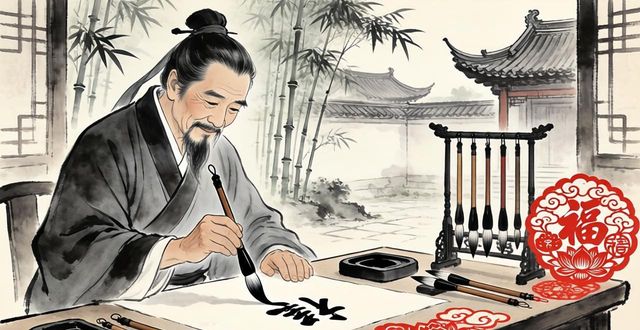
Chinese calligraphy and paper cutting are two brilliant gems of traditional Chinese culture, each with a history spanning thousands of years. While calligraphy is the art of writing characters with brush and ink, paper cutting transforms a simple sheet of paper into intricate designs using scissors or knives. At first glance, they seem different, but they share deep roots in Chinese aesthetics, philosophy, and daily life. Both require patience, precision, and a steady hand. Both are also UNESCO-recognized intangible cultural heritages. In this article, I will walk you through their connections, how beginners can start, and why these arts still matter today.
What is the connection between calligraphy and paper cutting
Surprisingly, calligraphy and paper cutting are closely linked through the concept of “negative space.” In calligraphy, the balance between inked strokes and blank areas creates rhythm and harmony. In paper cutting, you remove paper to leave a pattern, and the empty spaces are just as important as the solid parts. Both arts also follow similar design principles, such as symmetry, contrast, and flow. Many traditional paper cutting patterns use calligraphic script for the outlines of flowers or animals. Moreover, both demand the same mindset: focus, calmness, and respect for the material. A calligrapher controls the brush like a paper cutter controls the blade.

How to learn Chinese calligraphy for beginners
Starting Chinese calligraphy does not require expensive tools. You need a brush, ink, paper, and an ink stone, often called the “Four Treasures of the Study.” For beginners, I recommend using rice paper and a medium-sized brush. First, practice holding the brush vertically with a relaxed grip. Then learn basic strokes: horizontal, vertical, dot, sweeping left, and sweeping right. Repeat each stroke dozens of times on grid paper. Do not rush to write full characters. Focus on the pressure and angle of the brush. Watching online tutorials from masters like Wang Xizhi’s style helps a lot. Join a local calligraphy club if possible. With 15 minutes of daily practice, you will see improvement in two months.
What tools are needed for paper cutting
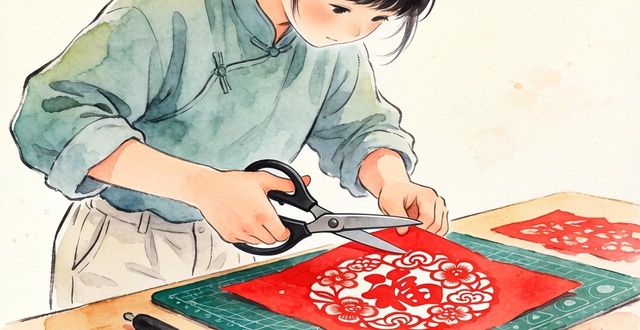
Paper cutting is surprisingly low-cost to begin. You need a sharp pair of scissors or a craft knife, a cutting mat, and thin but sturdy paper. Red paper is traditional because red symbolizes good luck and joy in Chinese culture. For beginners, choose paper that is not too soft, like ordinary colored copy paper. Scissors should have fine, pointed tips for detailed work. If using a knife, pick a scalpel-style blade with replaceable tips. Start with simple symmetrical designs: fold a square paper in half, draw half a butterfly or flower, then cut along the line. Always cut away from your body and keep the blade perpendicular to the paper. Many online templates are free to download.
Can I combine calligraphy and paper cutting in one artwork
Absolutely, and the result is stunning. Many contemporary artists create layered pieces where a calligraphy phrase is cut out of paper and mounted on a contrasting background. Another method: write a character on red paper with ink, then cut around the outline so the character becomes a hollow silhouette. You can also cut a paper border that mimics the flow of brushstrokes around a calligraphy centerpiece. This combination is especially popular for wedding invitations and festival decorations. For practice, try writing the character “福” (fortune) and then carefully cut out its shape. The interplay of black ink and the negative space from cutting brings both arts to life in a fresh way.
Why are these arts still relevant in modern life
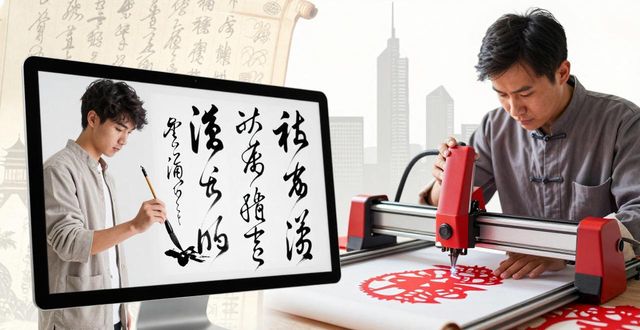
In a world of digital screens and instant messages, calligraphy and paper cutting remind us to slow down. They train focus, reduce stress, and improve hand-eye coordination. Many therapists now use calligraphy as a form of mindfulness practice. Paper cutting workshops are popular team-building activities because they require collaboration and patience. Schools in China teach both arts to help children appreciate their heritage. On a practical level, handmade paper cut decorations add a personal touch to any home,and a well-written calligraphy scroll makes a meaningful gift. Even in the age of AI, the human touch of a brush or a blade cannot be replaced.
Have you ever tried either Chinese calligraphy or paper cutting? Which one would you like to start with, and what is stopping you from picking up a brush or scissors today? Share your thoughts in the comments – and if you found this helpful, please give it a like and share it with a friend who loves art!