
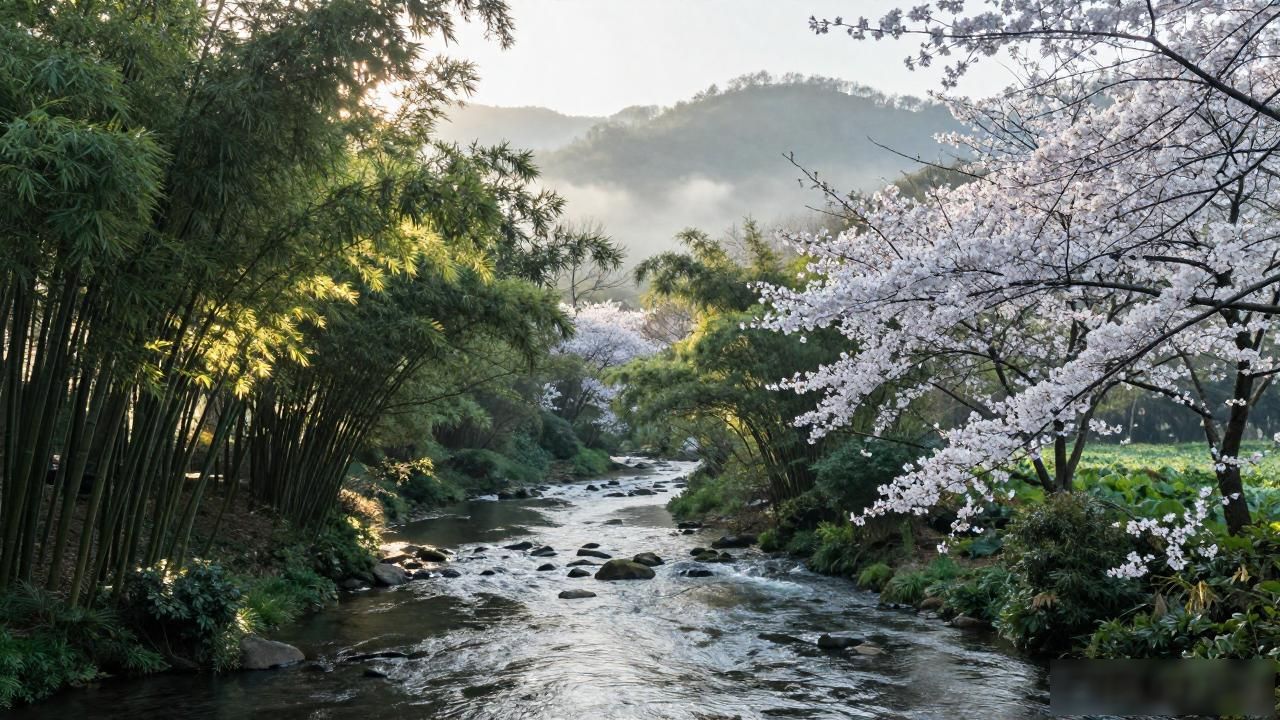
Hangzhou is often reduced to a single postcard image: the serene West Lake. While its beauty is undeniable, this reputation overshadows a city that pulses with industrial innovation, ancient tea culture, and architectural marvels. For the modern traveler seeking depth beyond the tourist traps,Hangzhou offers a sophisticated blend of history and futurism. This guide moves past the crowded boat rides to explore the distinct, authentic experiences that define the city’s true character.
What makes Hangzhou different from other Chinese cities?

Most international visitors flock to Beijing for history or Shanghai for skyscrapers. Hangzhou sits in a unique middle ground. It was once the capital of the Southern Song Dynasty, giving it a refined, scholarly air distinct from the imperial grandeur of the north. Today, it serves as the global headquarters of Alibaba, making it a tech hub that feels surprisingly green and livable. The city manages to balance high-speed digital life with slow-paced traditional aesthetics. You might see drone deliveries hovering above centuries-old tea plantations, a juxtaposition that defines the Hangzhou experience.
The local lifestyle revolves around “slow living.” Unlike the frantic energy of megacities here, people take time for afternoon tea. The culture emphasizes harmony between nature and urban development. This is evident in how the city preserves its wetlands and lakes while expanding its metro system. Visitors often find the pace refreshing. It allows for deep immersion rather than quick check-ins. The architecture reflects this too, featuring low-rise buildings that respect the skyline views of distant mountains.
Where can I find authentic local culture away from crowds?
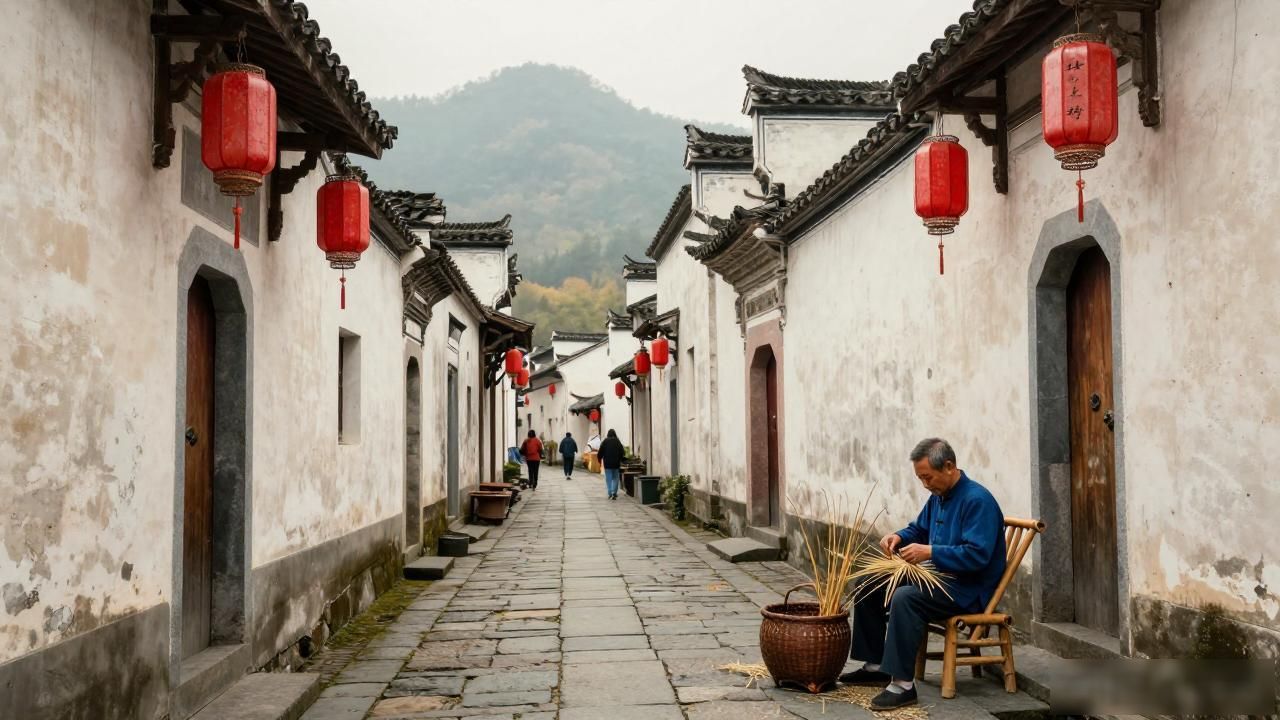
While West Lake is iconic, the real soul of Hangzhou lies in its villages and specialized districts. Longjing Tea Villages offer an immersive look into agriculture. Walking through the terraced fields provides insight into the famous Dragon Well tea production. Farmers are often welcoming, eager to share brewing techniques. This interaction connects travelers to the earth in a way museums cannot. It is a sensory experience involving smell, taste, and touch.
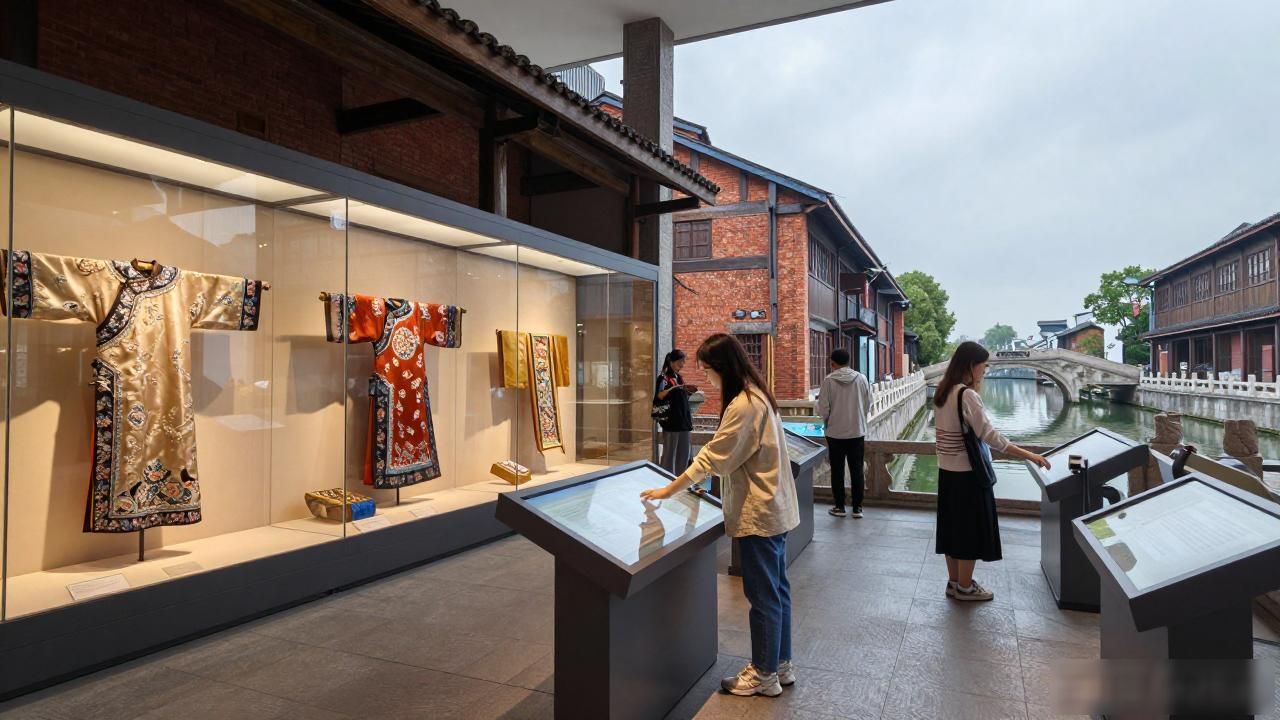
Another hidden gem is the China National Silk Museum. Located near the Grand Canal, it showcases the intricate history of silk weaving. The exhibits are modern and interactive, appealing to design enthusiasts. Afterward, a stroll along the canal reveals old bridges and restored warehouses. These areas host boutique cafes and art galleries. They represent a revitalized industrial heritage. The contrast between the old stone bridges and new creative spaces creates a vibrant atmosphere.
For those interested in digital art, the Dream Art Fair or local galleries in the Binjiang district showcase cutting-edge installations. Hangzhou is becoming a center for digital creativity. The city hosts numerous tech-art festivals that attract global talent. This side of Hangzhou is less known but rapidly growing. It offers a glimpse into the future of cultural expression. Combining these varied elements—tea, silk, tech, and water—creates a multifaceted destination. Travelers who venture beyond the main lake discover a city of surprising depth and enduring charm.