
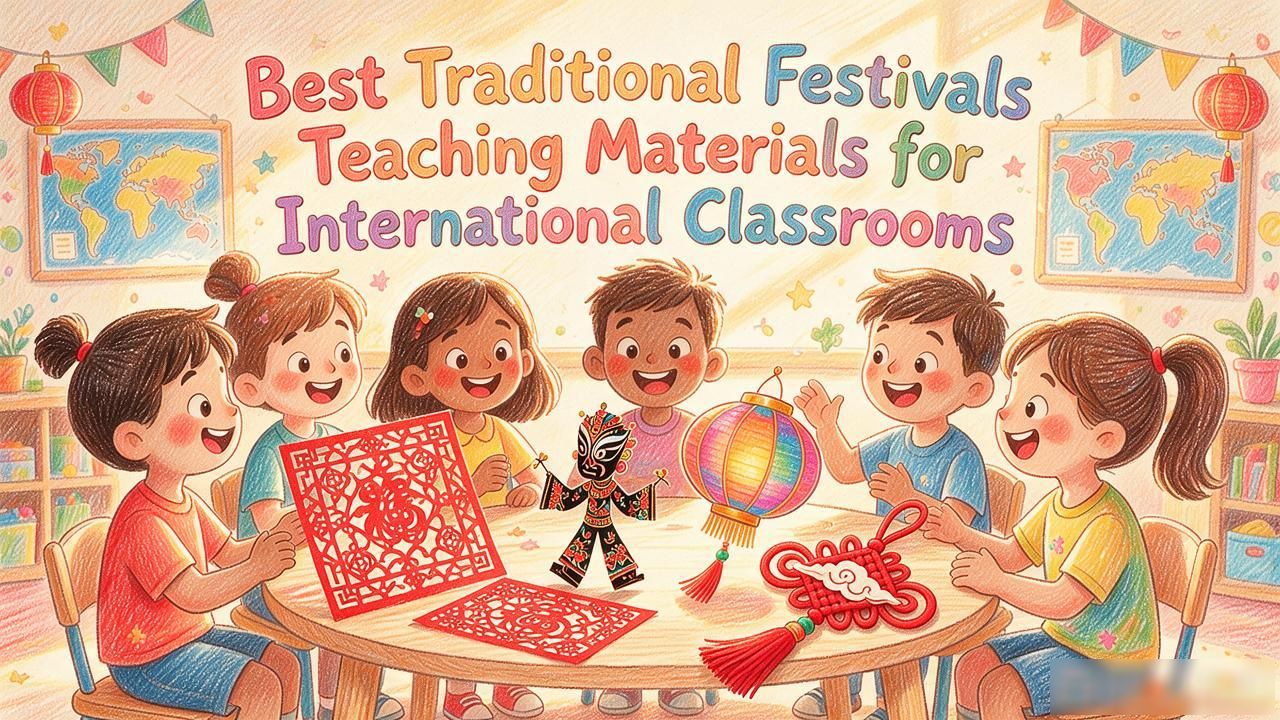
How Do You Pick the Right Festival Activities?
Finding quality materials for teaching about traditional festivals goes beyond a simple Google search. Many educators struggle with resources that feel too generic, lacking the depth needed for meaningful student engagement.
The challenge lies in locating materials that balance authenticity with age-appropriateness—something that works across diverse classrooms where students bring different cultural backgrounds to the table. Effective resources should spark genuine curiosity rather than presenting festivals as static facts to memorize.
When searching for traditional festivals educational resources,look for platforms that offer downloadable lesson plans, interactive activities, and culturally accurate representations. The best materials connect students to the lived experiences behind celebrations like Diwali, Lunar New Year, or Carnival, helping them understand why these traditions matter to communities around the world.

Authentic storytelling matters more than craft quality when trying to build cultural understanding in young learners.
Where Can You Find Free Festival Lesson Plans?
Several websites have emerged as reliable hubs for free, high-quality festival teaching materials. Teachers Pay Teachers hosts thousands of educator-created resources, many focused on cultural celebrations. While some require purchase, free samples often provide solid starting points for lesson planning.
Pinterest serves as an unexpected goldmine for visual festival resources. Search terms like “Diwali classroom activities” or “Lunar New Year craft ideas” surface countless pinned lessons from teachers worldwide. The key is filtering for recent pins with clear instructions and adaptable components.
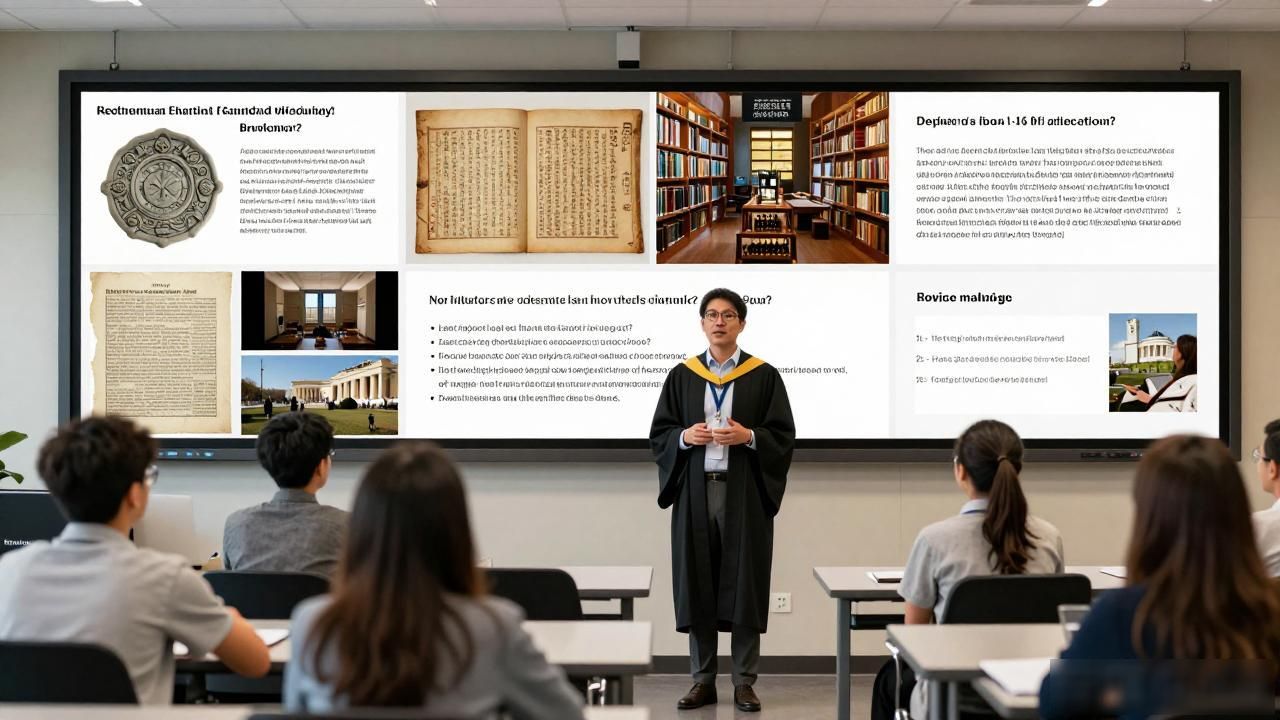
Cultural institutions increasingly digitize their educational content. The Smithsonian, British Museum, and various national libraries offer festival-themed units complete with primary sources, multimedia clips, and discussion questions—materials that bring academic rigor to otherwise simple craft activities.
For younger students, platforms like PBS Kids and Sesame Street release seasonal content aligned with major festivals. These resources embed learning objectives within entertainment, making them ideal for introducing complex cultural concepts to elementary classrooms. The trick is pairing them with follow-up discussions that help students make personal connections to what they’ve watched.
Always cross-check multiple sources when using free materials to ensure cultural accuracy and avoid stereotypes.
How Do You Make Festival Lessons Relevant Today?
Modern classrooms demand more than paper plates and origami cranes. Students connect with traditions when they see how festivals reflect universal human experiences—family, gratitude, renewal, community. A well-designed lesson might compare how different cultures celebrate harvest, or examine how migration shapes festival practices in diaspora communities.
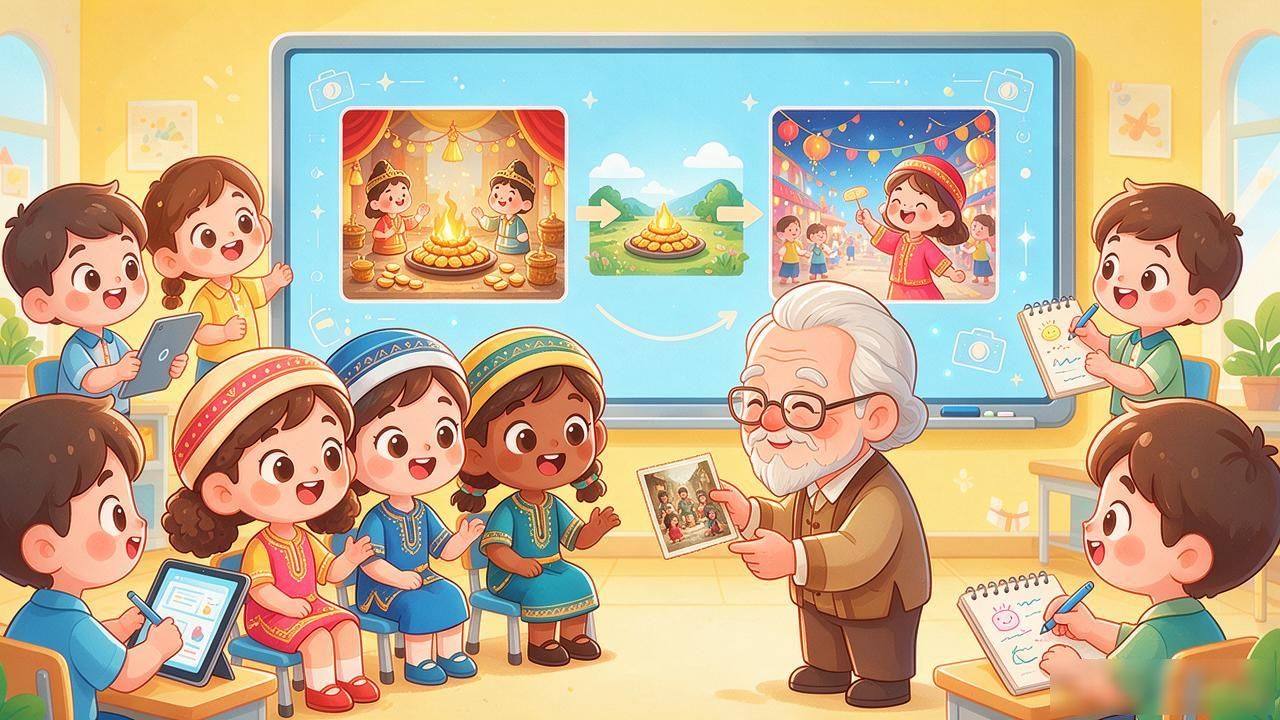
Project-based approaches work especially well. Let students interview family members about holiday traditions, then present findings through multimedia presentations. This transforms passive consumption into active cultural documentation. Learners discover that festivals evolve over time, carrying both ancient customs and contemporary meanings.
Technology opens additional doors. Virtual museum tours let students explore festival artifacts from across the globe without leaving their seats. Augmented reality apps can reconstruct historical celebrations or animate mythological stories behind festivals. These tools bridge distance and time, making distant traditions feel immediate and tangible.
Assessment becomes more meaningful too. Instead of quizzes on dates and facts, ask students to design their own multicultural celebration or write reflective pieces connecting festival values to their own lives. Learning sticks when students see themselves reflected in the curriculum.
Building a sustainable collection takes time. Start with three festivals you feel confident teaching, gather diverse resources, and refine based on student responses. Expand gradually as your comfort grows. Over years, this accumulates into a rich repository that serves not only your own classes but potentially colleagues seeking culturally responsive teaching materials.