
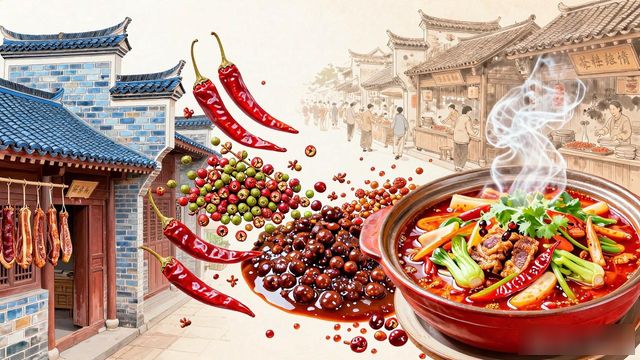
China is a country of bold and unforgettable flavors, and spicy food is one of its most iconic culinary experiences. From the fiery heat of Sichuan peppercorns to the numbing thrill of Hunan chilies, spicy food in China is not just about heat—it’s about depth, aroma,and a rich cultural tradition. Whether you’re a traveler or a food lover, exploring China’s spicy cuisine is a journey into the heart of its regional cooking.
What Makes Chinese Spicy Food So Unique

Chinese spicy food is defined by its balance of heat and flavor, not just raw spiciness. The most famous style comes from Sichuan province, where the combination of dried chilies and Sichuan peppercorns creates the legendary “mala” sensation—numbing and spicy at the same time. This is not like the simple heat of a jalapeño; it’s a complex dance on your tongue.
Hunan cuisine, on the other hand, relies on fresh green chilies and smoked flavors, offering a more direct and intense heat. Yunnan and Guizhou provinces also contribute unique touches, like pickled chilies and fermented bean pastes. Each region’s spicy dishes tell a story of local climate, ingredients, and history. For example, the humid weather in Sichuan made people crave spicy food to cool down and preserve food, while in Hunan, chilies were used to add life to humble ingredients.
Which Spicy Dishes You Absolutely Need to Try
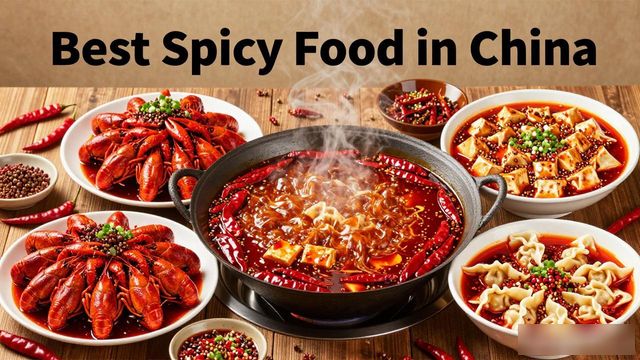
If you’re new to Chinese spicy food, start with the classics. Mapo Tofu is a Sichuan staple that’s soft, silky, and packed with ground pork and chili bean paste. It’s a perfect introduction because the heat is balanced by the tofu’s creaminess. Another must-try is Chongqing Hot Pot, where you cook raw meat and vegetables in a bubbling, oil-rich broth loaded with dried chilies and numbing peppercorns. It’s an interactive and social meal that’s all about the heat.
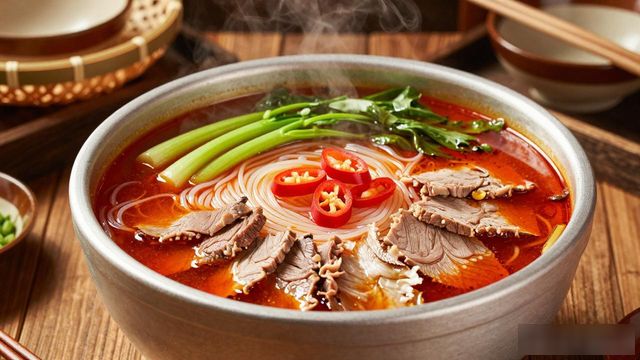
For something different, try Hunan’s “Chairman Mao’s Braised Pork” (Mao’s Red Braised Pork), a rich and savory dish that uses chilies to cut through the fatty pork belly. Or sample Yunnan’s “Crossing the Bridge Noodles,” which features a spicy broth made with chilies and herbs. These dishes are widely available in Chinese restaurants abroad, but the true experience is found on the streets of China, where street vendors serve skewers of spicy lamb, chicken feet, and fried tofu that will test your tolerance.
Don’t be afraid to ask for a milder version if you’re sensitive to spice, but remember—the joy of Chinese spicy food is in the adventure. It’s a cuisine that rewards curiosity and patience, and every bite brings you closer to the soul of Chinese cooking.