
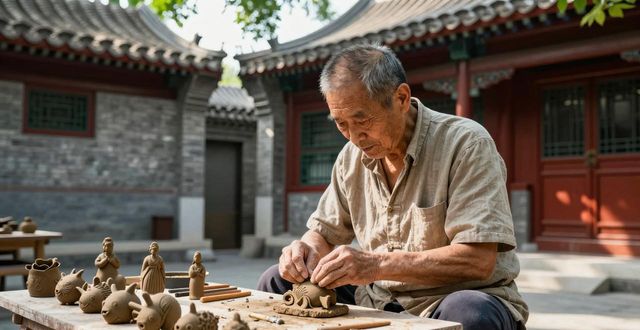
Walking through the narrow alleyways of Beijing’s Hutongs, you will find a living museum of traditional Chinese craftsmanship. Hutong handicrafts are not just souvenirs; they are windows into centuries of local culture, passed down through generations of skilled artisans. These handmade items carry the soul of old Beijing, blending practicality with deep artistic meaning.
What makes Hutong handicrafts special compared to modern souvenirs

The true charm of Hutong handicrafts lies in their authenticity and human touch. Unlike factory-made products you find in tourist shops, these items are often made right in the small courtyard workshops where artisans have worked for decades. You can watch a clay figurine take shape under the master’s hands or see a paper-cutting artist turn a simple sheet of red paper into a delicate dragon or peony. Each piece tells a story of patience, skill, and cultural heritage. The materials used are traditional—clay, silk, bamboo, and wood—and the techniques have remained unchanged for hundreds of years. When you buy a Hutong handicraft, you are not just purchasing an object; you are taking home a piece of living history and supporting local families who keep these traditions alive.
Which Hutong handicrafts are the best to buy for foreigners
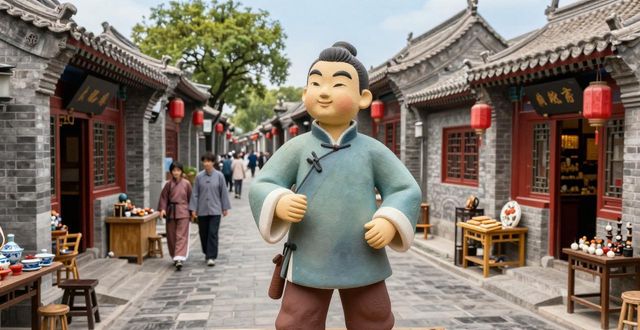
If you are looking for something easy to carry and deeply symbolic, start with Beijing clay figurines or “Tu Su Ren.” These small painted figures depict scenes from old Beijing life, like street vendors,opera performers, or children playing. They are light, compact, and instantly recognizable. Another excellent choice is paper-cutting or “Jianzhi,” which features intricate designs of animals, flowers, and Chinese characters. Paper-cuts are flat and easy to pack, making them perfect gifts. For something more functional, consider silk embroidery bookmarks or small pouches. These items show off exquisite needlework and are practical for daily use. If you have more luggage space, a hand-painted snuff bottle or a small lacquerware box makes a stunning centerpiece for your home. All these items are widely available in Hutong markets like those near Nanluoguxiang or Shichahai, and bargaining is part of the fun.
Where can you find authentic Hutong handicraft workshops in Beijing
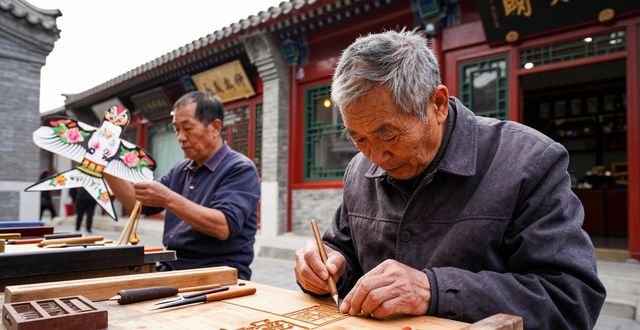
The best places to find real craftsmanship are the lesser-known Hutongs away from the main tourist crowds. Head to Dashilanr area, where older shops have been operating for generations. Here, you might find a master engraver working on wooden seals or a craftsman making traditional kites by hand. Another hidden gem is the Liulichang Cultural Street, famous for antique calligraphy tools and handmade paper. For a more immersive experience, visit a Hutong cultural center like the one in Fangzhuan Hutong, where you can watch demonstrations and even try making a simple craft yourself. Avoid buying from street stalls near major attractions, as those often sell mass-produced imitations. Instead, look for shops with visible workshops inside—if you see an artisan at work, the quality is usually genuine.
Hutong handicrafts offer a meaningful way to connect with Beijing’s rich cultural past while supporting local artisans. Whether you choose a tiny clay figure or a beautifully embroidered pouch, each item carries the warmth and skill of its maker, making it a souvenir you will treasure long after your trip ends.