
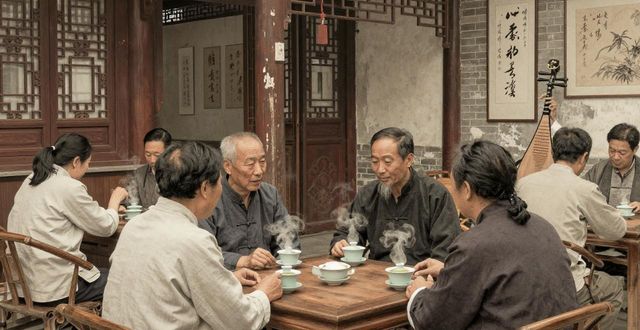
Old town tea houses in China are more than just places to drink tea—they are living museums of culture, history, and daily life. Tucked away in ancient alleyways and beside tranquil canals, these establishments offer a rare glimpse into a slower,more reflective way of living that has survived for centuries. From the bustling lanes of Lijiang to the water towns near Shanghai, each tea house tells its own story through creaking wooden floors, lingering incense, and the soft clink of porcelain cups. In this guide, I’ll share why these hidden gems matter, what to order, how to find authentic spots, and what to expect when you step inside.
Why old town tea houses are timeless treasures
Stepping into an old town tea house feels like traveling back in time. Many of these buildings date back to the Ming or Qing dynasties, with dark wooden beams, paper lanterns, and calligraphy scrolls adorning the walls. Originally, they served as rest stops for traveling merchants and locals seeking news or companionship. Today, they preserve that same welcoming spirit, offering a quiet escape from the modern world. In places like Fenghuang Ancient Town or Zhouzhuang, you can sit by a river and watch boats drift by while sipping tea that has been prepared using methods passed down through generations.

The atmosphere inside is deliberately unhurried. Unlike a coffee shop where people rush through laptops, a traditional tea house encourages conversation, contemplation, or simply watching the steam rise from your cup. You might hear the soft pluck of a pipa or the rhythmic roll of dice from a mahjong table in the corner. These sensory details—the smell of aged wood, the murmur of local dialects, the warmth of a clay teapot—create an experience that no glossy travel brochure can fully capture. For many travelers, an afternoon spent in such a place becomes the most memorable part of their journey.
What tea to order at a Chinese old town teahouse
Choosing the right tea can transform your visit. Most old town tea houses specialize in regional varieties, so it pays to know what grows nearby. In the ancient streets of Dali, look for Yunnan black tea (dian hong) or pu’er, which is often pressed into decorative cakes and aged for years. Near Suzhou and Hangzhou, longjing (Dragon Well) green tea is the star—its flat, jade-colored leaves produce a clean, nutty flavor that pairs perfectly with the area’s gentle scenery. If you prefer something floral, jasmine tea is a common and soothing choice, especially in southern old towns like Huangyao.
Don’t be shy about asking the teahouse owner for recommendations. A genuine establishment will let you smell the dry leaves and watch the brewing process. Many places offer a tea menu with short descriptions, but pointing to what locals are drinking is often the best strategy. Along with your tea, you’ll usually be served a small plate of sunflower seeds, dried fruits, or a traditional pastry like osmanthus cake. Remember that refills are expected—the first few steeps reveal different layers of flavor. Take your time, and don’t gulp; good tea is meant to be savored in small sips.
How to spot an authentic old town tea house
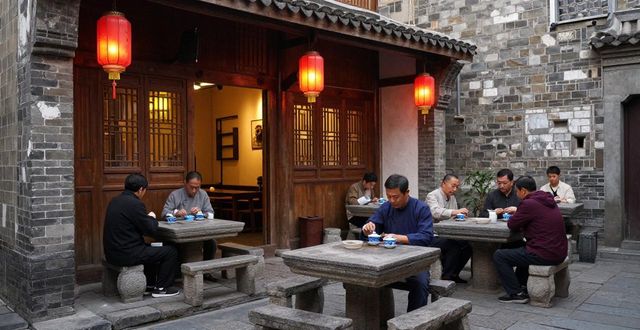
With tourism booming, some tea houses have become overpriced traps for the unwary. To find a genuine experience, first look for a place that doesn’t aggressively pull you in. Authentic tea houses rarely have a tout standing outside shouting about discounts. Instead, they might have a simple wooden sign, an open doorway revealing a courtyard, and the sound of quiet conversation. Check if the clientele includes older local residents—if grandpas are playing chess or reading newspapers inside, you’ve likely found a good spot.
Another clue is the tea ware. Real old town tea houses use proper clay or porcelain pots, not disposable cups. The owner or server should know how to perform a basic tea ceremony, including rinsing the leaves and pouring from a certain height. Also, ask to see their tea storage. A respectable house will keep its leaves in sealed tins or ceramic jars, not plastic bags. Finally, compare prices. If a single pot costs more than a full meal in the same town, walk away. A fair price for a pot of decent tea in a non-touristy old town is usually between 30 and 80 RMB (about $4–11). Trust your instincts and don’t settle for the first option you see.
What to expect during your visit
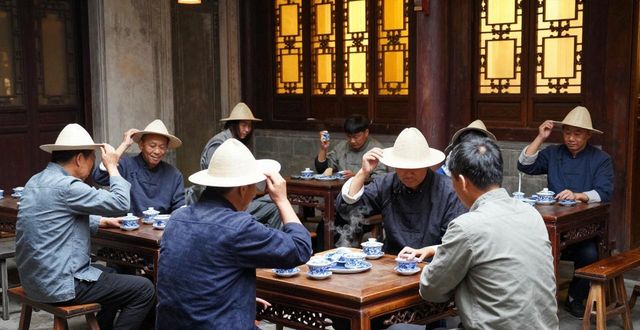
Entering an old town tea house is a ritual in itself. Remove your hat if you’re wearing one, and nod to the owner or other patrons as a sign of respect. You’ll likely be seated on wooden benches or bamboo stools around low tables. In some places, you may be offered a private room with a window overlooking the street. Ordering is straightforward: you choose a tea type, and the staff brings a full set—kettle, teapot, cups, and a bowl for discarded water. The first steep is usually poured out to clean the leaves and warm the cups; the second steep is for drinking.
Be prepared for a slower pace. It’s perfectly normal to stay for two or three hours, refilling your pot with hot water from a large thermos. During your stay, you might be entertained by a local performer singing traditional opera or telling stories. Don’t feel pressured to talk constantly; many people come alone to read or simply daydream. When you’re ready to leave, settle your bill at the counter—tipping is not expected. Some tea houses also sell their tea leaves by weight, so if you enjoyed a particular blend, you can take a bag home. Just remember to store it in a cool, dry place.
Have you ever found yourself lingering in a creaky, incense-scented tea house in a Chinese old town, listening to rain on the roof tiles? Share your favorite memory or ask your questions in the comments below. If this guide helped you plan your next trip, please give it a like and share it with fellow travelers. Your support keeps these stories alive.