Beijing’s hutongs are more than narrow alleys behind the tourist crowds. They hold the real taste of this city, and at the heart of that taste sit the local snacks—cheap, unpretentious, and made the same way for decades. Walk past the crowded food courts, push into the old lanes, and you’ll find vendors selling things no guidebook bothers to cover. The food is unglamorous on camera, but that’s exactly why it survives.
What are hutong local snacks

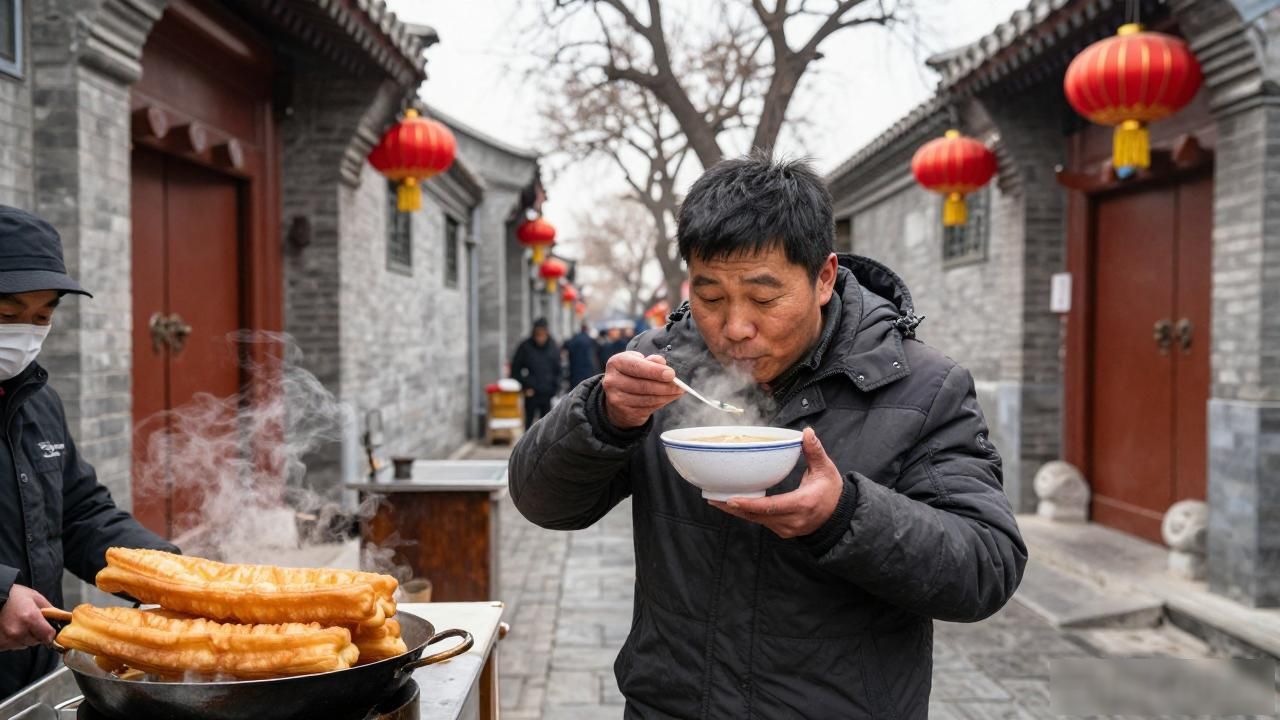
The phrase covers small bites you’d expect from a street stall, not a restaurant. Jibìgǔ (mashed chickpea with mung bean paste) from carts near Di’anmen is the most classic one—thick, slightly sweet, eaten standing up on a cold morning. Hand-pulled fried dough sticks crack and puff when you tear one open at six a.m. These are made in batches by people who’ve done it since their parents’ generation, sometimes longer. The flavor is starchy, simple, sometimes with a drizzle of scallion oil. That simplicity is the whole point.
The best time to find them is early morning, around six to eight, when regulars in padded jackets line up with thermoses, chatting about nothing in particular. No menu. You point, you pay,you walk away eating. The vendor will nod, maybe add a pinch of something you didn’t ask for.
Where to find hutong local snacks
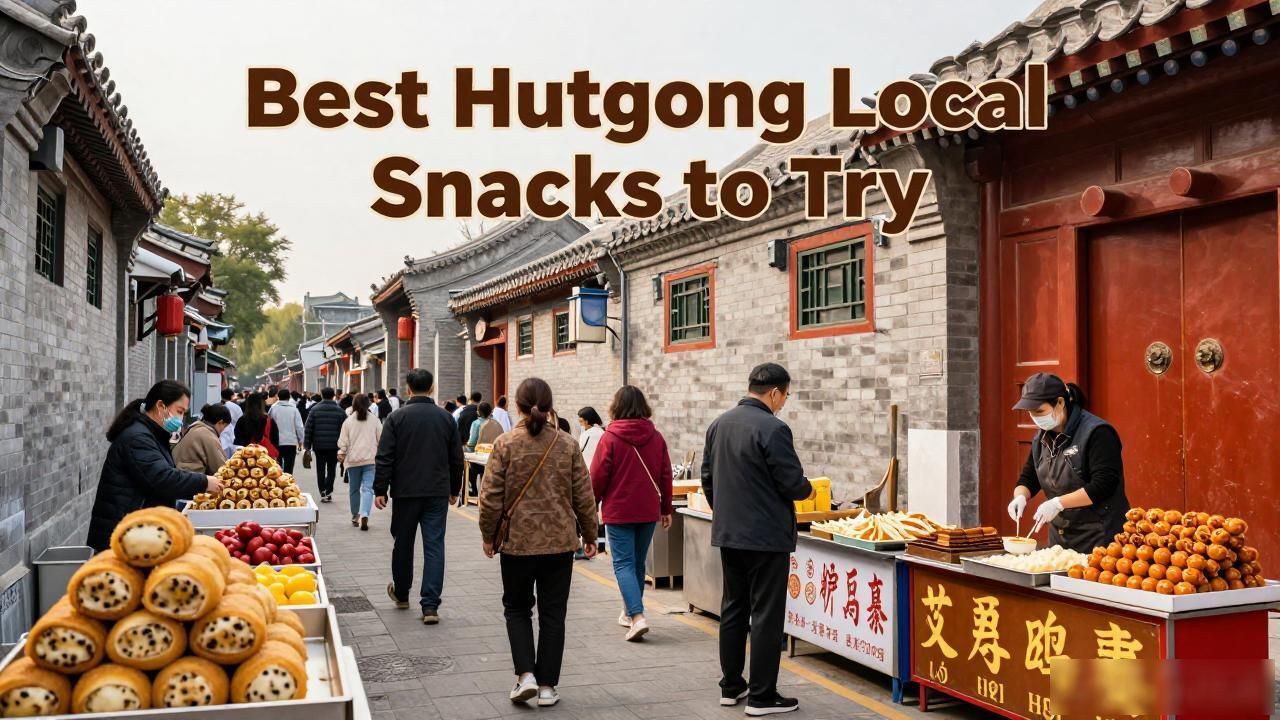
Older hutongs near the Drum Tower and Fuxingmen still have small snack stalls tucked between laundromats and bike shops. Gàndàojiǔ (cold noodle soup) and boiled dumplings from tiny two-person kitchens are the kind of spot you’d never find from a hotel lobby. The alley near Chánpumen market used to have a famous bìngbǐng (scallion pancake) cart, though vendors shift spots every few seasons, so ask around before you head out.
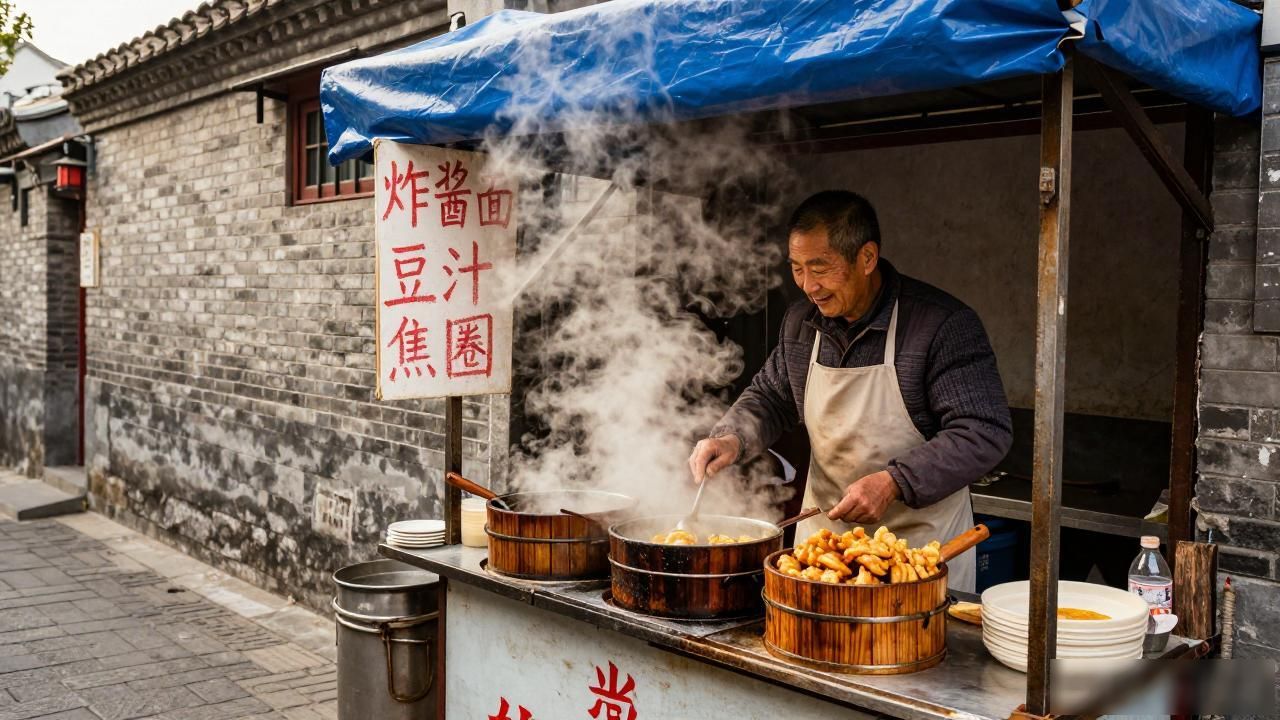
Ask anyone over sixty, or just follow the steam rising from a blue tarp. The signage will be hand-painted in red marker, and that’s your best tell that you’ve found the real thing. No English menu, no laminated pictures. Just the smell of sesame oil and wood smoke pulling you in.
These snacks cost two to eight yuan, give or take. They won’t wow a food critic or fill a social media feed, but they’ll make you understand something easy to miss from a hotel window: the alley is where the city actually lives.