
If you’re packing your camera bag for a trip through China, you’re probably staring at a wall of tutorials and feeling more confused than before. I’ve hiked rice terraces in Yunnan and wandered neon backstreets in Chongqing with a camera around my neck for over a decade, and a few hard-won lessons saved me hundreds of wasted frames. Here’s what actually moves the needle on the ground.
Photography tips for China streets

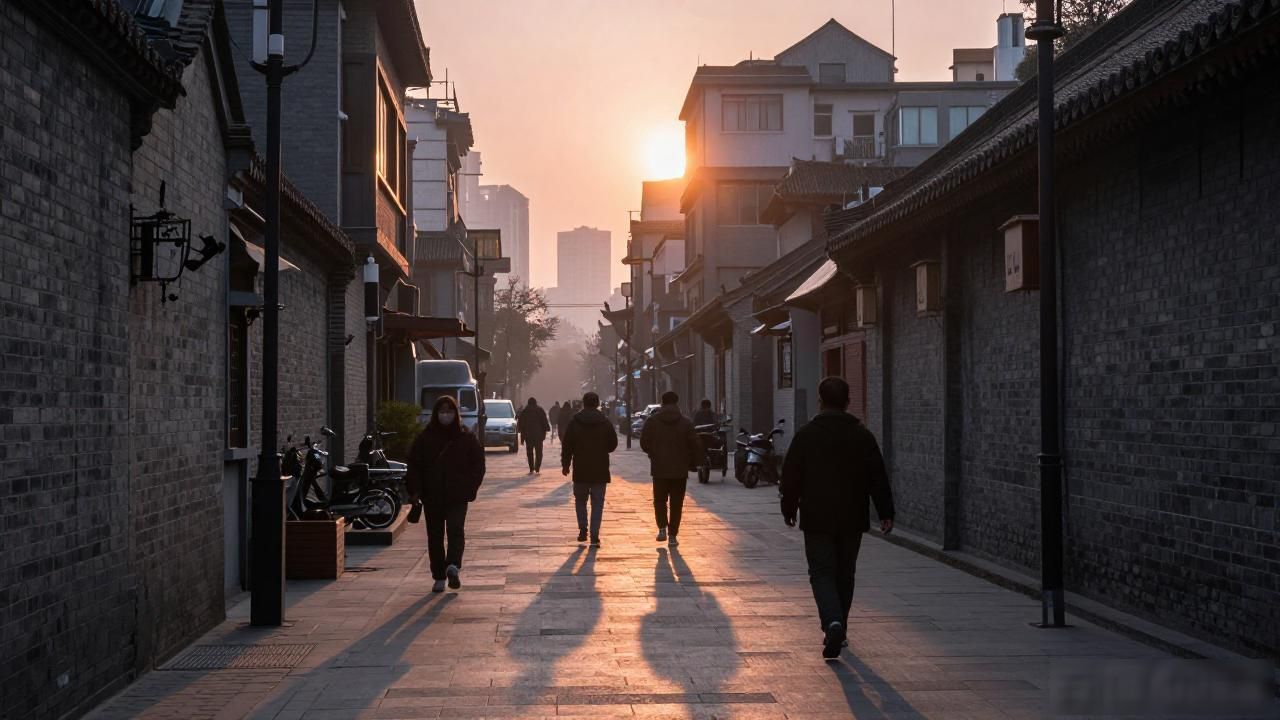
The biggest mistake I see first-timers make is waiting for perfect conditions. Chinese cities—Shanghai, Chengdu,Xi’an—generate their best light between 6:30 and 8 AM, when the sun stretches long shadows across pedestrian alleys. Set your white balance to 5500K or higher so the warm haze doesn’t make everything look muddy. Walk slowly. Let steam curl off a baozi stall, let an old man shuffle his fan across a card game. The street gives you one genuine frame every thirty seconds if you’re actually paying attention.
Phone cameras here are a double-edged sword. People are used to being filmed, so a small phone tucked against your chest gets far less resistance than a big DSLR with a 70mm lens. I keep my phone in hand while scouting and switch to the camera when I find a composition worth nailing. Bring a small clamp-on tripod because Chinese streets are packed and you rarely get a stable flat surface for a long exposure.
Best lens for China travel shots
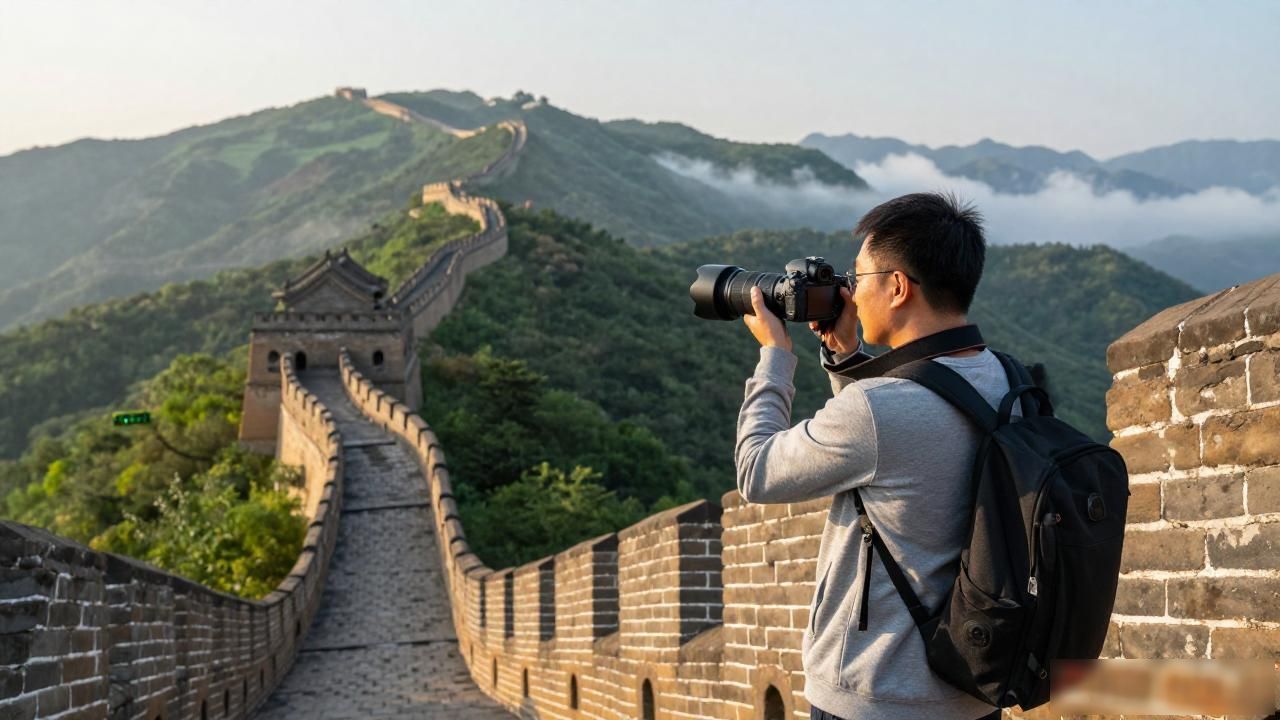
If I’m flying with just one lens, it’s a 24-70mm f/2.8. The 24mm swallows an entire hutong lane or a stretch of the Great Wall at dawn; the 70mm compresses a crowd into layered planes so you can isolate one face. In rural Guizhou or Sichuan’s bamboo forests, 35mm on that zoom feels like 50mm—tight enough to crop out the trash, wide enough to keep the environment. A fast aperture matters more than reach here because you’re shooting in dappled forest shade or dim temple interiors where light is flat and grey.
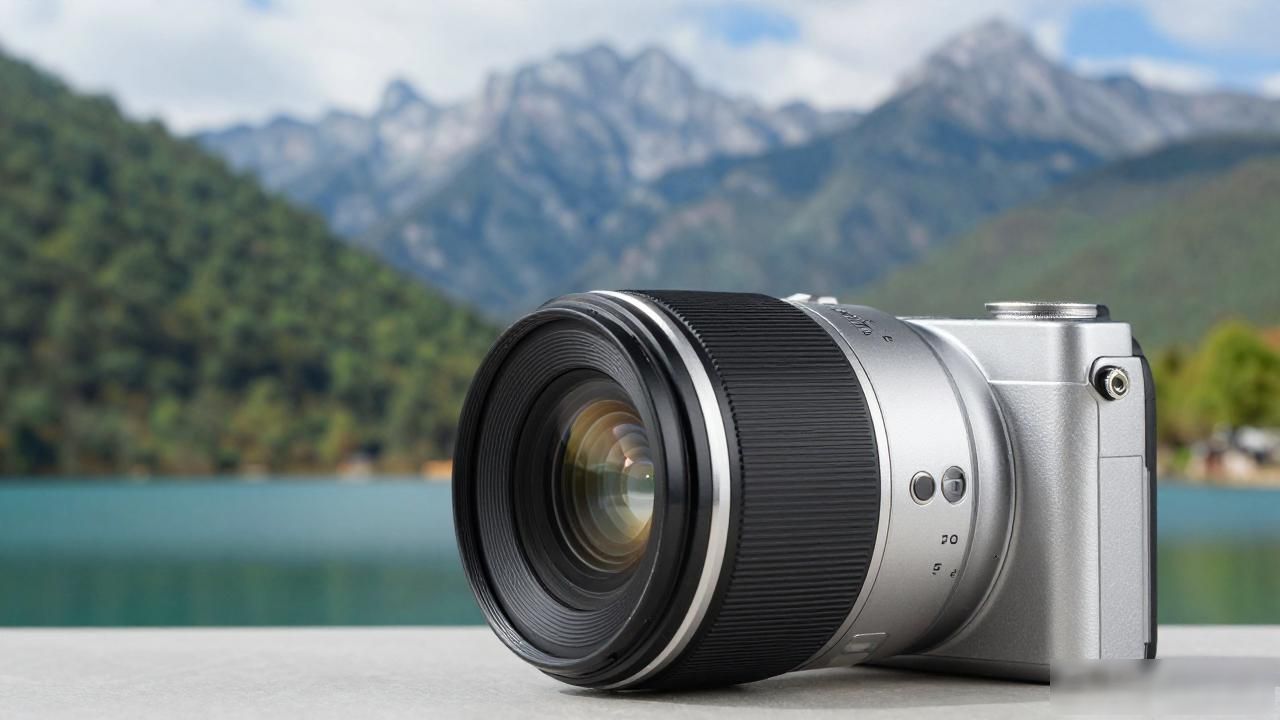
For the impatient, a 35mm f/1.4 or 50mm f/1.8 prime cuts your bag weight in half and forces you to think before you click. I shot an entire Yunnan trip on a single 50mm and came home with forty keepers instead of two thousand. Fewer, better. The lens is cheaper, files are smaller, and you stop waiting for a focal length that never arrives.
Pack the lens you’ll actually use, not the one you keep dreaming about. China rewards the photographer who shows up early, walks slowly, and respects the mess.