
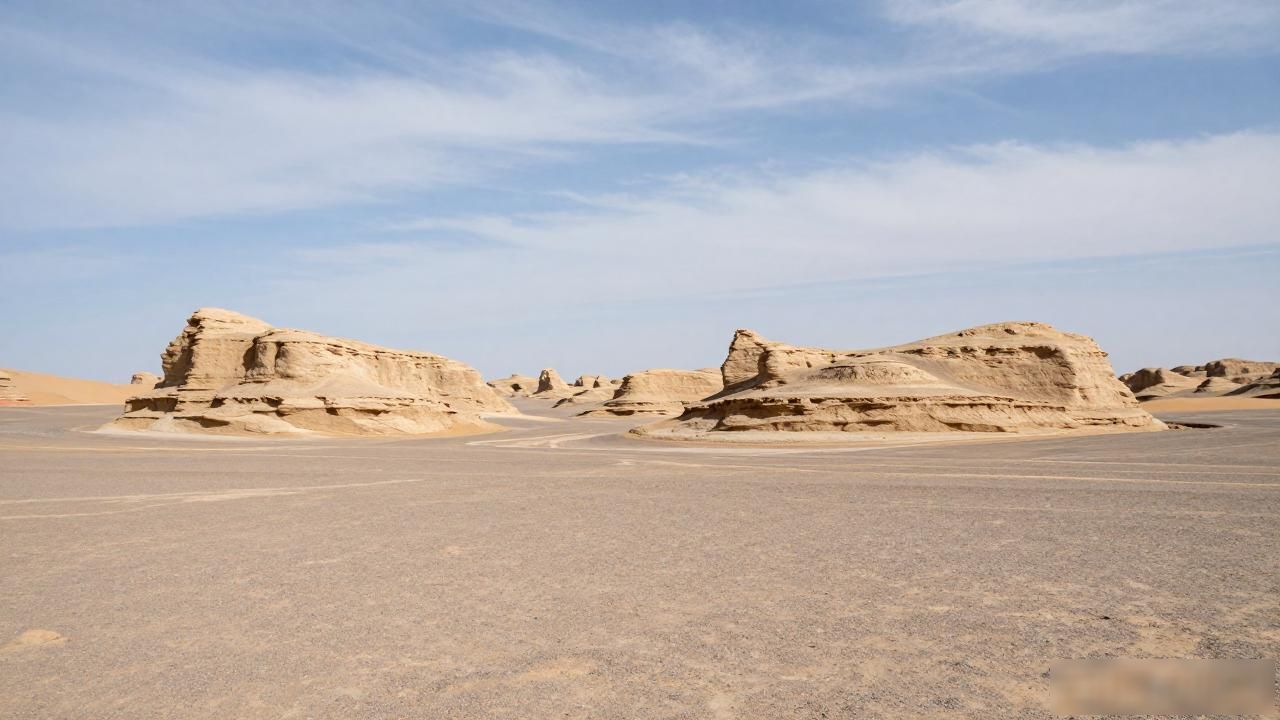
There are roughly three hundred and twelve of us in a single frame at Zhangjiajie. That’s what China’s photography spots look like on a Saturday in October. The internet is flooded with tips, but most of them point you to the same five locations. The country stretches wide enough to hide quiet corners where your tripod won’t get elbow-checked by a tour group, and where the light still belongs to you alone.

Which photography spots China less crowded
Drop your search on Lijiang. Head instead to the western villages of Dali, or better yet, the Tianshan grassland routes in Xinjiang during May when snow still clings to the peaks but the tourist buses haven’t rolled in yet. I shot a six-day sequence near Kanas Lake in late September—the water turned that impossible amber while crowd numbers sat at maybe forty people for the entire shoreline. The low golden light stretching across the taiga there is something no postcard does justice. You can set up your long exposure for twenty minutes and actually hear the wind instead of a tour guide’s microphone feedback. These are the spots where composition still matters because the frame isn’t pre-filled with strangers waving at the camera.
When to shoot photography spots China less crowded
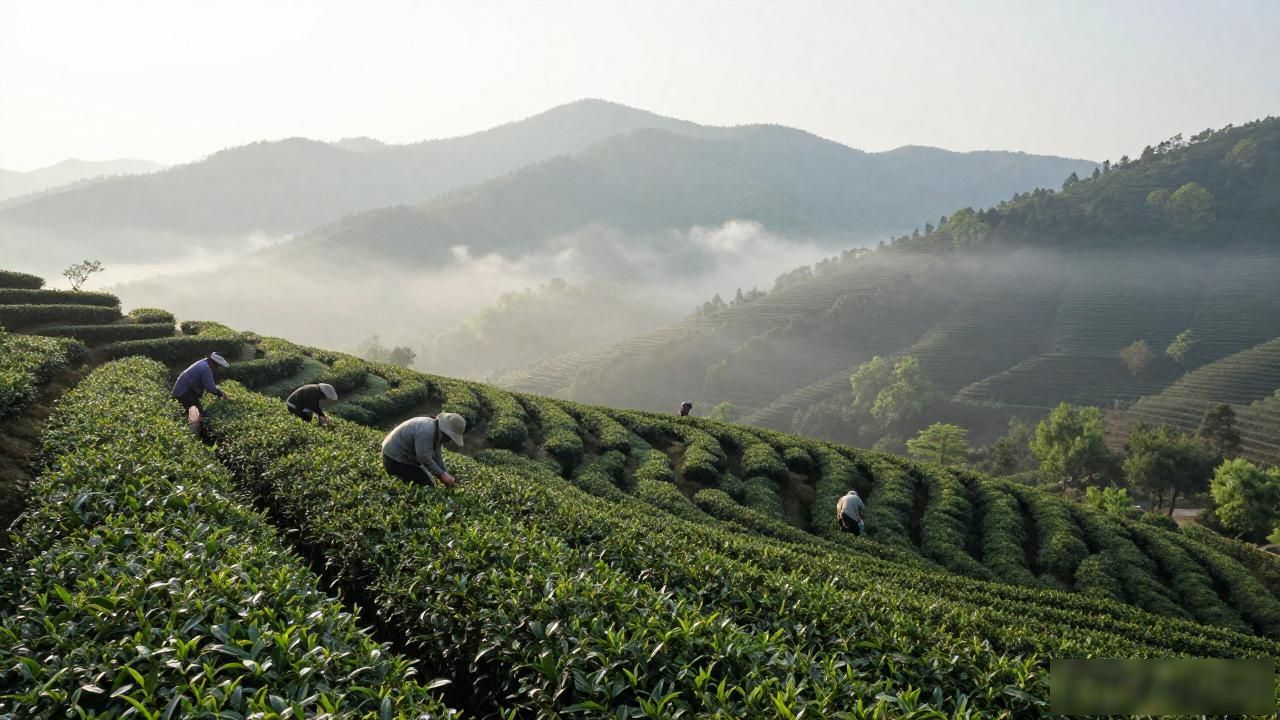
The secret isn’t just geography. It’s the quiet Tuesday morning in a Shandong coastal village where fishermen still haul nets by hand and the only other lens in sight belongs to a local documenting their own catch. Skip the holiday calendar entirely. China’s Golden Week, National Day, and Lunar New Year swell every single location into a solid wall of phone screens and selfie sticks. A weekday in shoulder season—late March, mid-October—turns even Huangshan’s sea of clouds into something you can frame without a hundred heads blocking your horizon. Bring a local SIM and ask the village shopkeeper where the good light hits at 5:47 in the afternoon. They’ll point you to a ridge no app has ever tagged, and you’ll have the entire valley to yourself.
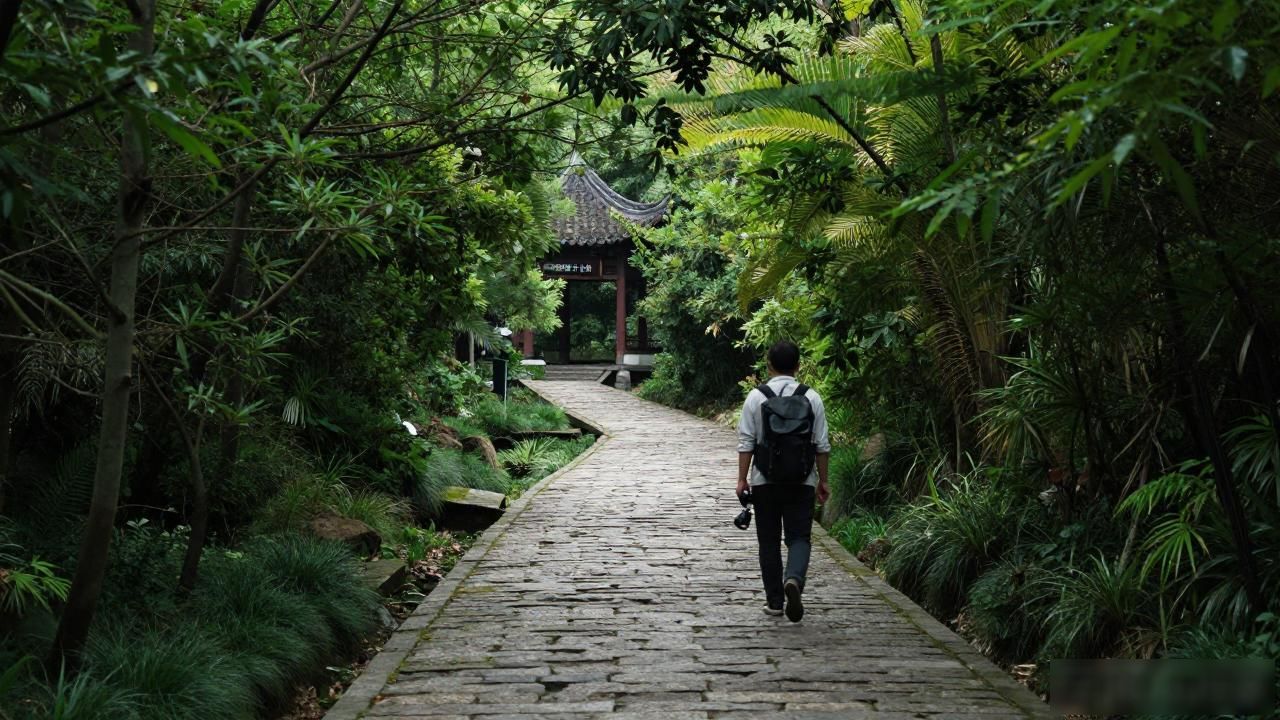
You don’t need a permit or a tour guide for most of these places. You need patience, a local SIM card, and the willingness to walk twenty minutes past the last paid parking lot. That’s where the photo actually lives.