
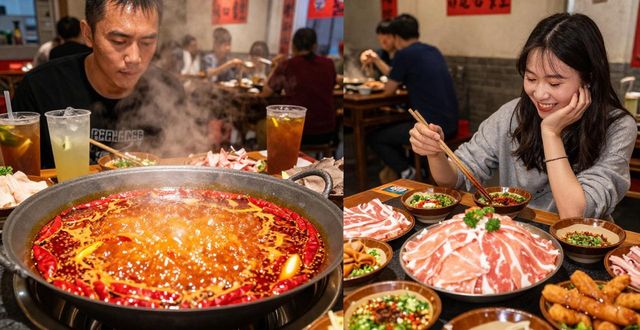
If you ask food lovers where to find the best hot pot in China, two cities always top the list: Chengdu and Chongqing. As neighboring megacities in Sichuan province, both serve mouth‑numbing, spice‑packed broths that have won fans worldwide. Yet locals will tell you they are not the same. This guide breaks down the real differences, shows you how to spot the most authentic spots, and shares insider tips so you can enjoy hot pot like a true local.
What is the difference between Chengdu and Chongqing hot pot
The most obvious contrast lies in the oil. Chongqing hot pot uses pure beef tallow as its base, which gives the broth a thick, heavy, and intensely rich flavor. The tallow coats your tongue and carries the heat from chilies and Sichuan pepper straight to your senses. In Chengdu, you will find a lighter blend of vegetable oil and beef tallow, often with more herbs and spices added. This creates a more layered, slightly milder broth that some say lets the ingredients shine better.

Another key difference is the spice level. Chongqing hot pot is famously aggressive — even the “medium” can make newcomers sweat. Locals believe the heavy oil and high heat are essential to balance the boldness of offal and other strong‑tasting ingredients. Chengdu hot pot, while still very spicy, usually offers a smoother heat that builds slowly. Many Chengdu restaurants also provide a “mandarin duck” pot split into spicy and clear broths,a rare sight in traditional Chongqing hot pot joints.
How to find authentic hot pot in Chengdu and Chongqing
Skip the chains and tourist‑friendly places with English menus. In Chongqing, look for small, crowded shops filled with the smell of simmering tallow. The best ones often have simple signs, plastic stools, and a line of locals waiting outside. A good trick: peek at the tables. If you see mostly locals tearing napkins and dipping tripe with focused intensity, you are in the right place. Also check the oil — authentic Chongqing hot pot uses a solid disk of beef tallow that melts slowly as the pot heats.
In Chengdu, authenticity means variety. Walk into any alley after 6 p.m. and follow the chatter and clinking of chopsticks. Family‑run spots with handwritten menus and a dozen different oil pots on the stove are your target. Ask for “yuanwei hongtang” (original spicy broth) and see how the staff react — if they seem surprised you want the real deal, you have found a tourist trap. Also, genuine Chengdu hot pot restaurants often serve free pickled vegetables and bean sprouts while you wait, a local custom you won’t see in fake places.
What to order and how to choose spice level
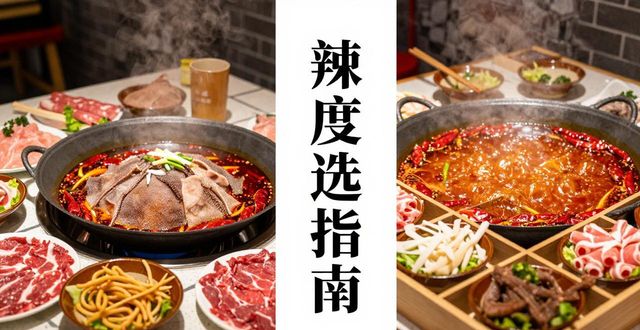
Start with the essentials: beef tripe (maodu), sliced beef tongue, lotus root, and potato slices. In Chongqing, must‑orders include pork aorta, duck blood, and beef tendons — ingredients that need the heavy tallow to bring out their best texture. In Chengdu, add fish fillets, tofu skin, and enoki mushrooms, which absorb the aromatic broth beautifully. Always order a plate of crispy fried soybeans to snack on before the pot arrives, and finish with some udon noodles or rice cakes to soak up the remaining soup.
Choosing the spice level is critical. If you are a beginner, never go straight for “authentic” (te la). Start with “mild” (wei la) or “medium” (zhong la) at a reputable place. Many restaurants outside China tone down the heat, but in Chengdu and Chongqing, even “mild” can be shocking. Ask the waiter: “Wei la, xiexie” and watch their face. If they smirk, you might still be in for a sweaty meal. Remember, you can always add more chili oil at the table, but you cannot take it out.
Tips for eating hot pot like a local
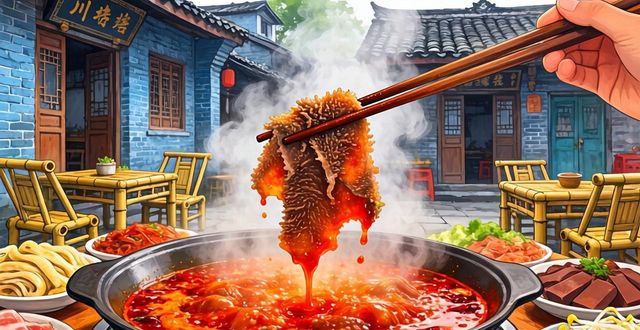
Do not put everything in at once. The proper way is to hold one ingredient with your chopsticks and swish it in the bubbling broth for just a few seconds — this is called “huoguo” (fire pot) because you watch it cook. Tripe follows the “seven up, eight down” rule: dip it in the boiling oil seven times for about fifteen seconds total. Dip cooked food into your personal bowl of sesame oil, minced garlic, and a dash of vinegar. This cools down the spice and adds a nutty richness that balances the heat.
Never drink the broth as soup — it is too oily and salty. Instead, sip cold beer, sour plum juice, or plain yogurt to tame the fire on your tongue. Also, be mindful of the “no double dipping” rule: use your serving chopsticks for raw meat, and your eating chopsticks for what goes into your mouth. Finally, pace yourself. A proper hot pot meal lasts two hours; it is a social event, not a race. If your nose runs and you start sweating, you are doing it right.
Now here is a question for you: after reading this, would you try the tallow‑heavy Chongqing hot pot or the herb‑lighter Chengdu version first? Drop your answer in the comments — and if you found this guide useful, hit like and share it with a fellow traveler heading to China.