
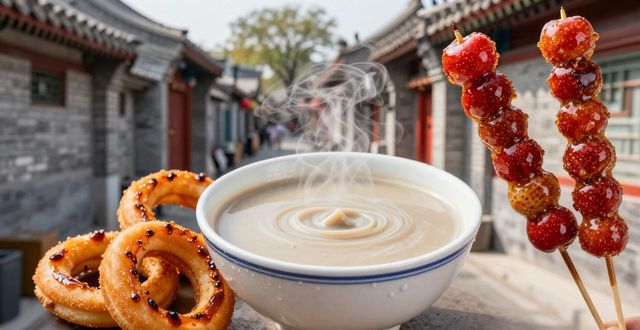
Beijing is a city where ancient hutongs meet modern skyscrapers, and its food scene is just as diverse and exciting. If you’re a traveler who wants to go beyond Peking duck and explore the real flavors of the capital, a food tour is your best bet. From sizzling lamb skewers to hidden dumpling shops, these guided experiences take you straight into the heart of Beijing’s culinary culture, saving you from tourist traps and language barriers.
What to eat on a Beijing food tour
A typical Beijing food tour introduces you to dishes that locals line up for every day. You’ll likely start with jianbing – a crispy, savory crepe filled with egg, scallions, and hoisin sauce, freshly made on a hot griddle. Then come the baozi (steamed buns stuffed with pork or vegetables) and zhajiangmian, chewy noodles topped with a thick, fermented soybean paste. Many tours also include lamb skewers (yangrou chuan’r), grilled over charcoal with cumin and chili, which you’ll find in every evening hutong market.

For adventurous eaters, some food tours offer douzhi – a fermented mung bean drink that smells strong but has devoted fans among older Beijingers. Don’t be surprised if your guide pairs it with jiaoquan, a crispy, twisted fried dough. Dessert often comes in the form of tanghulu, candied hawthorn berries on a stick, or a bowl of sweet lǘ dagun (glutinous rice rolls with red bean paste). These tours ensure you taste the extremes and the everyday, giving you a full picture of Beijing’s food identity.
Where to find authentic Beijing food
The best food tours in Beijing avoid crowded tourist streets like Wangfujing Snack Street, which caters mostly to visitors. Instead, they take you into residential hutongs – narrow alleyways where family-run stalls have operated for decades. For example, the area around Bell Tower and Drum Tower is famous for its old-fashioned hot pot eateries and shaobing (baked sesame flatbread) vendors. Some tours also explore the Muslim Quarter near Niujie, where halal beef noodles and sticky rice cakes have been made by the same families for generations.
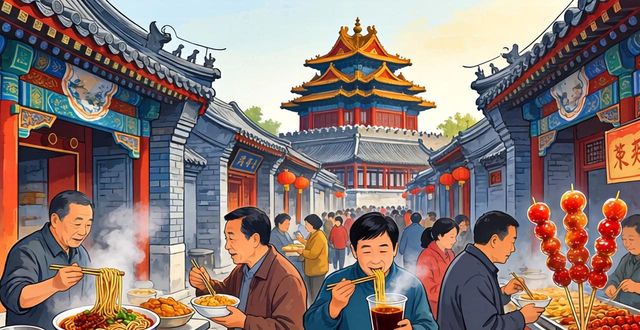
Another hotspot is the Ghost Street (Guijie), a mile-long stretch glowing with red lanterns and packed with 24-hour crayfish and spicy hot pot joints. Knowledgeable guides know which restaurants still use traditional coal-fired woks and which have the freshest ingredients. They’ll also lead you to hidden gems like a basement lanzhou lamian shop or a tiny storefront selling luosifen (stinky rice noodles) despite its controversial odor. By choosing the right tour,you’ll sample food that tells the story of Beijing’s changing neighborhoods.
Tips for joining a food tour in Beijing
First, book a small-group tour (six to eight people) for a more personal experience. Many highly-rated companies like Lost Plate, UnTour, and Beijing Hutong Food Tours offer evening walks that last three to four hours and include all tastings – roughly eight to ten dishes. Always check recent reviews on TripAdvisor or Google Maps, paying attention to comments about the guide’s English skills and dietary flexibility. Vegetarians and those avoiding gluten should communicate their needs before booking, as many sauces contain soy or wheat.
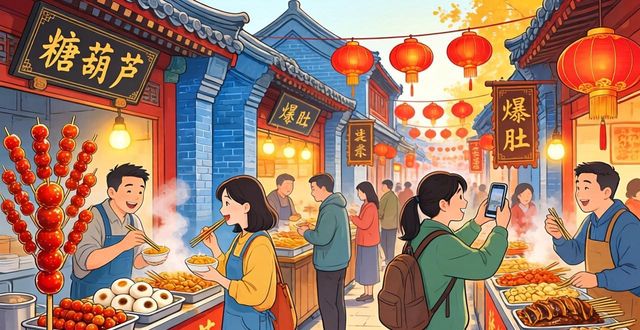
Second, come hungry and bring cash. While tours cover most costs, you may want to buy extra skewers or a bottle of local yogurt. Wear comfortable shoes because you’ll walk through uneven hutongs, and keep a small bottle of water handy – dishes like mala hot pot can be tongue-numbingly spicy. Finally, don’t be shy about asking your guide personal questions; most are passionate locals who love sharing stories about their grandma’s recipes or the history of a particular alley. A good food tour is as much about conversation as it is about cuisine.
Have you ever tried a street food that completely surprised you – in a good or bad way? Share your story in the comments, and if this guide helped you plan your Beijing food adventure, give it a like and pass it along to fellow food lovers!