
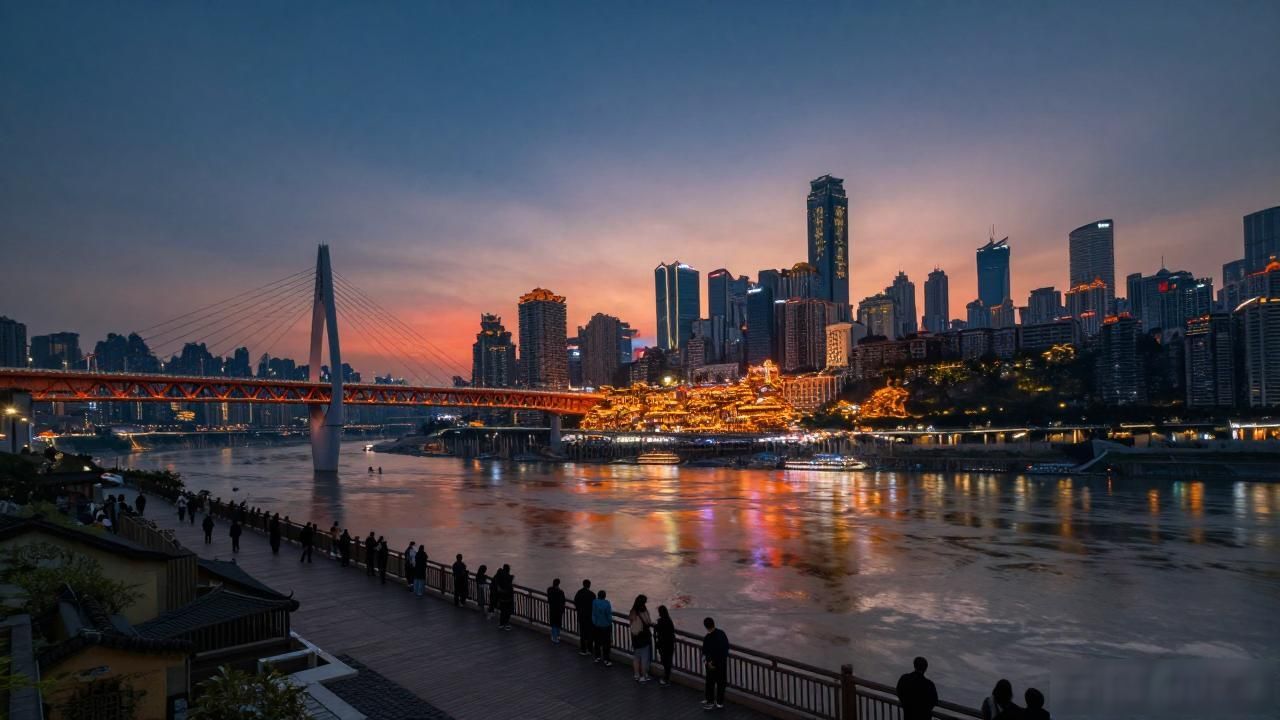
Chongqing transforms after dark into a cyberpunk dreamscape, offering some of the most dramatic urban vistas in Asia. The city’s unique topography, perched on hills along the Yangtze and Jialing rivers, creates layers of light that seem to float in mid-air. For travelers seeking visual impact, understanding where to stand is just as crucial as what to photograph. This guide cuts through the noise to highlight the essential spots and tips for capturing this neon metropolis.
Best Spots for Chongqing Night Views

Nanbin Road on the south bank of the Yangtze River offers the classic postcard view. Walking along this promenade provides an unobstructed panorama of Yuzhong District’s skyline. The contrast between the historic bridges and the futuristic skyscrapers is striking. Arrive before sunset to watch the sky shift colors, ensuring you catch the blue hour when artificial lights begin to glow against the dimming natural light. It is a crowded spot, but the reward for the view is undeniable.
For a higher vantage point, Ciqikou Ancient Town might seem like an unexpected choice. While known for its history, the upper levels offer a serene overlook of the river confluence. The ancient architecture frames the modern city in the distance, creating a fascinating blend of old and new. It is less chaotic than Nanbin Road, allowing for quieter moments of appreciation. The light here feels warmer, reflecting off stone paths rather than glass facades.
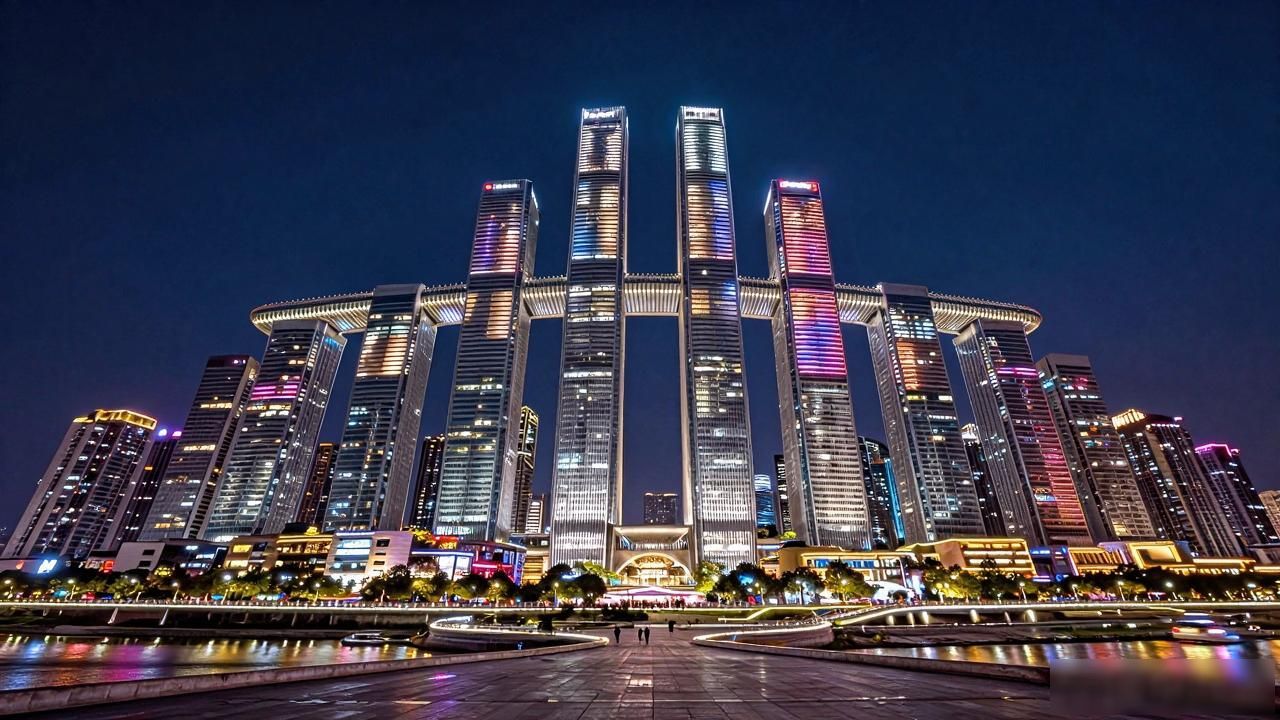
The Raffles City complex at Chaotianmen is another critical location. Its horizontal skybridge connects eight towers,creating a ship-like silhouette that dominates the river mouth. Looking up from the plaza below, the scale is humbling. The illumination schedule changes seasonally, so checking local updates ensures you see the full vibrant spectrum of LEDs. It is a hub of activity, with street performers and food stalls adding to the lively atmosphere.
How to Capture the Perfect Shot
Photography in Chongqing requires patience and the right gear. The high dynamic range between bright neon signs and dark shadows can confuse camera sensors. Bring a tripod if you plan to shoot long exposures. Stability is key for capturing the smooth flow of river traffic and the crisp lines of buildings. Aperture settings around f/8 to f/11 help keep both foreground and background elements sharp.
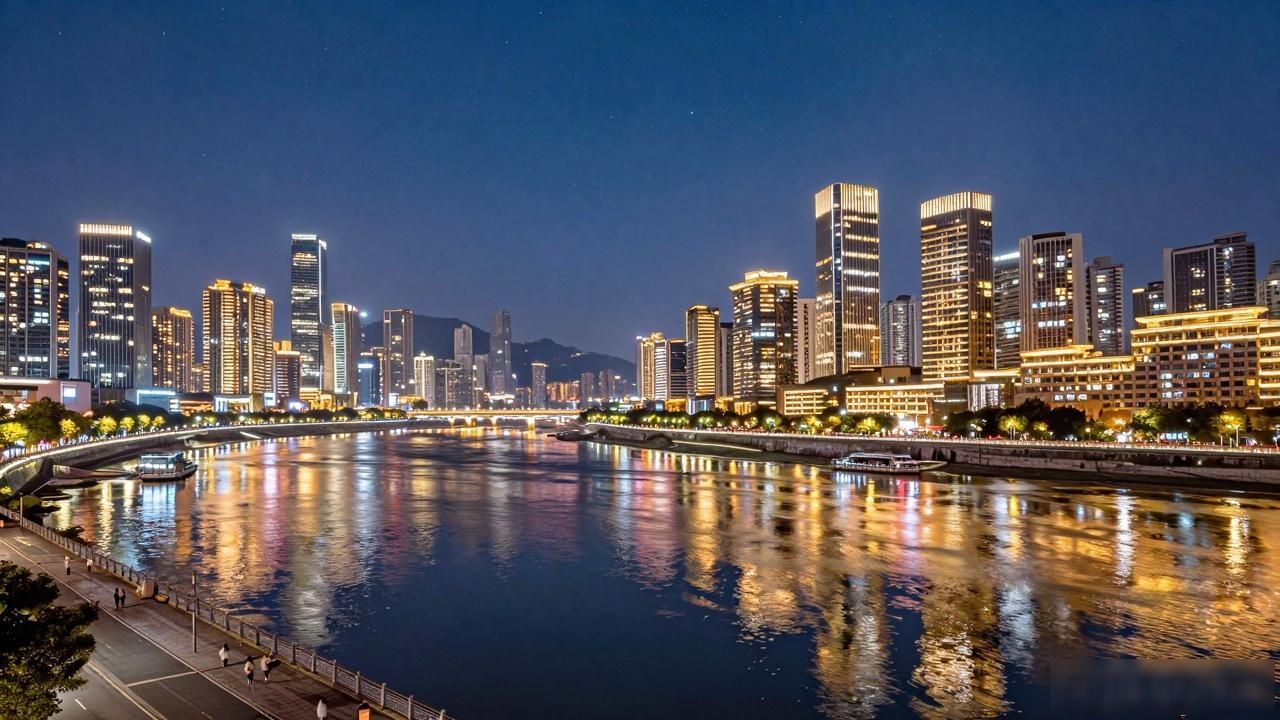
Timing your visit during weekdays reduces crowd interference in your shots. Weekends bring dense throngs that can obscure clean lines of architecture. If you must go on weekends, arrive early to secure a prime position near railings. Local guides suggest focusing on reflections in the Jialing River, which often provide a clearer image than direct sightlines due to the water’s shimmering surface.
Finally, embrace the chaos. Chongqing is not just about static beauty; it is about movement. The fog, the rain, and the bustling streets add texture to the night scene. Let these elements become part of your narrative. The city breathes differently after dark, revealing a side that daytime tourists rarely see. Stay curious and explore alleys off the main tourist trails for hidden gems that offer intimate perspectives of this vertical city.