
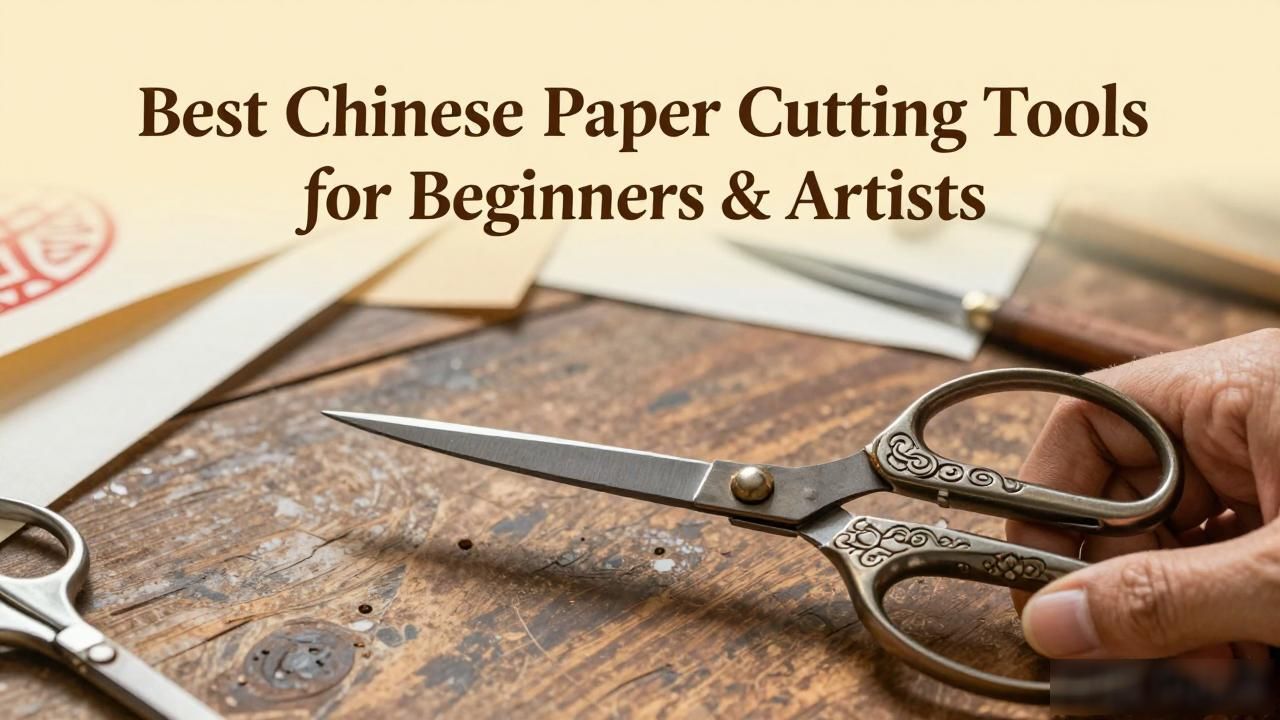
Chinese paper cutting, or jianzhi, is an ancient folk art that requires more than just steady hands. The right tools make the difference between a frustrating experience and a beautiful, intricate creation. Whether you are a beginner picking up scissors for the first time or an experienced artist looking to refine your craft, understanding the specific tools used in this tradition is essential.
What scissors do Chinese paper cutters actually use

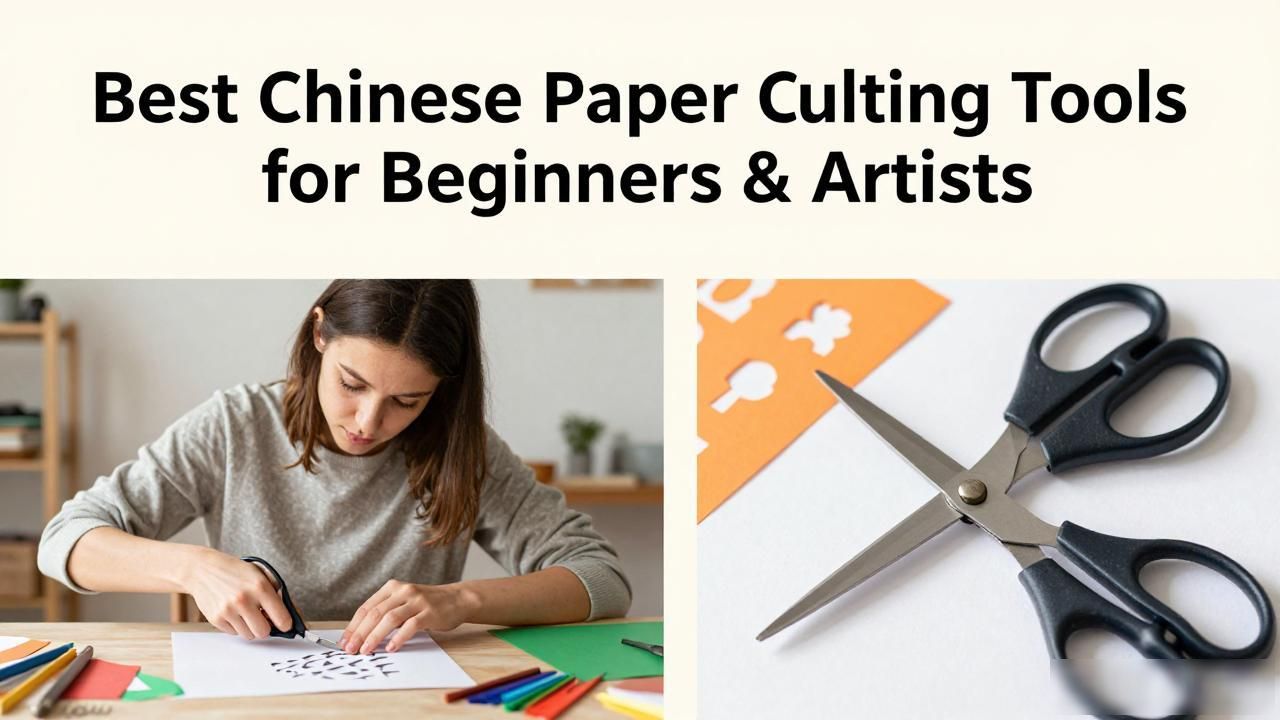
The most iconic tool in Chinese paper cutting is not the standard household scissor. Traditional artisans use a very specific pair of scissors with extremely fine, long, and sharp blades. These scissors are designed for precision, allowing the cutter to navigate tight curves and delicate internal patterns without tearing the paper. The handles are often smaller and more ergonomic than Western scissors, fitting comfortably in the hand for hours of detailed work. For a beginner, a pair of these dedicated scissors, sometimes called “paper cutting scissors” or “embroidery scissors,” is the single most important investment. Using oversized or blunt scissors will almost certainly lead to frustration and jagged edges.
Is a knife better than scissors for Chinese paper cutting
While scissors are the entry point for many, professional Chinese paper cutters often rely on a small, sharp knife. This technique, known as kezhi or knife carving, involves stacking several layers of paper and cutting them simultaneously with a precise, vertical blade. The knife is not a standard utility knife; it is a thin, pointed blade set into a simple wooden or bamboo handle. The artist holds the knife like a pen and carves the design on a special cutting board, often made from a mixture of ash wood and beeswax or a soft, self-healing mat. This method allows for extremely fine, repetitive details and mass production of identical designs. For someone creating complex, symmetrical patterns, the knife technique is often preferred over scissors.
Which paper is best for Chinese paper cutting techniques
The paper itself is a crucial tool. The best paper for jianzhi is thin, strong, and highly absorbent. Traditional artisans favor xuanzhi (rice paper) because it is resilient yet easy to cut, and it holds its shape well. It typically comes in vibrant, single colors, most commonly red for good luck and celebration. The paper must be thin enough to cut through cleanly without tearing, but strong enough to hold the intricate negative spaces that define the art. Beginners should avoid thick cardstock or glossy printer paper, as these materials are too stiff and will dull blades quickly. A pack of thin, handmade colored paper is the ideal starting point.
How to choose a cutting mat for paper carving
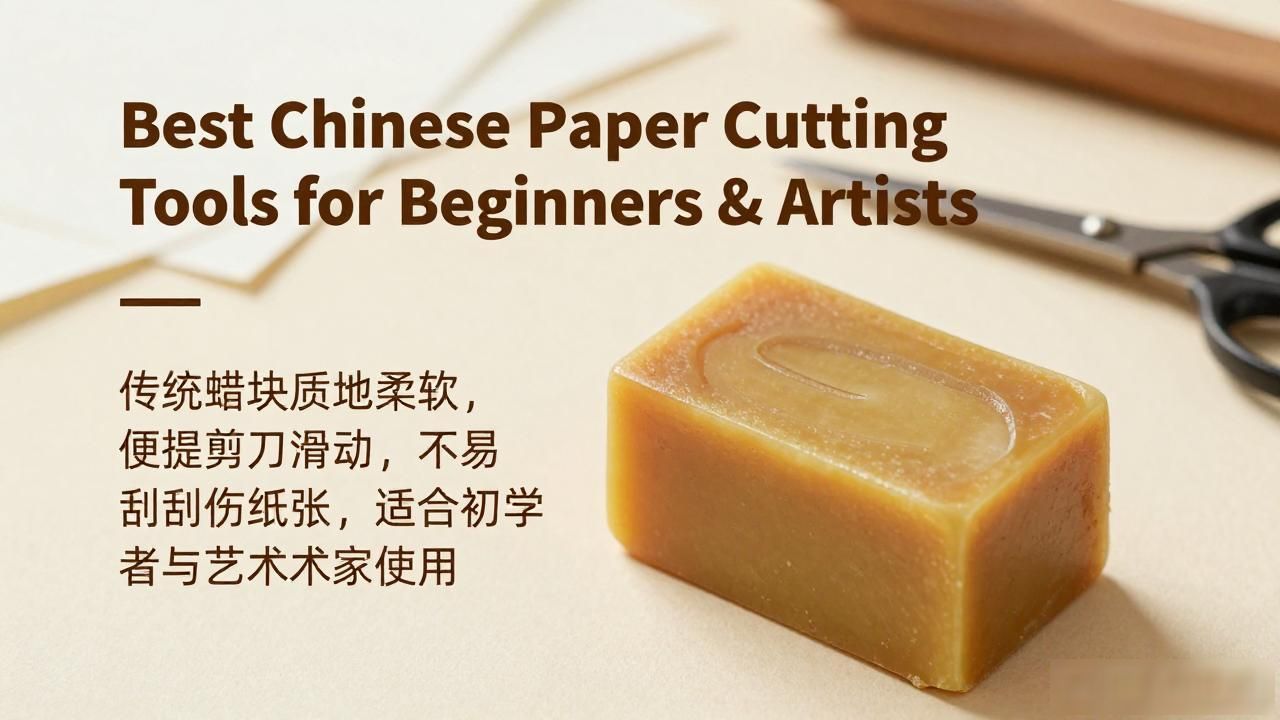
If you decide to use the knife carving method, your cutting surface is non-negotiable. A standard plastic cutting mat will destroy your knife’s edge and can be dangerous. The traditional Chinese solution is a wax block, typically made from a mixture of plant ash and beeswax. This block is soft enough to catch the knife point but firm enough to hold the paper stack in place. Modern alternatives include self-healing cutting mats made of rubber, which work well for hobbyists. The key is to have a surface that allows the blade to penetrate slightly without resistance, protecting both the knife and the work surface.
The beauty of Chinese paper cutting comes from the harmony between the artist’s hand and these simple, specialized tools. Starting with a quality pair of fine-tipped scissors and thin, absorbent paper will set you on the right path. As your skills grow, exploring the knife carving technique and its dedicated wax block will open up new levels of complexity and precision in your work.