
Beijing food traditions run deeper than most travelers realize. They aren’t just about Peking duck or hotpot; they’re woven into family rituals, seasonal eating, and the way a mother arranges the table. These traditions shaped the city’s palate for centuries, and they still define what “good food” means to the people who live here every day.
What Are Beijing Food Traditions

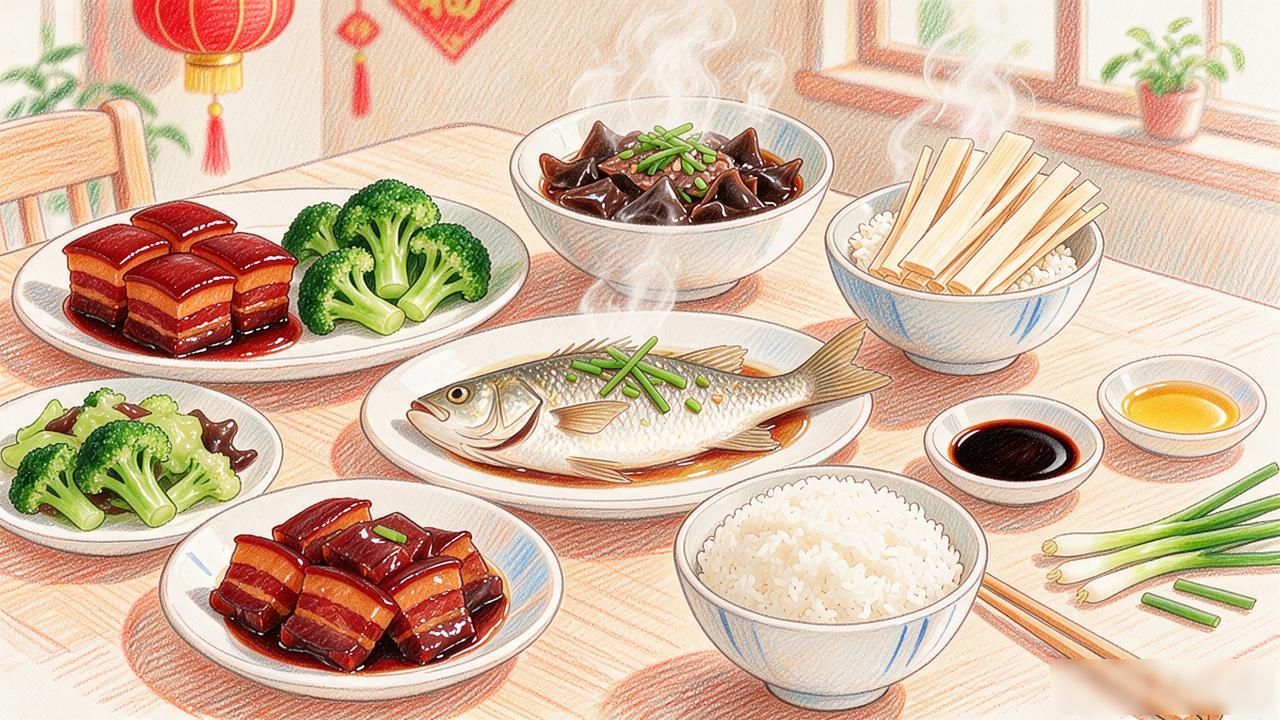
The table in a Beijing home tells its own story. Four or six cold dishes come first, followed by hot ones, with rice or noodles tucked alongside. You’ll notice soy sauce, sesame oil, and sliced scallions always within arm’s reach. Meals lean toward balance—meat, vegetable, a small broth—because the old household rule was “three meats, three greens, one soup.” Skipping a course, even for a second, felt like skipping respect for everyone seated.
Seasonal eating matters more here than in most Chinese cities. Spring brings thin, crisp yongding rolls wrapped around nine different fillings. Autumn calls for roast duck, pomegranate, and the first small pumpkins. Winter demands heavy millet porridges and preserved plums. The calendar isn’t decoration on the fridge; it’s a script your kitchen follows without fail.
Why Do Beijing Food Traditions Matter
These rituals survived wars, cultural upheavals, and decades of rationing. The old qianzhang noodle shops along the hutongs closed one by one, yet the stretching technique lives on in home kitchens. A grandmother still kneads and pulls dough by hand past midnight so her grandkids get soft “living noodles” at breakfast. The tradition outlasts any single shop or family.
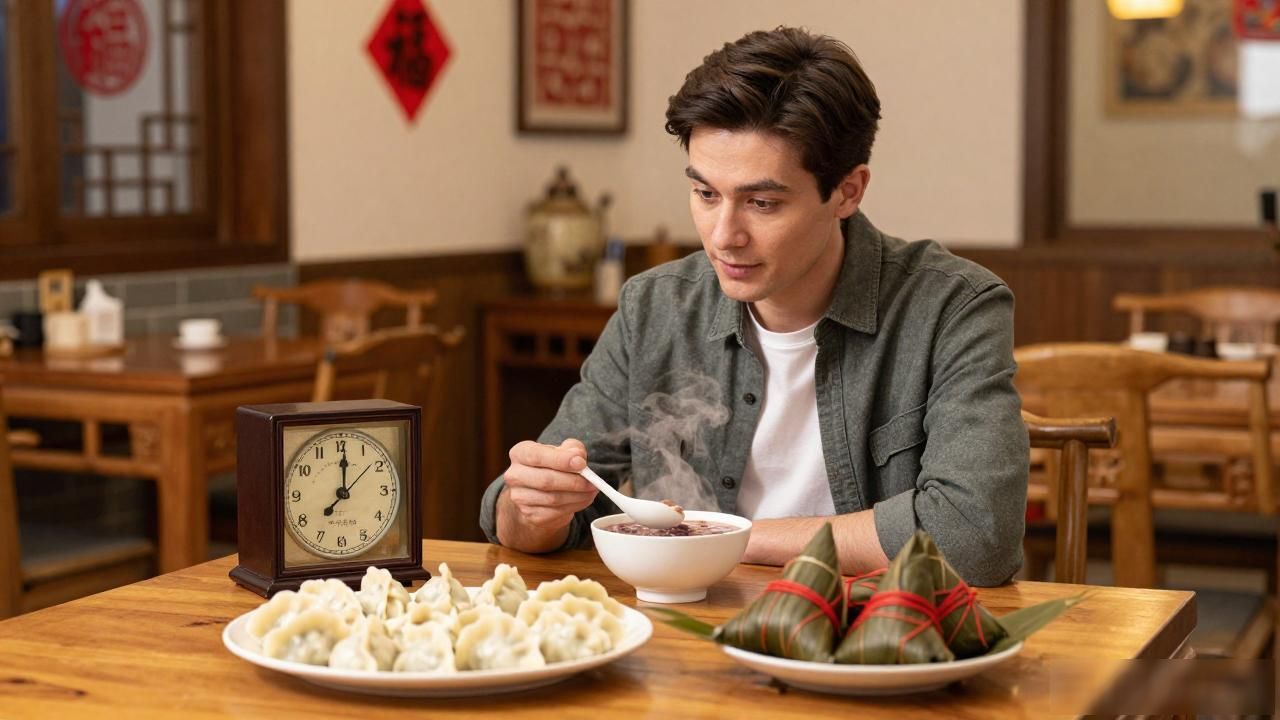
For visitors,understanding this context turns a casual restaurant meal into something richer. You stop asking “what is this?” and start asking “when do people actually eat this?” The Dongzhi dumpling, the Lunar New Year’s eight-treasure porridge, the Dragon Boat zongzi bundles—each one is a small clock sitting quietly on the table, marking time in ways no menu can explain.
Beijing food traditions aren’t a museum piece behind glass. They hum in every steaming pot on a January evening, in the way a father tucks a slice of braised pork onto his kid’s plate without saying a word. The city eats with memory, and that memory is still warm, still being passed hand to hand.