
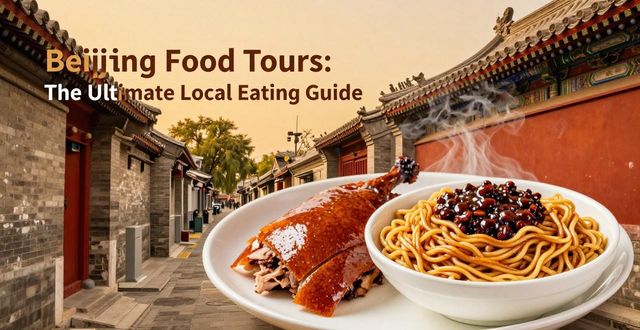
Beijing is a city where ancient alleys hide some of China’s most exciting flavors, and a food tour is the smartest way to unlock them. For travelers who want more than just the hotel buffet, guided food tours in Beijing offer a safe, delicious shortcut to authentic local eats. You will skip the guesswork, avoid tourist traps, and taste dishes most visitors never even hear about. From sizzling lamb skewers in hutongs to hand-pulled noodles in busy markets, here is everything you need to know before booking your own Beijing food adventure.
What to expect on a Beijing food tour
Most food tours in Beijing run between three and four hours, covering three to six different stops. You will not just eat; you will walk through historic neighborhoods, learn how locals order food, and hear stories behind each dish. Guides usually speak excellent English and handle all the communication with vendors, so you never have to point awkwardly at pictures. Expect small groups of six to twelve people, which keeps the experience personal and allows easy questions. Many tours include all food and a drink or two, but check ahead if alcohol is extra.

You should also expect a fair amount of walking, so comfortable shoes are non-negotiable. Tours often start in the late afternoon to catch both the daytime market energy and the nighttime grill scene. Some tours offer morning options focusing on breakfast foods like warm soy milk, fried dough sticks, and savory tofu pudding. Regardless of the time, be ready to try textures and flavors that might feel new: chewy gluten cakes, sour pickled vegetables, and the famous fermented bean drink that locals either love or laugh about. A good guide will help you appreciate every bite.
Best neighborhoods for food tours in Beijing
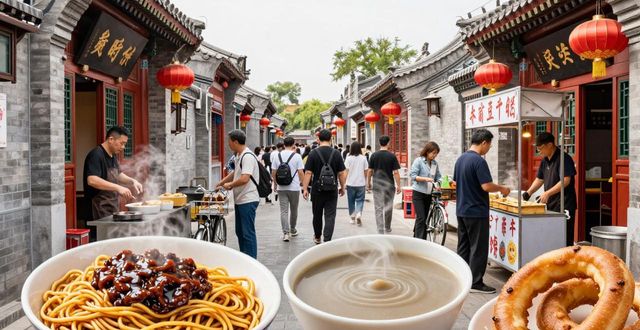
The hutong districts around Houhai and Nanluoguxiang are top choices for food tours in Beijing,because they pack dozens of tiny family-run eateries into narrow alleyways. These areas have been around for centuries, and many recipes have passed down through generations. Walking through a hutong at dusk, you will smell cumin-dusted lamb and hear the sizzle of scallion pancakes. This is where authentic Beijing lives, not in the glossy shopping malls. Tours here often include stops for zhajiangmian (noodles with fermented soybean paste) and jianbing (crispy egg crepes).
Another fantastic neighborhood is the Muslim district near Niujie, which offers a completely different taste of the city. Beijing’s Hui Muslim community has developed its own rich food culture, featuring tender beef and lamb dishes, spicy cumin burgers, and sweet rice cakes. A food tour in Niujie feels more off-the-beaten-path, with fewer tourists and more honest prices. You will visit a centuries-old mosque and taste freshly baked flatbreads from coal-fired ovens. For a modern contrast, the Sanlitun area has trendy food markets where young chefs reinvent street classics, though traditionalists may prefer the old hutongs.
Must-try dishes you cannot miss on a food tour
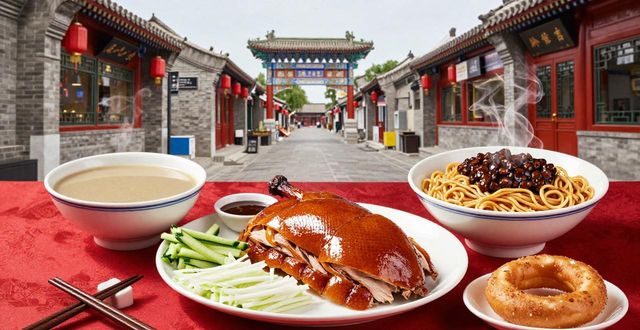
Peking roast duck appears on every tourist’s list, but a real food tour in Beijing goes far beyond that famous bird. The first essential dish is zhajiangmian: thick wheat noodles topped with a dark, savory sauce made from fermented soybeans and minced pork. Locals eat this for quick lunches, and each noodle shop has its own secret recipe. Next is jianbing, the ultimate Beijing street breakfast. Vendors pour batter onto a hot griddle, crack an egg, sprinkle scallions and cilantro, then fold in crispy fried crackers and hoisin sauce. It costs less than a dollar but delivers unforgettable texture.
You should also try lamb skewers known as yangrou chuan’er, grilled over charcoal with cumin and chili flakes. These are everywhere in hutongs after sunset, and eating them standing on a busy sidewalk is part of the fun. For adventurous eaters, douzhi (fermented mung bean milk) is the notorious local challenge. Its sour, slightly fizzy taste shocks most foreigners, but pairing it with pickled vegetables and spicy gluten cakes helps. Finally, hot pot in Beijing often features fresh lamb slices and a simple clear broth, unlike the spicy Sichuan version. A good tour will let you dip hand-rolled noodles into the bubbling pot.
How to choose the right food tour for you
Not all food tours in Beijing offer the same quality, so look for companies with small group sizes and guides who grew up in the city. Read recent reviews on TripAdvisor or Google Maps, paying attention to comments about food quantity and guide knowledge. Some budget tours cut costs by taking you to only two or three places, leaving you still hungry. Reliable operators clearly list the number of tasting stops and often provide a backup plan for rainy days. Also check if the tour accommodates dietary restrictions like vegetarian, halal, or gluten-free; many local vendors can adjust if warned in advance.
Consider your personal eating style before booking. If you love sitting down at tables and taking your time, look for a seated tour that includes several restaurant meals. If you prefer grazing while walking and chatting with vendors, a street-walking hutong tour fits better. Private tours cost more but allow total flexibility with pace and food choices, which is great for families with kids or serious food photographers. Group tours are more social and budget-friendly, often ending at a hidden bar for a local craft beer. Regardless of your choice, book at least a week ahead during peak travel seasons like May or October.
Which dish or neighborhood in Beijing are you most excited to explore first? Drop your thoughts in the comments below, and if this guide helped you, please share it with a fellow traveler who loves real local food.