
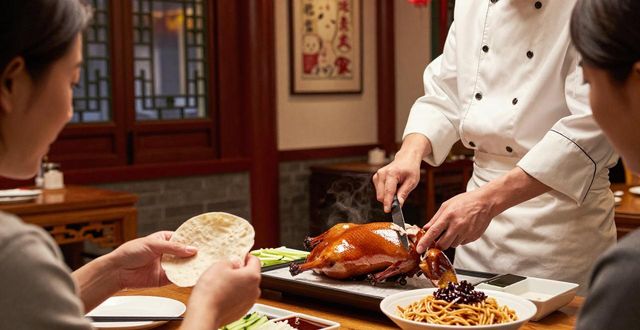
When people think of Chinese food, they often picture spicy Sichuan hotpot or delicate Cantonese dim sum. However, Beijing cuisine, with its bold savory flavors, wheat-based staples, and royal court heritage, offers a completely different yet equally rewarding experience. Rooted in northern China’s agricultural traditions and influenced by the Mongol and Manchu rulers, this cuisine is hearty, salty,and surprisingly diverse. From the world-famous Peking duck to humble noodle soups eaten by locals daily, Beijing food tells the story of a capital city that has welcomed emperors, merchants, and now global travelers. In this guide, I’ll share what you absolutely must try, where to find authentic meals without falling into tourist traps, and how to eat like a true Beijinger.
What makes Beijing cuisine different from other Chinese food
Unlike the rice-based dishes of the south, Beijing cooking relies heavily on wheat – think noodles, dumplings, and steamed buns. The climate here is dry and cold in winter, so people crave calorie-dense, warming foods. Another key difference is the heavy use of fermented soybean paste (dajiang) and sesame paste, which give dishes a deep, umami richness rather than fiery heat. Beijing cuisine also has a strong imperial influence; many dishes were refined in the Forbidden City kitchens, combining Han Chinese techniques with the meat-heavy preferences of Manchu nobles. The result is a style that feels rustic yet sophisticated, often featuring roasted or braised meats and pickled vegetables for balance.
Which Beijing dishes should you not miss on your first visit
Start with Peking duck, of course. The crispy, glossy skin is carved tableside and wrapped with scallions, cucumber, and sweet bean sauce in a thin pancake. For a truly memorable experience, book at Qjd (Quanjude) or the more upscale Dadong. Next, try zhajiangmian – noodles topped with a rich, salty fermented soybean sauce mixed with ground pork, then finished with shredded cucumber and radish. It’s comfort food for every local. Don’t skip jiaozi (dumplings) filled with pork and chives, especially during colder months. For adventurous eaters, look for douzhi, a fermented mung bean drink that smells like blue cheese but is beloved by old Beijingers. Finally, order a clay pot of lamb hotpot (not spicy) with a thick sesame dipping sauce – it’s a winter ritual here.
Where can you find authentic Beijing food without feeling lost
Avoid the overpriced food courts in Wangfujing snack street, which cater mainly to tour groups. Instead, head to hutongs like Andingmen or Gulou. Look for small shops with long queues of elderly locals – that’s your best signal. Many authentic joints have no English menu, but that’s part of the adventure. Use a translation app or simply point at what others are eating. For Peking duck, go to a mid-range restaurant like Siji Minfu (reservation recommended). For zhajiangmian, try Old Beijing Zhajiangmian Wang just off Nanluoguxiang. Also, don’t miss the breakfast markets (before 9 AM) where you can find jianbing (savory crepes), steaming tofu brains, and the infamous douzhi. If you feel overwhelmed, join a small-group food tour – guides can explain ingredients and customs while dodging language barriers.
How to eat like a local and avoid common tourist mistakes

First, never order white rice as a main dish. In Beijing, rice is often an afterthought; noodles or buns are the real star. Second, when eating Peking duck, don’t dump the sauce directly onto the pancake. Instead, dab a little on the duck, then add the vegetables. Also, respect the “lao zihao” (old-brand) restaurants – some waiters may seem brusque, but that’s just their style. Learn a few phrases: “Jie suan” for check, “Mai dan” also works. Tipping is not expected. When sharing a table (common in busy eateries), keep your phone quiet and eat without awkward staring. Lastly, be open to texture contrasts – many dishes mix chewy noodles with crunchy vegetables or soft tofu with pickled roots. If a local offers you a sip of baijiu (strong sorghum liquor), accept it graciously – it’s a gesture of friendship.
Have you ever tried a dish that completely changed your understanding of a country’s food culture? Share your story in the comments – and if this guide helped you, give it a like and pass it on to a fellow traveler heading to Beijing!