
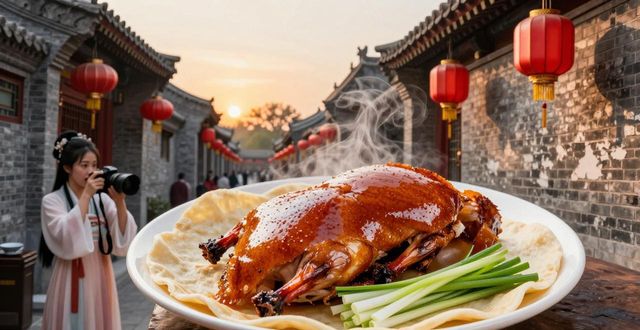
Embarking on a China food tour is one of the most rewarding ways to dive into the country’s rich culture. From sizzling street stalls to hidden family-run eateries, every meal tells a story. I’ve traveled across China to sample its diverse flavors, and what I discovered goes far beyond dumplings and fried rice. Let me walk you through genuine food tour experiences that will help you eat like a local.
Best cities for a China food tour

Beijing and Shanghai are obvious starting points, but don’t stop there. In Beijing, join a hutong breakfast tour to try jianbing (savory crepes) and douzhi (fermented mung bean soup). Shanghai offers xiaolongbao soup dumplings in old lane houses—follow locals to tiny shops with long queues. For a deeper adventure, head to Chengdu,where the air smells of chili and Sichuan pepper. A food tour here isn’t complete without mapo tofu and hot pot from a no‑English‑menu joint. Another hidden gem is Xi’an, famous for its Muslim Quarter’s lamb skewers and hand‑pulled noodles. These cities give you a genuine cross‑section of regional cooking styles, from delicate to fiery.
Must‑try dishes you can’t miss
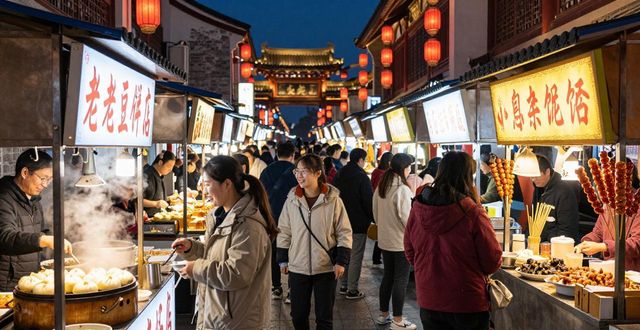
No China food tour is complete without a few iconic dishes. Start with Peking duck: crispy skin, thin pancakes, and sweet bean sauce. Seek out a restaurant that roasts ducks in a traditional hanging oven. Next, sample Lanzhou beef noodle soup—hand‑stretched noodles in a clear broth, topped with radish slices and chili oil. For the adventurous, try stinky tofu in Changsha or fried scorpions on Donghuamen Night Market in Beijing. Street food like roujiamo (Chinese burger) and liangpi (cold noodles with gluten) are everyday favorites you’ll find easily. Remember, each dish connects to local history and agricultural practices, so ask your tour guide about its origins.
How to stay safe and eat well on a food tour
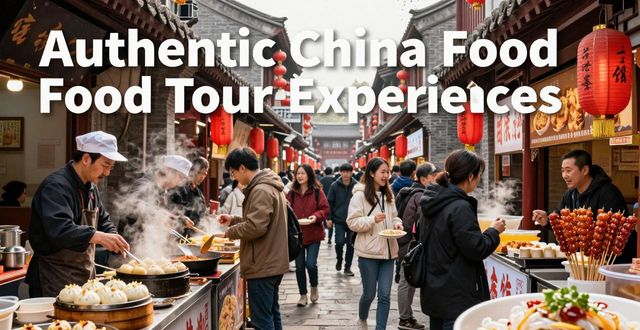
Foreigners often worry about hygiene and stomach issues, but a smart approach solves both. Always choose busy stalls—high turnover means fresher ingredients. Avoid raw vegetables rinsed in tap water; stick to cooked items. Bring wet wipes and hand sanitizer. If you have dietary restrictions, learn a few Chinese phrases: “bú yào là” (no spice) or “wǒ chī sù” (I eat vegetarian). Smaller group tours (four to six people) let you ask questions and get personalized attention. Also, consider tours that include a local market visit—you’ll learn how to select live seafood, exotic fruits, and seasonal produce. Lastly, pack probiotic tablets or charcoal capsules for peace of mind. Following these tips, you can enjoy every bite without worry.
Have you ever tried a local dish that completely surprised you during your travels? Share your story in the comments—and if this guide helped, give it a thumbs up and pass it to a fellow food lover!