
The concept of a transnational waterfall is inherently captivating—a powerful force of nature that defies political boundaries. Asia‘s largest such waterfall is a prime example, a spectacular landmark shared between two nations. This article explores this magnificent natural wonder, delving into its geographical significance, the unique visitor experience it offers from both sides, and practical considerations for planning a trip to witness its grandeur firsthand.
What is the best way to visit Asia’s largest transnational waterfall
Reaching this waterfall requires understanding its unique location. The waterfall is situated directly on an international border, meaning viewing platforms and access points exist in two separate countries. Travelers must decide which side to visit, as crossing the border at the waterfall itself is typically not permitted for tourists. Each nation offers distinct infrastructure, visa requirements, and cultural contexts.

Researching entry requirements for both countries is the essential first step. Visa policies can vary greatly, and some nationalities may have easier access to one side over the other. The development level of tourism facilities also differs; one side might feature well-paved paths, guided tours, and modern amenities, while the other offers a more rustic, closer-to-nature experience.
Transportation networks leading to the respective national parks or viewing areas are another key factor. Major cities in both countries usually have bus or tour services heading to the general region. However, the final leg of the journey might involve local taxis, tuk-tuks, or even a hike. Checking seasonal accessibility is crucial, as monsoon rains can affect road conditions and the waterfall’s flow intensity.
What can you see and do at the transnational waterfall
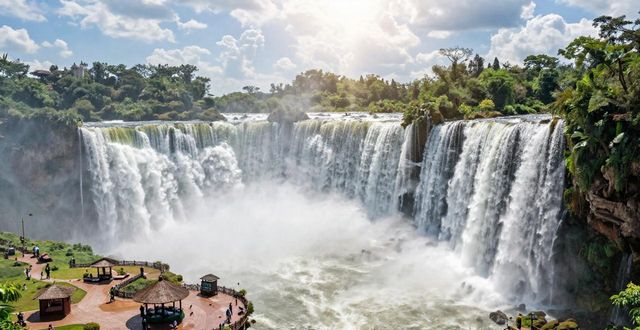
The experience is dramatically shaped by the perspective. From one country, visitors might enjoy a panoramic, frontal view of the entire cascading curtain of water. The vantage point allows for capturing the waterfall’s full width and the mist-shrouded valley below. Boat rides may be available to approach the base of the falls, offering a thrilling, spray-soaked perspective.
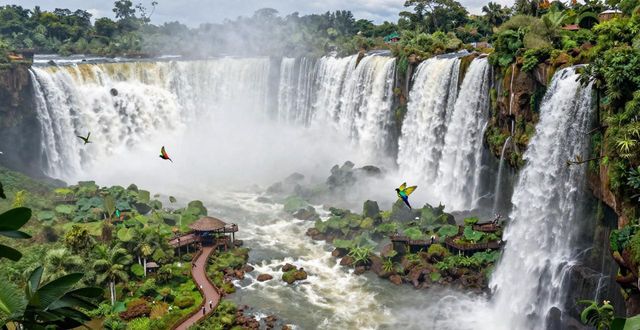
From the opposite side, the view is often more intimate and lateral. Trails may lead through lush rainforests to various lookout points that showcase different tiers and channels of the waterfall. The emphasis here might be on the surrounding biodiversity—spotting exotic birds, butterflies, and unique plant life that thrive in the constant mist. The cultural interpretation of the site also varies, with local guides sharing their nation’s legends and history tied to the landmark.
Beyond sightseeing, the area often supports activities like hiking in the protected border forests, visiting nearby ethnic minority villages, or exploring local markets. The thunderous roar of the water and the permanent rainbow often gracing the spray create a sensory experience that is both humbling and exhilarating, regardless of the chosen side.
How does the transnational status affect conservation and tourism
The shared nature of this resource presents both challenges and opportunities for conservation. Effective management requires bilateral cooperation to protect the watershed,control pollution, and preserve the surrounding ecosystems. Joint committees often work on issues like sustainable water usage and preventing illegal logging or poaching in the border zone. This cross-border environmental diplomacy is a silent yet critical aspect of the waterfall’s preservation.
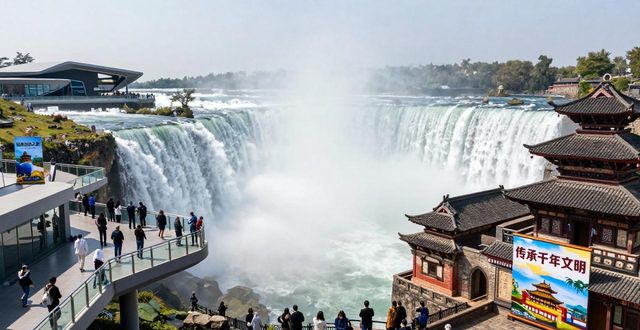
For tourism, the transnational status creates a unique dynamic of friendly competition and potential collaboration. The two countries may market the waterfall differently, highlighting their unique access and viewpoints. This can benefit travelers by offering a choice of experiences. However, it also necessitates clear communication about rules, as regulations regarding drone use, swimming, or protected areas may differ sharply just a few hundred meters apart.
The economic benefits are shared, but often unevenly distributed, influencing local communities on both sides. Tourism development can bring jobs and infrastructure improvements, but it must be balanced with preserving the site’s natural integrity and cultural significance. The waterfall stands not just as a natural border, but as a test case for international stewardship of a shared global heritage.
This majestic waterfall is more than a scenic destination; it is a powerful symbol of nature’s disregard for human-drawn lines. Visiting it offers a profound reminder of our planet’s interconnectedness. The journey requires more planning than visiting a typical waterfall, but the reward is a multifaceted experience enriched by dual perspectives, making the effort truly worthwhile.