
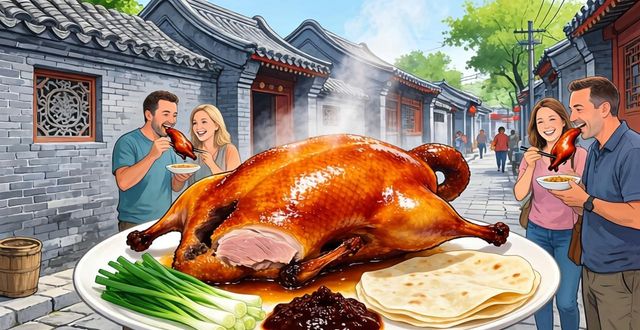
Beijing cuisine, often shrouded in the global fame of Peking Duck, offers a far richer and more diverse culinary landscape. It is a edible history book, chronicling the flavors of imperial banquets, the hearty sustenance of northern commoners, and the innovative fusion born in a modern capital. For the international visitor or resident, navigating this world can be daunting yet incredibly rewarding. This guide aims to move past the postcard image, exploring the essence, the must-try dishes beyond the obvious, and practical tips for an authentic gastronomic adventure in Beijing.
What defines authentic Beijing food flavors
Beijing’s culinary identity is shaped by its geography and history. As a northern city, the flavors tend to be robust, savory, and geared towards providing warmth and sustenance. Wheat, rather than rice, is a staple, giving rise to a wonderful array of noodles, dumplings, and pancakes. The cuisine is not about extreme spiciness but about depth—achieved through techniques like braising, roasting, and stewing. Key seasonings include fermented bean pastes, dark soy sauce, and aromatic spices like star anise and cinnamon. There’s a noticeable absence of the numbing Sichuan peppercorn or the fiery chilies of the south. The taste profile is one of umami-rich sauces, tender meats, and the satisfying chew of hand-pulled noodles or the crispness of a perfectly seared jianbing (crepe). It’s food that feels substantial and comforting, a direct reflection of the city’s climate and historical character.

The imperial legacy left an indelible mark, introducing complexity and refinement. The famous Peking Duck is the prime example, where the craftsmanship lies in the precise roasting to achieve crackling skin and the ritual of assembly. This attention to technique and presentation filters down to many classic dishes. Furthermore, as the capital,Beijing became a melting pot, incorporating and adapting influences from across China, particularly from Shandong province, which heavily influenced its court cuisine. Thus, authenticity here is a blend of native northern heartiness and borrowed culinary elegance, all adapted to the local palate over centuries.
Where to find the best local Beijing restaurants
Forget the sterile hotel buffets or the overpriced, tourist-trap restaurants surrounding major sights. The soul of Beijing food resides in two distinct types of establishments: the time-honored laozihao (old brand name) restaurants and the vibrant, chaotic hutongs (alleyways). Laozihao like Quanjude or Bianyifang for duck, or Donglaishun for hot pot, offer a taste of history and consistent quality. They are institutions where recipes have been perfected over generations. Dining here is as much about the experience and tradition as it is about the food. Reservations are often necessary, and while they cater to tourists, they remain a legitimate pillar of Beijing’s food scene.
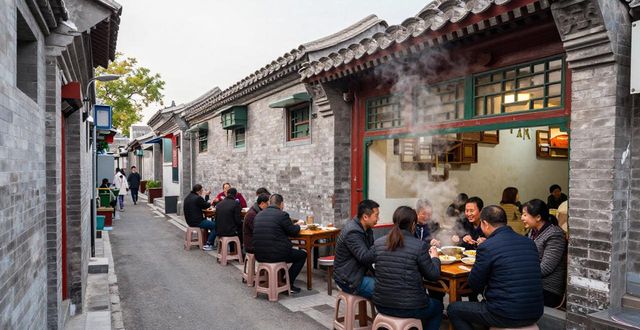
The real adventure, however, lies in the hutongs. Wandering through these ancient alleys, you’ll stumble upon unassuming storefronts with plastic stools and steamy windows. These are family-run operations serving phenomenal food at astonishingly low prices. Look for places crowded with locals—that’s the best sign. Here, you can enjoy a bowl of rich zhajiangmian (noodles with fried bean sauce), succulent kaoya from a local roaster that rivals the famous names, or crispy jiaoquan (fried dough rings) for breakfast. Don’t be intimidated by the lack of English menus; point at what others are eating or use a translation app. The warmth and authenticity in these spots are unmatched. Markets like Wangfujing Snack Street (though quite touristy) or the more local Niujie offer a concentrated glimpse into street food variety.
How to order Beijing cuisine like a local
Mastering the ordering ritual is key to a fulfilling meal. First, embrace shared dining. Dishes are designed to be placed in the center of the table for everyone to partake. A typical order includes a carbohydrate base like noodles or pancakes, a protein-rich main dish (often a meat or tofu stew), a vegetable dish for balance, and a soup to finish. Don’t order individual plates for each person. For a beginner, iconic dishes are a safe and excellent start: Peking Duck (ensure you order the whole duck with pancakes, sauce, and garnishes), zhajiangmian, jingjiang rousi (shredded pork in sweet bean sauce), and lvdagunr (glutenous rice roll with sweet filling) for dessert.
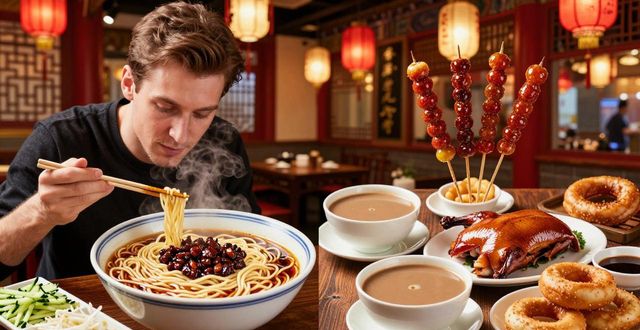
When in a local joint, observation is your best tool. See what’s popular on other tables. Learn a few key phrases: “zhege” (this one) while pointing, “yifen” (one portion), and “xiexie” (thank you) go a long way. Be adventurous with street food; ask for “yige” (one) of that skewer or pancake. Understand that service culture may differ; it’s efficient rather than obsequious. Don’t wait for a server to constantly check on you—if you need something, a polite call of “fuwuyuan” (waiter/waitress) is acceptable. Finally, accompany your meal with local drinks: warm erguotou (a strong sorghum liquor) for the brave, or Yanjing beer for a milder choice. Eating like a local is about participation, curiosity, and diving into the communal, flavorful heart of the city’s food culture.
Beijing’s cuisine is a journey through time and taste. It invites you to look beyond the iconic duck, to explore the savory stews simmering in old pots, the deft hands pulling noodles, and the sizzle of food in a hutong wok. It is an integral part of understanding Beijing itself—a city that honors its past while constantly evolving. Your culinary exploration will leave you with more than just a full stomach; it will provide a deeper, more flavorful connection to the capital’s enduring spirit.