
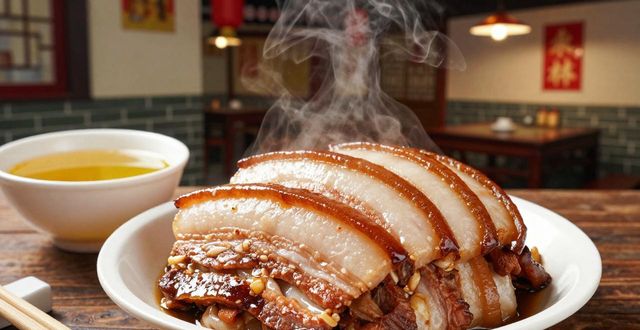
Guilin’s local cuisine is a vibrant tapestry woven from the region’s unique geography and the culinary traditions of its diverse ethnic groups. Far more than just the world-famous Guilin rice noodles, it is a cuisine defined by fresh river ingredients, pungent fermented flavors, and a masterful balance of sour and spicy notes. For the traveler seeking a true taste of this karst landscape, understanding a few key dishes and dining customs unlocks a deeper, more flavorful experience.
What are the must-try dishes in Guilin local cuisine
While Guilin rice noodles are a non-negotiable starting point, the real adventure begins with lesser-known specialties. Beer Fish, or Píjiǔyú, is a signature dish from the nearby town of Yangshuo. Fresh carp from the Li River is pan-fried until crispy and then stewed in a rich, savory sauce made with local beer, tomatoes, green peppers, and chili. The beer tenderizes the fish while adding a subtle sweetness that cuts through the spice.

Another cornerstone is Lipu Taro Loaf Pork (Lípǔ yùnián ròu). This dish is a celebration of texture, featuring melt-in-your-mouth braised pork belly and soft, fragrant taro cake, all steamed together. The flavors are deeply savory and comforting. For a unique snack, seek out Oil Tea (Yóuchá), a savory tea soup made by frying tea leaves with oil, then boiling them with water and adding puffed rice, peanuts, and fried dough twists. It’s a traditional breakfast of the Dong and Yao minorities, offering a robust and energizing start to the day.
How to find authentic Guilin food restaurants
Avoiding tourist traps is key to an authentic culinary journey. Look for bustling local joints where the menu is only in Chinese and the plastic stools are worn. The best rice noodle shops are often small, open-front establishments where you’ll see large pots of bone broth simmering. For a sit-down meal, venture into the backstreets or residential neighborhoods. Restaurants with aquariums full of live fish and eels at the entrance typically serve the freshest river fare.
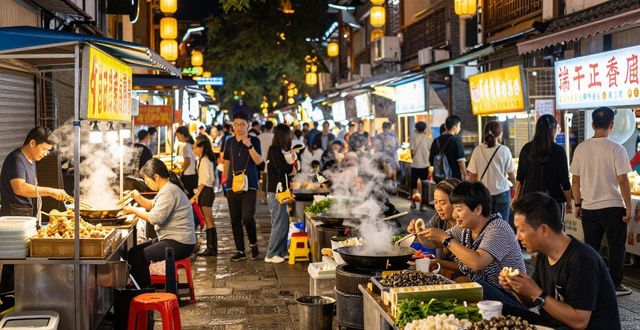
Night markets are also excellent hunting grounds. Zhengyang Pedestrian Street and the area around West Street in Yangshuo come alive after dark with sizzling woks and aromatic stalls. Here, you can sample bites like sticky rice stuffed in bamboo tubes or grilled river snails. Don’t be afraid to point at what looks good; the visual feast is part of the ordering process.
What are the unique flavors of Guilin cooking
Guilin cuisine is distinguished by its clever use of fermentation and pickling to create complex, umami-rich flavors. Guilin chili sauce (Guìlín làjiāo jiàng), made from fermented chili, garlic, and soybeans, is the soul of many local dishes and a ubiquitous condiment on every table. It provides a deep, funky heat that is more aromatic than brutally spicy.
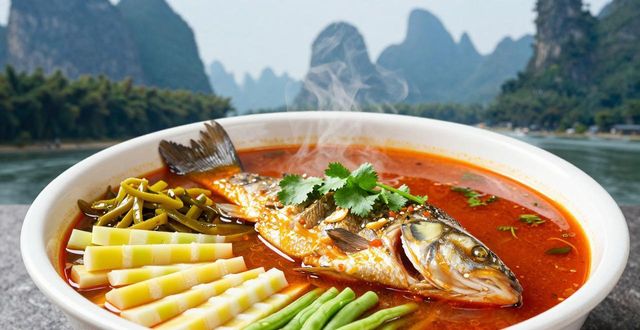
The flavor profile often leans towards suān là—sour and spicy. This is achieved not with vinegar, but with pickled vegetables, bamboo shoots, or long beans. The sourness is tangy and natural, perfectly balancing the heat from chilies and the richness of pork or fish. Fresh herbs like coriander and a local variety of mint are used liberally as finishing touches,adding a final layer of brightness to the dishes.
Exploring Guilin’s food scene is a journey into the heart of its culture. It’s a cuisine that tells a story of river life, mountain harvests, and resourceful preservation. Moving beyond the familiar bowl of noodles to embrace the sour, the fermented, and the freshly caught transforms a visit from sightseeing into a full sensory immersion. The true taste of Guilin is found in these bold, honest flavors shared among locals in unassuming settings.