
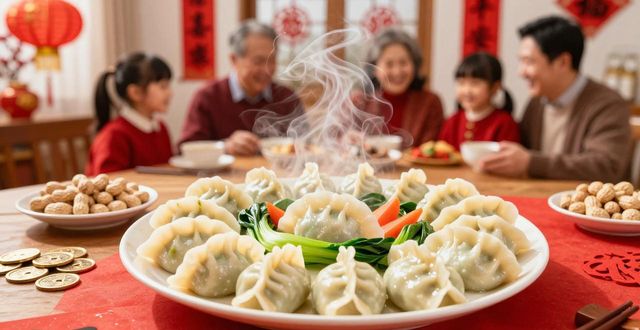
Chinese New Year is the most important festival in China, and food plays a central role in the celebration. Every dish served during the 15-day holiday carries a symbolic meaning, often related to luck, prosperity, and family unity. For foreigners, understanding these dishes is a wonderful way to appreciate Chinese culture. This guide will walk you through the must-eat foods, their hidden meanings, and how they are enjoyed during the Spring Festival.
What are the lucky foods for Chinese New Year
Fish is an absolute must-have on the reunion dinner table. In Chinese, the word for fish, “yu,” sounds exactly like the word for surplus or abundance. The tradition is to serve a whole fish, typically steamed, with the head and tail still attached. Interestingly, you are supposed to leave some leftover fish overnight, symbolizing that your family will have surplus wealth and food in the coming year.

Dumplings are another superstar of the New Year’s feast, especially in northern China. Their shape resembles ancient Chinese gold ingots, making them a direct symbol of wealth. Families often hide a coin or a peanut inside one of the dumplings. The lucky person who finds it is believed to have especially good fortune that year. Making dumplings together is also a family bonding activity that lasts late into New Year’s Eve.
Why spring rolls represent wealth
Spring rolls are golden, crispy rolls filled with vegetables, pork, or sweet bean paste. Their name comes from the tradition of eating them during the Spring Festival to welcome the new season. But their real charm lies in their shape and color. A spring roll looks exactly like a gold bar. Frying them gives them a shiny, golden crust, which directly symbolizes a pile of gold. In southern China, people often serve a platter of spring rolls as an appetizer for guests.
How niangao brings career success
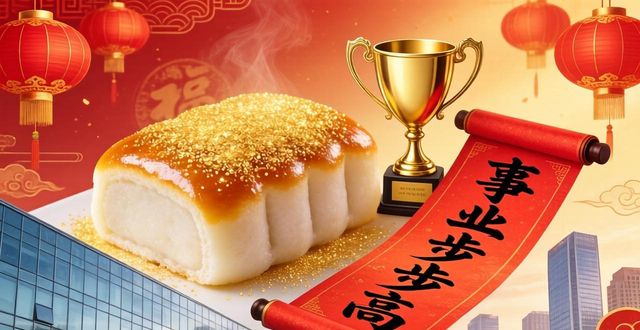
Nian gao, or sticky rice cake, is a sweet and chewy treat that is deeply associated with progress. The name “nian gao” sounds like “year high,” meaning each year will be higher and better than the last. This “high” can refer to anything from salary and grades to social status. Many families eat nian gao for breakfast on the first day of the New Year. It is usually sliced and pan-fried, then dipped in sugar. Some versions are made with red bean paste or dates for extra sweetness.
What do oranges and tangerines mean
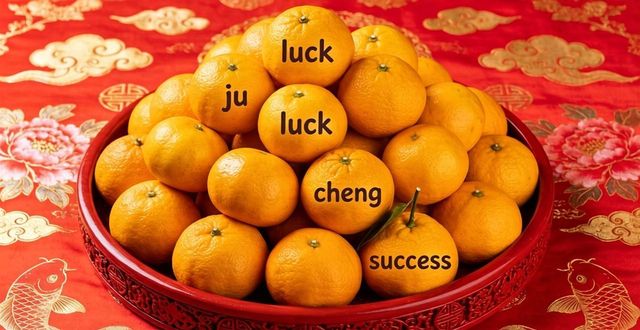
Fruits are not just desserts; they are essential decorations and gifts. Tangerines and oranges are everywhere during Chinese New Year. The word for tangerine, “ju,” sounds like luck, while the word for orange, “cheng,” sounds like success. Their bright golden color also resembles gold. It is common to present a pair of tangerines to a friend or a business associate when visiting their home. You should always offer them with both hands as a sign of respect and good wishes.
After reading this, which Chinese New Year food would you most like to try, and do you have a similar lucky dish in your culture? Please leave your thoughts in the comments and share this article with fellow food lovers.