
When you think of Chengdu, pandas and spicy hotpot might come to mind first. But after living here for years, I’ve discovered that the city’s true charm lies in everyday moments most tourists rush past. From ancient tea rituals to hidden alleyways where time stands still, Chengdu offers travel experiences you won’t find in any guidebook. This is not about checking off sights—it’s about slowing down, sipping jasmine tea, and letting the city’s slow-paced rhythm reshape your sense of adventure. Below are four unique experiences that will make your trip unforgettable.
What makes Chengdu’s tea culture unique
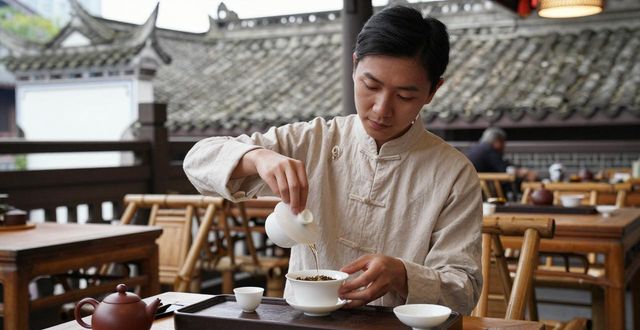
Unlike the formal tea ceremonies of Japan, Chengdu’s tea culture is wonderfully casual and deeply social. You’ll find locals spending entire afternoons at open-air teahouses in parks or old lanes, sipping green tea from covered cups while playing mahjong or chatting. The most authentic experience happens at Heming Tea House in People’s Park, where elderly men still shine shoes for pocket money and bamboo chairs creak under decades of use. Here, a server walks around with a long-spouted copper kettle, refilling your cup without you ever asking. The tea costs less than two dollars, but the cultural immersion is priceless.

For a truly unique twist, order “gaiwan” tea—a lidded cup that locals use to strain leaves while drinking. The lid also keeps the tea warm and stirs it gently. Watching a master tea pourer perform the “dragon style” pour from three feet away is a spectacle you’ll only witness in Chengdu. Teahouses also serve as informal job markets, matchmaking spots, and conflict resolution centers. Sit long enough, and you’ll see grandparents bargaining over a game of chess or young couples stealing kisses behind bamboo screens. This is where the city breathes, away from polished museums.
Where to find authentic Sichuan food beyond hotpot
Hotpot dominates Chengdu’s food scene, but locals know the real soul of Sichuan cuisine hides in small “hole-in-the-wall” noodle shops and family-run “chuan cai” kitchens. Head to the backstreets near Kuanzhai Alley, not the main tourist strip. Look for stalls with steaming woks and stools no higher than your knees. Order “dan dan noodles” if you see a vendor pounding chili paste by hand—the sesame paste,pickled vegetables, and numbing pepper create a wave of flavor that hotpot can’t match. Another local favorite is “fuqi feipian” (husband and wife lung slices), a cold beef and tripe salad tossed in fragrant red oil. It originated from a street cart in the 1930s and still tastes like history.
Don’t leave without trying “mapo tofu” from a restaurant that makes the tofu fresh daily. The real version uses beef mince, fermented broad bean paste, and a generous dusting of ground Sichuan pepper that makes your lips tingle. For dessert, find a “lao zao” (fermented rice wine) stand—sweet, slightly boozy, and served warm with little rice balls. If you’re brave, chew on “huajiao” berries raw; the numbing sensation is unlike any spice in Western cooking. The best way to discover these dishes? Follow office workers during lunch rush. They queue where the food is real.

How to experience pandas without crowds
The Chengdu Research Base of Giant Panda Breeding is open at 7:30 a.m., but most visitors arrive after 9 a.m., just when pandas retreat indoors to escape the heat. The secret is to enter at opening time and head straight to the giant panda nursery, where babies are most active before 8:30 a.m. Book a “panda keeper” experience months in advance—only 20 people per day get to clean enclosures and prepare special “panda cakes” made of bamboo powder and fruit. It costs around $200, but seeing a panda cub tug your shoelace is worth every cent.
For a quieter encounter, skip the base altogether and visit the Dujiangyan Panda Center, 90 minutes from Chengdu. Fewer tourists go there, and the setting is a misty forest rather than manicured gardens. You can volunteer to chop bamboo and feed adult pandas through a fence. Another alternative is the Wolong Shenshuping Base, where pandas roam larger, more natural enclosures. Whichever you choose, remember that pandas sleep 14 hours a day. Your best bet for activity is early morning or just before feeding time at 11 a.m. And please, never use flash—it terrifies them.
Why should you explore Chengdu’s alleys (hutong)
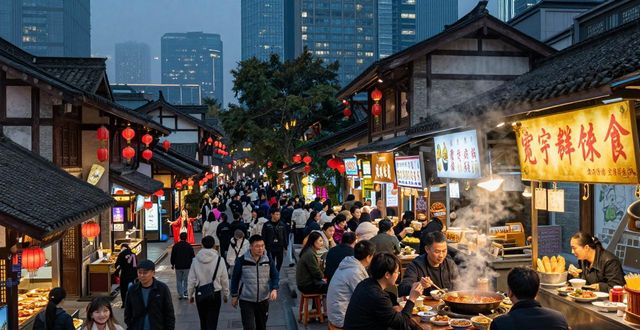
Chengdu has its own version of Beijing’s hutongs, called “xiangzi” 巷子. While Kuanzhai Alley is famous, the real magic lies in unrenovated lanes like Zhaojue Alley or the alleys behind Chongli Road. Here, century-old courtyard homes still have wooden lattice windows and moss-covered roofs. You’ll hear roosters crowing at dawn and smell twice-cooked pork drifting from open kitchen doors. Some alleys are barely wide enough for two people to pass, forcing you to slow down and notice details—hand-painted door gods, rusted bicycle bells, and potted plants on every windowsill.
Strike up a conversation with an elderly resident sitting on a low stool. Many have lived there since the 1950s and will proudly show you their interior courtyard, often hidden behind an unmarked gate. These alleys also hide tiny workshops: a shoemaker who uses a 1930s sewing machine, a calligrapher carving seals from soapstone, and a woman making “three cannon” sticky rice balls for five cents each. By sunset, the alleys transform as families set up mahjong tables under hanging lights. No ticket booth, no souvenir shop—just real life unfolding. Walk slowly, smile at everyone, and this invisible Chengdu will welcome you in.
What’s the first unique Chengdu experience you’d try, and do you have a hidden gem of your own to share? Drop your thoughts in the comments—I’d love to hear your stories, and if you found this helpful, hit like and share to help fellow travelers go beyond the ordinary.