
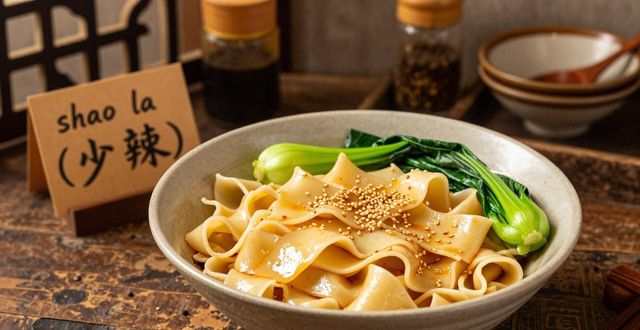
Xi’an, the ancient capital of China, is famous for the Terracotta Warriors, but its street food is just as legendary. As a passionate food explorer, I’ve walked through the bustling Muslim Quarter and tasted dishes that you simply won’t find anywhere else. From hand-ripped noodles to savory bread soaked in lamb soup, Xi‘an offers a culinary journey that tells stories of the Silk Road. Let me share four unique foods that will transform your travel experience and leave your taste buds craving more.
What makes Biangbiang noodles so special
Biangbiang noodles are named after the sound the chef makes when slapping the wide, thick dough against the table. These belt-like noodles are chewy, satisfying, and topped with chili oil, garlic, and slow-cooked pork or tomatoes and eggs. Unlike regular noodles, each piece is hand-pulled and ripped, giving it an uneven texture that soaks up the spicy sauce perfectly. You’ll find vendors in the Muslim Quarter making them fresh all day long, and watching the process is part of the fun.

For first-timers, the heat level can be a surprise. But don’t worry—you can always ask for “less spicy” by saying “shao la” with a smile. Many local shops serve Biangbiang noodles in a large bowl with a few greens and a sprinkle of sesame seeds. The combination of chewy noodles, fragrant oil, and tender meat creates an addictive flavor. I recommend ordering it for lunch when the noodles are at their freshest, and pair it with a cold local beer for the best experience.
The hidden secret of Xi‘an’s Roujiamo
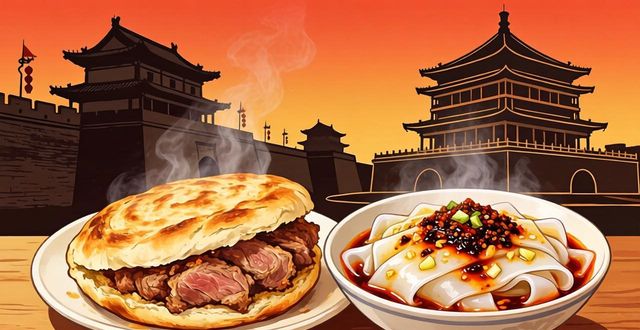
Roujiamo is often called the Chinese hamburger, but that description doesn’t do it justice. It starts with a flatbread baked until crispy on the outside and soft inside, then stuffed with slow-braised pork belly that melts in your mouth. The secret lies in the spice blend used to cook the meat—star anise, cinnamon, ginger, and cloves create a deep, savory flavor that’s both sweet and salty. Some vendors also add green peppers or coriander for extra freshness.
What makes Xi‘an’s Roujiamo unique compared to other regions is the bread-making method. Local bakers use a traditional clay oven to achieve that perfect crunch. You can find stalls that specialize only in Roujiamo, with lines of hungry office workers at noon. To eat it like a local, hold the bun firmly because the juices might drip. I suggest getting one as a quick breakfast or a snack while exploring the city walls. It’s filling, affordable, and unforgettable.
Why Yangrou Paomo is more than just soup
Yangrou Paomo is a dish that requires your participation. You receive a dry, unleavened bread and must crumble it into tiny pieces by hand into a large bowl. Then the cook pours over a rich lamb broth and adds tender slices of lamb, vermicelli noodles, and scallions. The smaller you break the bread, the better it soaks up the soup. This dish originated as a way for Silk Road travelers to have a warm, hearty meal, and the ritual hasn’t changed for centuries.
Eating Yangrou Paomo is a slow, social experience. Locals will spend half an hour crumbling bread while chatting, then wait for the soup to be added. The broth is simmered for hours with lamb bones and over ten Chinese herbs, giving it a gamey yet comforting taste. Some might find the lamb flavor strong, but it’s the essence of northern Chinese cuisine. Order a side of pickled garlic and hot chili paste to customize each bite. This is the ultimate cold-weather comfort food in Xi’an.
Is Liangpi the perfect summer snack
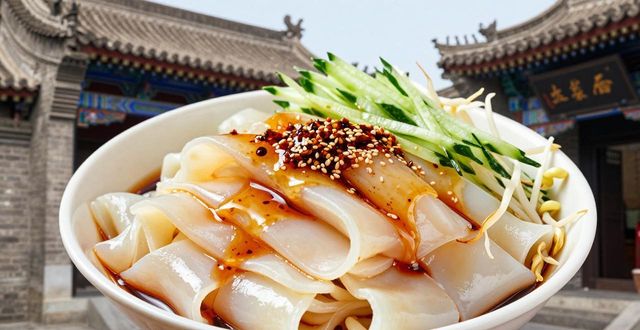
Liangpi,or cold-skin noodles, is a refreshing dish made from wheat or rice flour. The noodles are steamed, peeled off in sheets, then cut into wide strips and chilled. Vendors toss them with cucumber shreds, bean sprouts, gluten puffs, and a generous amount of sesame paste, vinegar, garlic water, and chili oil. The result is a tangy, spicy, and nutty flavor that wakes up your appetite on a hot day. You’ll see plastic stools filled with people slurping Liangpi at tiny outdoor stalls.
What makes Xi‘an’s Liangpi stand out is the use of aged vinegar and a special chili oil that’s made with over twenty spices. The texture should be slippery and slightly chewy, not mushy. Some shops offer a drier version called “Han Liangpi” which is even more popular in the city. It’s common to eat Liangpi alongside a cold glass of sour plum drink or iced fermented rice soup. For under a dollar, you get a bowl that’s light yet satisfying. Definitely try it for a quick lunch between sightseeing stops.
So, which of these unique Xi’an foods would you be most excited to try on your next trip? Share your thoughts in the comments, and don‘t forget to like and pass this guide along to fellow food lovers.