
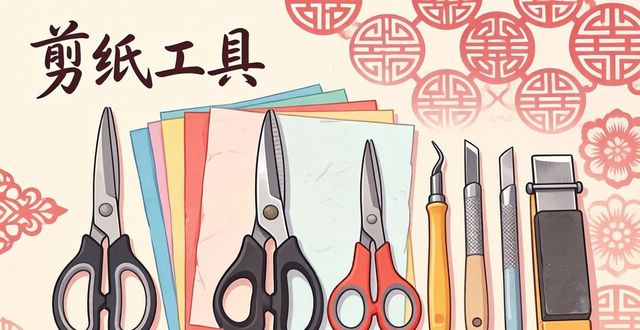
Chinese paper cutting, or jianzhi, is a delicate folk art that has been passed down for centuries. While the designs may look intricate, the tools required are surprisingly simple and affordable. Understanding the right tools not only makes the craft easier but also ensures safety and better results. In this guide, I will walk you through the must‑have equipment, how to choose each piece, and tips for maintaining them. Whether you are a hobbyist or an art teacher, knowing these tools will help you create stunning paper cuts with confidence.
Essential Chinese paper cutting tools
The most basic set includes scissors, a cutting mat, and thin paper. Traditional artisans often use only a pair of sharp, pointed scissors, but modern crafters also add a craft knife for extra detail. You do not need expensive brands to start. A pair of stainless steel embroidery scissors (with fine, sharp tips) works perfectly for most patterns. For the mat,choose a self‑healing rotary mat around A4 size. Paper should be lightweight but sturdy – red rice paper or even ordinary printer paper (70‑80 gsm) is fine for practice. These three items form the core of your toolkit.

Choosing the best scissors for paper cutting
Scissors are the heart of Chinese paper cutting, especially for curved lines and tiny details. Look for scissors with blades no longer than 3 inches (7‑8 cm) and needle‑sharp points. The handles should fit your fingers comfortably; some crafters prefer offset handles that reduce hand fatigue. Avoid kitchen or general‑use scissors – they are too blunt and bulky. Test the scissors by cutting a tight circle: if it tears or requires force, they are not suitable. Brands like Fiskars, Kai, or even vintage surgical scissors can work well. Remember to oil the pivot screw occasionally so the action stays smooth.
Using a cutting mat and craft knife
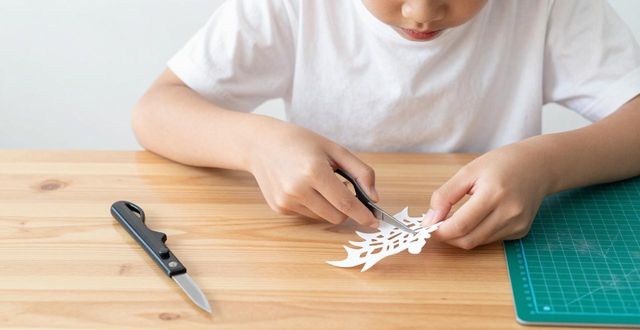
When you move to more complex designs with internal cutouts, a craft knife becomes invaluable. Use a sharp #11 or swivel blade together with a self‑healing cutting mat. The mat protects your table and keeps the blade sharper for longer. Always cut on a flat, stable surface and replace the blade after every few hours of use – a dull blade is more dangerous because it slips easily. Hold the knife like a pen, with light pressure and multiple passes for thick paper. Never cut toward your free hand. For safety, store the knife with its cap on and keep it away from children.
Paper types for Chinese paper cutting
Not all paper is created equal for this art. Traditional xuan paper (rice paper) is thin yet strong, allowing multiple layers to be cut at once. However, it can be expensive and fragile. For beginners, try 65‑80 gsm colored bond paper or washi paper. Red is the classic color, symbolizing luck and joy, but you can experiment with black, gold, or even double‑sided colored sheets. Avoid glossy photo paper – it sticks to blades and causes rough edges. Test your paper by folding it: crisp folds without cracking are ideal. Thicker paper (above 120 gsm) requires stronger scissors or more knife passes.
Caring for your paper cutting tools
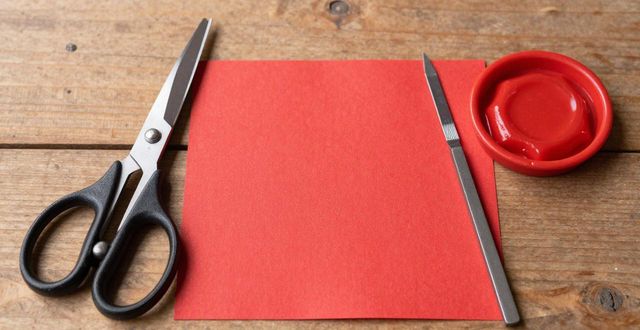
Proper maintenance extends the life of your tools and keeps your cuts clean. After each session, wipe scissors and knife blades with a soft, dry cloth to remove paper dust and adhesive residue. Apply a drop of sewing machine oil to the scissors’ pivot once a month. Store scissors in a protective sleeve or a drawer organizer – never toss them loose in a box. Cutting mats need occasional washing with mild soap and water to remove cut lines that may trap dirt. Replace the mat when it no longer self‑heals (deep grooves remain). With good care, a quality set of Chinese paper cutting tools can last a decade or more.
Now that you know the essential tools, which one do you find most confusing or difficult to choose? Share your thoughts in the comments below, and don’t forget to like and share this guide with fellow paper art lovers!