
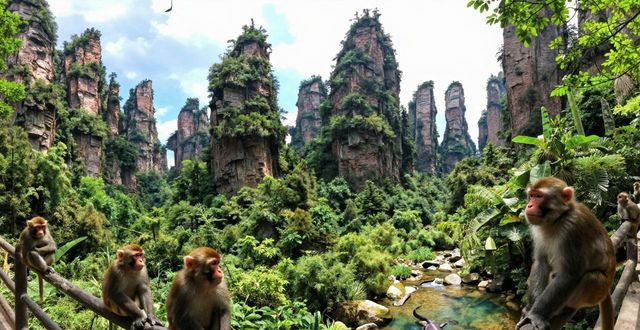
Zhangjiajie National Forest is China’s first authorized national forest park, a geological masterpiece that inspired the floating Hallelujah Mountains in James Cameron’s Avatar. Located in Hunan Province, this UNESCO World Heritage site features over 3,000 quartz-sandstone pillars, some reaching nearly 1,000 meters into the sky. For foreign travelers, it offers a surreal hiking experience unlike anywhere else on Earth. Whether you are a nature photographer, an adventure seeker, or a movie fan, this guide will help you plan a memorable trip.
What makes the sandstone pillars unique
The towering pillars of Zhangjiajie were formed through millions of years of water erosion and tectonic activity. Unlike ordinary mountains, these thin, vertical columns are made of dense quartz sandstone, which resists weathering better than surrounding rock. This explains why they stand so dramatically apart, creating a forest of stone that often disappears into low clouds. Scientists compare the formation to a giant “stone forest” that continues to slowly change with every rainfall. For visitors, the visual effect is magical — you might feel like you have stepped onto another planet.

Another fascinating feature is the biodiversity hidden among the peaks. The park hosts over 500 types of trees and many rare animals, such as the Rhesus monkey and the Chinese giant salamander. While hiking, you may spot wild macaques sitting calmly on trail railings. The combination of unique geology and living forest makes Zhangjiajie a living laboratory for both geologists and biologists. No wonder it became a UNESCO site in 1992.
How to reach the Avatar Hallelujah Mountain
The actual mountain that inspired Avatar’s floating rocks is called “Hallelujah Mountain” (formerly Southern Sky Column). To get there, take the Bailong Elevator, the world’s tallest outdoor glass lift, which shoots you up 326 meters in just two minutes. The elevator ride itself offers jaw-dropping views of the pillars rushing past your window. Once on top, follow the marked boardwalks that connect different viewpoints. The most famous spot is the “Avatar Hallelujah Mountain Viewing Platform,” where you can see the pillar from the movie’s angle.
For a more adventurous route, hike from Yuanjiajie scenic area. The path takes about 1.5 hours uphill, but you’ll pass through natural stone bridges and quiet forests. Alternatively, take a shuttle bus within the park to the “Mist Pavilion,” then walk 20 minutes to the platform. Arrive early morning or late afternoon to avoid crowds and catch the best light. Remember that Chinese holidays like National Day (October 1st) bring massive crowds, so plan weekdays if possible.
Best season for photography and hiking
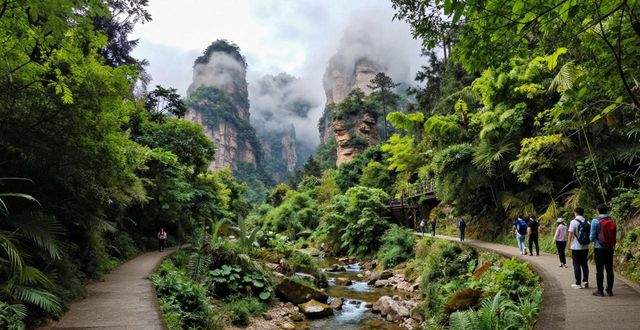
Spring (April to June) is arguably the best time to visit Zhangjiajie National Forest. The weather is mild,with temperatures around 15–25°C, and the hills are covered in fresh green leaves and wild azaleas. Morning mists are frequent but not too thick, creating the perfect dreamy atmosphere for photography. Summer (July to August) is hot and humid, often with sudden thunderstorms that can reduce visibility. However, summer also brings dramatic cloud movements that make the pillars appear to float one moment and vanish the next.
Autumn (September to November) offers clear blue skies and crisp air, ideal for long-distance views. The foliage turns golden and red, contrasting beautifully with the grey stone pillars. Winter (December to February) is cold and sometimes snowy, but very few tourists come then. If you are lucky to visit after a snowfall, you will see the peaks wearing white caps – a rare and magical sight. For most travelers, late spring and early autumn provide the best balance of comfortable weather and stunning scenery.
Where to stay and local food tips
Most visitors base themselves in Wulingyuan Town, just outside the park entrance. The town offers everything from budget hostels to five-star resorts like the Pullman Zhangjiajie. For a unique experience, book a room in the park’s only hotel, the Zhangjiajie National Forest Park Hotel (formerly Qinghe Hotel), but note that spaces are very limited and need booking months ahead. Staying inside the park allows you to wake up before the shuttle buses arrive and have the trails almost to yourself – a priceless advantage for photographers.
When it comes to food, try local specialties like Tujia cured meat (smoked pork with chili), spicy sour fish soup, and fried wild rice cakes. The Tujia ethnic minority, native to this region, also offers a dish called “Ge’ge” – sticky rice wrapped in bamboo leaves. Street stalls near the park gates sell grilled corn on the cob and sweet potato noodles. Avoid the overpriced restaurants right at the elevator exits; instead, walk five minutes away for authentic and cheaper meals. Remember to carry water and snacks because within the park, options are limited and expensive.
Have you ever dreamed of standing on a floating mountain from Avatar? Share your own Zhangjiajie story or ask your questions in the comments below, and don’t forget to share this guide with fellow adventure lovers!