

Yunnan Province in southwestern China is renowned for its stunning natural landscapes and rich ethnic diversity. Among its many treasures are the ancient towns—living museums where history, culture, and daily life intertwine. These towns offer foreign travelers an authentic glimpse into China’s past, far from the bustling mega-cities. From the cobblestone alleys of Lijiang to the serene canals of Dali, each destination has a unique story to tell. In this guide, I’ll share essential insights and practical tips to help you explore Yunnan’s most captivating ancient towns like a seasoned traveler.
What makes Lijiang old town so special
Lijiang’s Old Town, a UNESCO World Heritage site, is famous for its intricate waterway system and Naxi ethnic heritage. The town’s layout follows no city walls—a deliberate choice by the ruling Mu family to symbolize openness. As you wander through Sifang Street, you’ll hear the gentle rush of canals that once powered grain mills. Many buildings feature traditional wooden carvings and hanging eaves, with some guesthouses dating back 300 years. Be mindful that the town gets crowded by midday, so visit early morning or late evening to experience its peaceful soul.

Beyond architecture, Lijiang offers a living culture through Dongba script, the world’s only pictographic writing still in use. Local Naxi women in blue aprons sell handmade embroidery and baba (wheat cakes) from tiny stalls. A short hike up Lion Hill rewards you with a panoramic view of the tiled rooftops against Jade Dragon Snow Mountain. However, avoid the overly commercialized bars on main streets; instead, duck into small tea houses where owners will brew pu’er tea and share legends of the Tea Horse Road. One tip: buy a hand-drawn map from the heritage center to discover hidden courtyards most tourists miss.
How to explore Dali ancient town like a local
Dali Ancient Town sits between Cangshan Mountain and Erhai Lake, offering a laid-back vibe that attracts artists and yogis from around the world. Unlike Lijiang, Dali’s streets are broader and less hurried, built around the Bai ethnic minority’s love for open markets and floral gardens. Start your day at the North Gate Market, where farmers sell wild mushrooms, fresh goat cheese, and rose-flavored pastries. Then rent a bicycle and ride along the ecological corridor of Erhai Lake—you’ll pass fishing villages where Bai women still tie their hair with silver hairpins and dry fish on bamboo racks.
The town’s signature feature is the three pagodas of Chongsheng Temple, visible from almost any rooftop. For a true local experience, avoid the tourist trinket shops on Foreigner Street (called “Yangren Jie”). Instead, join a Bai tie-dye workshop in nearby Zhoucheng village, where you can create a blue-and-white scarf using natural indigo. Many homestay owners offer free cooking classes to teach you how to make “sour-spicy fish” from Erhai catch. Remember that Dali is best explored without a rigid plan—just follow the sound of erhu (two-stringed fiddle) drifting from a courtyard teahouse, and you’ll find unexpected charm.
Why Shaxi on the Tea Horse Road deserves your time
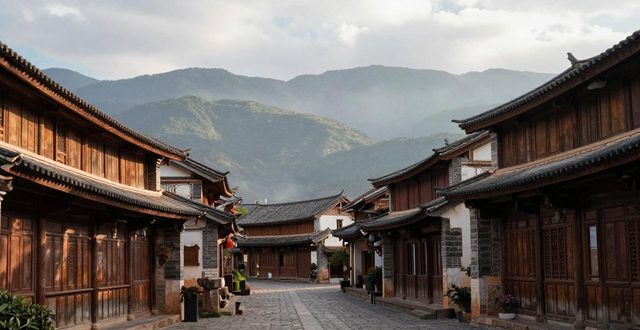
Shaxi is a hidden gem that most travelers skip because it requires extra effort to reach—and that’s precisely its appeal. This town was a bustling relay station on the ancient Tea Horse Road, where caravans swapped Yunnan tea for Tibetan horses. The centerpiece is Sideng Square, a rare surviving horse-trading plaza surrounded by old stagecoach inns and a 600-year-old theater. Unlike restored towns, Shaxi feels alive: farmers lead donkeys through the archway each morning, and elderly men play chess under the camphor trees. The weekly Friday market draws Bai, Yi, and Tibetan merchants selling everything from dried matsutake to hand-forged knives.
What truly sets Shaxi apart is its integration with nature. The town sits in a valley with farmlands stretching to the foothills of Shibao Mountain, which holds grottoes carved during the Tang Dynasty. A two-hour hike up the mountain takes you to a cliffside temple where monks still chant at dawn. For accommodations, choose a family-run inn rather than a chain hotel—the owner will likely invite you to breakfast of buckwheat pancakes and homebrewed sorghum wine. Travelers often ask if the long bus ride from Dali (over three hours) is worth it. The answer is yes: Shaxi offers the most authentic, unpolished ancient town experience in all of Yunnan.
Other ancient towns worth adding to your itinerary
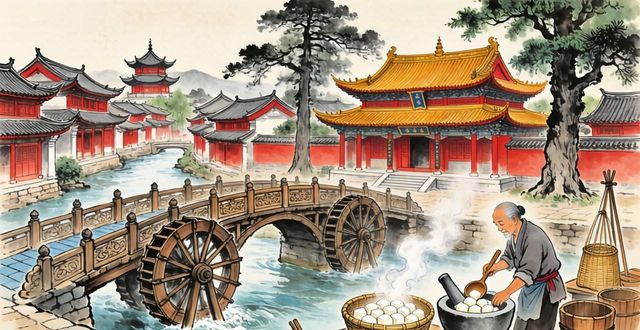
Besides the famous trio, Yunnan has lesser-known towns that reward the adventurous traveler. Jianshui, a four-hour drive south of Kunming,boasts a double-sprocket bridge built during the Qing Dynasty and a Confucian temple second only to Qufu’s. The local specialty is “tofu balls” fermented in well water, sold from smoky street carts near the ancient city gate. Another hidden treasure is Nuodeng, a Bai village perched on a mountain ridge, known for its salt wells and ham that rivals Spanish jamón. You’ll need to hire a local guide to find the old cellars underground, but the taste of aged ham sliced paper-thin is unforgettable.
For those with more time, Weishan is the former capital of the Nanzhao Kingdom, predating Dali’s rise. Its main street remains unpaved, and shops sell incense and paper offerings for ancestor worship just as they did 500 years ago. The weekly horse fair draws Yi people in elaborate silver headdresses who still trade using hand signals under a banyan tree. When visiting these smaller towns, learn basic Mandarin phrases like “duō shǎo qián” (how much) and respect local customs—such as removing shoes before entering a home’s inner courtyard. Bringing small gifts like keychain flashlights for children can open doors to genuine interactions.
Have you ever wandered through a living ancient town where history isn’t locked behind museum glass but breathes in every alley, market, and smile? Share your own discoveries or ask me about transportation hacks in the comments below—and if this guide helped you, please give it a like and share it with fellow travelers dreaming of Yunnan!