

Chengdu, the capital of Sichuan Province, is a city where ancient alleyways meet neon-lit skyscrapers and spicy hotpot steam rises alongside jasmine tea. As the undisputed home of giant pandas and UNESCO’s first “City of Gastronomy,” Chengdu offers travelers a uniquely relaxed yet vibrant Chinese experience. Whether you’re planning a short stopover or a deep dive into southwestern China, understanding the local rhythms, food culture, and practical logistics will transform your trip. This guide covers the best times to visit,how to see pandas without the stress, what dishes you absolutely cannot miss, and insider tips to help you travel like a local.
Best Time for Chengdu Travel
Spring (March to May) and autumn (September to November) are hands-down the best seasons for Chengdu travel. During these months, temperatures stay between 15–25°C (59–77°F), humidity is low, and the frequent gray skies give way to sunny, clear days. The mild weather makes outdoor exploring a joy, whether you’re wandering through the bamboo groves at the Panda Base or sipping tea in People’s Park. Spring also brings blooming flowers, while autumn offers golden ginkgo leaves lining the city’s boulevards.

Summer (June to August) is hot, sticky, and prone to sudden downpours, though evening street food scenes thrive. Winter (December to February) is chilly and often foggy, but you’ll face far fewer tourists and cheaper flights. For most foreign travelers, late spring or early autumn provides the perfect balance of comfortable weather, lively atmosphere, and manageable crowds. Avoid China’s national holiday weeks (first week of May and October) if you dislike queuing for hours at popular sites.
How to Get to Chengdu Panda Base
The Chengdu Research Base of Giant Panda Breeding is the number one reason many people book Chengdu travel. Located about 10 kilometers north of the city center, it’s easy to reach without a tour group. Take Metro Line 3 to Panda Avenue Station (Exit A). Once you exit, look for free green shuttle buses that run every 10–15 minutes from 7:30 AM to 5:00 PM. The ride takes less than five minutes. Alternatively, direct tourist buses depart from Kuanzhai Alley, Chunxi Road, and Wuhou Temple for around 5 RMB (less than $1 USD).
Arrive before 8:30 AM – pandas are most active during the morning feeding hours. By 10:30 AM, they usually retreat into air-conditioned dens or nap in trees. Tickets cost 55 RMB (about $8 USD) during peak season, with half-price for students and children. Weekdays are far less crowded than weekends. If you visit between July and September, you may spot tiny pink panda cubs in the nursery. Plan at least three hours to fully explore the base, including the red panda area and the panda museum.
What to Eat in Chengdu
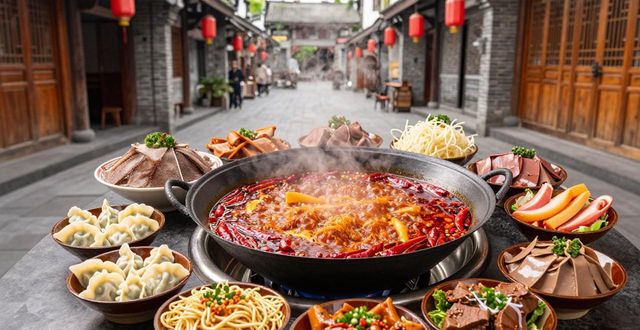
Chengdu’s food is legendary for its “mala” flavor – the numbing spice of Sichuan peppercorns combined with fiery chili oil. No Chengdu travel experience is complete without hotpot. You sit around a bubbling metal pot divided into spicy and mild broths, then cook skewers of beef, lotus root, tripe, and mushrooms. Many restaurants offer an English menu, but a safe order is “yuan yang guo” (half-and-half pot). For a less intense start, try maocai (a personal bowl of mixed ingredients in spicy broth) or chuanchuan (skewers priced by the stick).
Must-try dishes also include dan dan noodles (peanut-sesame noodles with minced pork), mapo tofu (silken tofu in a bean sauce that bites back), and twice-cooked pork (hui guo rou). Adventurous eaters should sample rabbit heads – a local favorite that requires picking meat from the skull. For authentic street food, head to Jinli Ancient Street, Kuanzhai Alley, or the Yulin District. Start with mild versions and ask for “wei la” (a little spicy) until you build tolerance. And never leave without trying sweet water noodles (tian shui mian) – a chewy, sweet-spicy noodle dish unique to Chengdu.
Local Tips for Chengdu Travel

To truly experience Chengdu’s laid-back culture, slow down. Locals say the city’s motto is “bai tan” (just relax). Spend an afternoon at Heming Tea House in People’s Park, where you can sip jasmine tea, watch retirees play mahjong, and even get your ears cleaned – a surprisingly relaxing local service. Learn a few Mandarin phrases: “ni hao” (hello), “xie xie” (thank you), and “mai dan” (bill, please). Most young people speak basic English, but having these words earns smiles and better service.
For payments, WeChat Pay and Alipay dominate, but international credit cards rarely work. Download Alipay and link it to your card before departure, or carry cash (ATMs accept foreign cards). The subway system is clean, cheap (2–6 RMB per ride), and fully signed in English. Use Didi, the Chinese Uber, through the Alipay mini-program – it’s safer than hailing street taxis. Consider a day trip to Leshan Giant Buddha (1 hour by high-speed train) or Dujiangyan irrigation system (30 minutes by bullet train). Finally, pack layers and an umbrella – Chengdu weather changes fast, but that never stops locals from sitting outside to enjoy their tea.
What’s the one Chengdu food or activity you’re most excited to try – pandas, hotpot, or a lazy tea house afternoon? Drop your answer in the comments, and if this guide helped you plan, give it a like and share it with a friend who’s dreaming of Chengdu travel!