
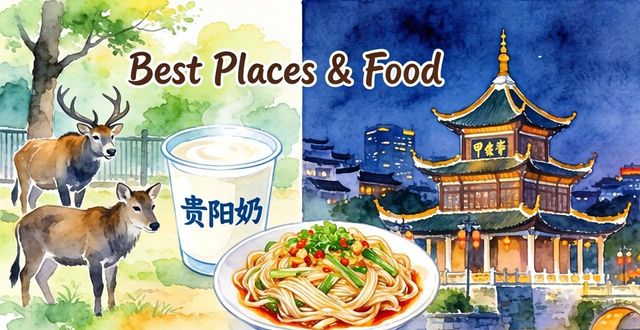
Guiyang, the capital of Guizhou province in southwest China, often flies under the radar for international travelers. Yet this lively city offers a perfect mix of natural karst landscapes, rich minority cultures, and a food scene that will surprise you. Unlike crowded tourist hubs like Beijing or Shanghai, Guiyang gives you an authentic taste of modern and traditional China. Whether you’re a backpacker on a budget or a culture enthusiast, this guide will help you plan your trip with practical tips on when to visit, where to go, what to eat, and how to get around.
Best time to visit Guiyang for good weather and fewer crowds

The ideal months to explore Guiyang are from April to June and September to October. During these periods, temperatures stay comfortable between 15°C and 25°C, and rainfall is lower than the summer peak. Summer (July to August) can be surprisingly rainy and humid, but many Chinese tourists flock here to escape the heat of other cities, so expect crowds and higher hotel prices. Winter (November to February) is chilly and damp, but you’ll enjoy empty attractions and discounted flights. If you love festivals, plan around the Miao New Year (usually in November) or the Sister’s Meal Festival in spring. Keep in mind that Guiyang is known as “the city of rain” – always pack a foldable umbrella and a light waterproof jacket, no matter the season.
Top attractions in Guiyang that you shouldn’t miss
Start your journey at Jiaxiu Tower, the iconic symbol of Guiyang built during the Ming Dynasty. This three-story wooden tower sits on a stone pier in the Nanming River, and it looks especially magical when lit up at night. The surrounding park is free and perfect for a morning walk or people-watching. Next, head to Qianling Mountain Park,a massive urban park where you can hike up to the Hongfu Temple, feed cheeky wild monkeys, and get a panoramic view of the entire city. The cable car saves energy, but the stairway path lets you experience the forest and local worshippers. For a dose of history and minority culture, visit the Guizhou Provincial Museum. Its exhibits cover the fascinating traditions of the Miao, Dong, and Yi ethnic groups, including intricate silver ornaments and batik textiles – don’t skip the fourth floor.
What to eat in Guiyang – a spicy and sour adventure
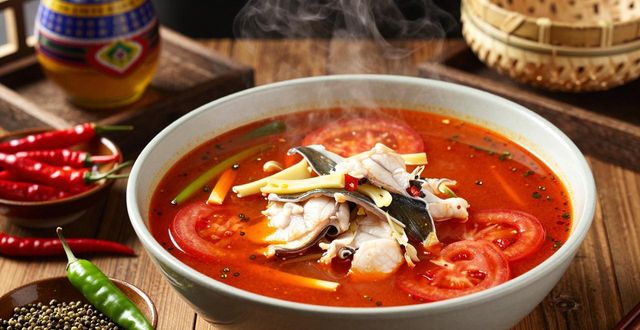
Guiyang’s cuisine is the heart of Guizhou food, famous for its signature “sour and spicy” flavor (suān là). Your first must-try is Sour Fish Hotpot (suān tāng yú), where fresh river fish simmers in a fermented tomato and chili broth. The tangy soup is incredibly addictive – locals drink it like a soup course. Another local legend is Changwang Noodles (cháng wàng miàn), which translates to “intestine and blood noodle.” Don’t let the name scare you; the chewy noodles come with braised pork intestine and congealed duck blood, topped with a fragrant chili oil. It’s a breakfast staple. For a quick snack, grab Siwawa (sī wá wa), which means “silk baby” – a thin crepe wrapped around shredded vegetables and drizzled with peanut sauce and spicy dressing. Finish with a bowl of ice-corn soup (bīng jiāng mǐ nuò), a sweet and refreshing dessert made from sticky rice and fermented rice wine.
How to get around Guiyang like a local tourist
Guiyang Longdongbao International Airport connects to major Asian cities like Bangkok, Seoul, and Singapore, plus dozens of domestic destinations. From the airport, take the metro Line 2 directly into the city center – it costs less than $2 and takes about 30 minutes. Taxis and Didi (China’s Uber) are widely available, but make sure your destination is written in Chinese characters, as few drivers speak English. The city’s metro system now has three lines covering most attractions, and you can pay by scanning a QR code on Alipay or WeChat. For short distances, consider shared e-bikes (like HelloBike) – just download the app and verify your passport. Walking is surprisingly pleasant in areas like the historic Wenchang Road and the riverfront promenade. Avoid driving yourself because traffic signs are only in Chinese, and parking is a nightmare near popular spots.
Before you pack your bags, here’s a question for you: Would you rather explore Guiyang’s ancient towers and wild monkeys first, or dive straight into a bubbling sour fish hotpot? Drop your answer in the comments, and don’t forget to share this guide with your travel buddies – your perfect Guiyang adventure is just one click away!