
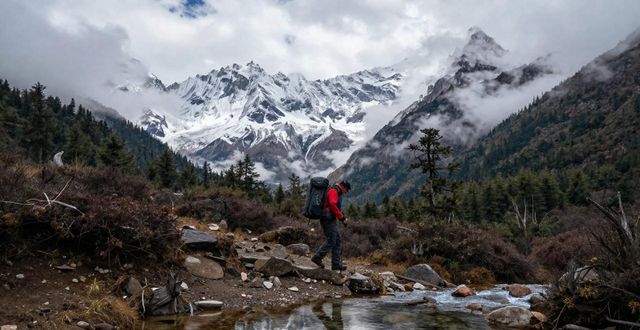
When most people think of hiking in China, they picture the Great Wall or the Tiger Leaping Gorge. But beyond these famous trails lie some of the world’s most remote and untouched mountain ranges. From the snow‑capped peaks of Sichuan to the hidden valleys of Yunnan, hiking remote China mountains offers a raw, authentic adventure that few Western travelers have experienced. In this guide, I’ll share practical insights on where to go, how to prepare, and what to expect when you step off the beaten path.
What permits do I need for remote mountain hiking in China

Hiking in remote areas often requires special permits beyond the standard tourist visa. For regions near sensitive borders (like Tibet, Xinjiang, or western Sichuan), you’ll need a Tibet Travel Permit or a military area permit. These are usually arranged through a registered travel agency. For less restricted zones such as the Qionglai Mountains or the Daxue Range, a simple Alien Travel Permit from the local Public Security Bureau may suffice. Always check current regulations at least two months before your trip, as rules change frequently. Hiring a local guide can save you weeks of paperwork and legal headaches.
When is the best season for high‑altitude trekking
Timing is everything when hiking remote China mountains. The ideal window runs from late May to early October, with September being the absolute sweet spot. During this month, summer rains have faded, trails are dry, and the autumn foliage paints the valleys in gold and crimson. Avoid July and August unless you enjoy constant downpours and leeches. Winter hikes (November to April) are possible only for experienced mountaineers – temperatures can drop to -20°C, and many passes are blocked by snow. Always check local weather patterns, as microclimates vary wildly between ranges.
How to find reliable local guides and logistics
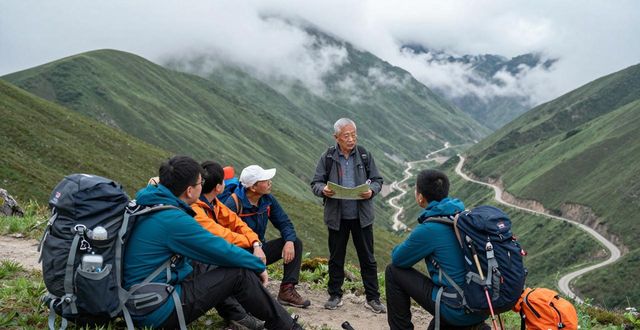
In truly remote mountains, you won’t find trailheads marked on Google Maps or signs in English. Your best resource is the local Tibetan or Yi minority villages. Start by contacting a reputable agency in Chengdu, Lijiang, or Kangding – they can connect you with village‑based guides who know every hidden spring and emergency shelter. Expect to pay $50–80 per day for a guide and another $40 for a packhorse. Never go alone into unmonitored high‑altitude zones; Chinese rescue services are limited outside tourist hotspots. Also, download offline maps (Maps.me or AllTrails) and carry a satellite messenger – cell coverage ends the moment you leave the valley floor.
What essential gear do you need for self‑supported treks
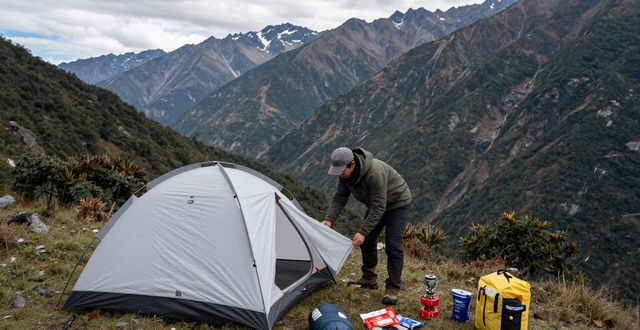
Forget lightweight luxury – remote Chinese mountains demand robust, self‑supporting gear. A four‑season tent,a sleeping bag rated to -10°C (or lower), and a high‑altitude stove are non‑negotiable. Many trails have no resupply points for five to seven days, so pack dehydrated meals and a water filter (streams are clean but carry bacteria from yaks). Boots must be broken‑in, with aggressive tread for loose scree and muddy slopes. Layer up: merino wool base, fleece mid‑layer, and a hard shell for sudden hailstorms. Finally, bring a power bank of at least 20,000 mAh – your phone will be your only navigation tool and emergency beacon.
Have you ever attempted a multi‑day trek in a region with no marked trails or cell service? Share your story or questions in the comments below – and if you found this guide helpful, give it a like and pass it on to a fellow adventurer.