
Beijing’s culinary scene is far more than just Peking duck. Beneath the surface lies a world of truly unique foods that have been enjoyed by locals for centuries. These dishes may seem unusual at first, but they offer an authentic taste of the city’s history, culture, and daily life. This guide will take you through the most distinctive eats in Beijing, from breakfast stalls to late-night snacks.
What is the strangest breakfast in Beijing
The undisputed king of strange Beijing breakfasts is douzhi, a fermented mung bean milk. It has a grey-green color and a sour, slightly tangy flavor that shocks many first-timers. Locals love it with crispy jiaoquan (fried dough rings) and pickled turnip shreds. Don’t expect sweetness or creaminess here – douzhi is an acquired taste that rewards adventurous eaters. Many small breakfast shops in hutongs serve it daily, and watching elderly Beijingers slurp it with joy is part of the experience.
Another morning classic is nao baiye, a thick garlicky soup made from lamb tripe and tofu. The soup is starch-thickened and loaded with tender tripe strips, tofu chunks, and a generous spoonful of sesame paste and garlic sauce. It’s hearty, savory, and deeply warming on a cold Beijing morning. While it may sound intimidating, the texture is smooth and the flavor surprisingly comforting. Try it at Huguosi Snacks, a chain known for keeping old traditions alive.
Where to find authentic Beijing snack streets
Niujie, or the Ox Street Muslim quarter, is the best place to hunt down unique Beijing snacks without tourist traps. Here you’ll find luluohu, which are spiral-shell-shaped baked pastries filled with sweetened bean paste. More exciting is douzhi suan niurou, a cold appetizer of sliced beef preserved in fermented bean curd liquid – it’s sour, salty, and utterly unlike anything Western. The narrow lane is packed with small shops that have operated for decades, so follow the line of elderly locals.
For a more chaotic but genuine experience, head to Guijie Street at night. This famous food street glows with red lanterns and stalls selling lao hu beng, or “tiger bouncing” pork pancakes. The name comes from the way the stewed pork belly and pickled greens bounce when you bite into the crispy flatbread. Another must-try is ma doufu, a stir-fry of fermented tofu and green beans that smells pungent but tastes like umami-rich magic. Don’t be shy – just point and eat.

Why is fermented tofu so popular in Beijing
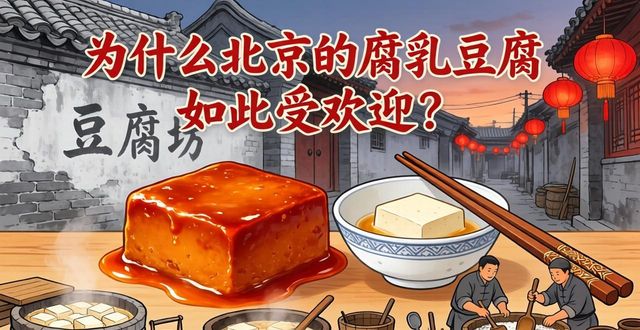
Fermented tofu, or furu, is a staple condiment that often confuses foreign visitors. It comes as small cubes of tofu aged in rice wine, salt, and spices until they turn soft and creamy. Beijingers eat it plain with mantou (steamed buns) or spread it on porridge. The taste is intensely salty, slightly sweet, and almost cheese-like – some even call it “Chinese blue cheese.” Though the smell can be strong, locals swear it aids digestion and adds depth to any simple carb dish.
A specific Beijing take is red furu, which uses red yeast rice for fermentation. This variety is commonly used to braise pork belly for hong shao rou, but true locals also smash it into hot water as a soup base. The result is a murky red broth that tastes funky, savory, and surprisingly addictive. You can buy jars of furu at any wet market, and many hostels’ shared kitchens will let you try it. It’s a low-risk, high-reward adventure for your palate.
How to eat zhajiangmian like a Beijinger
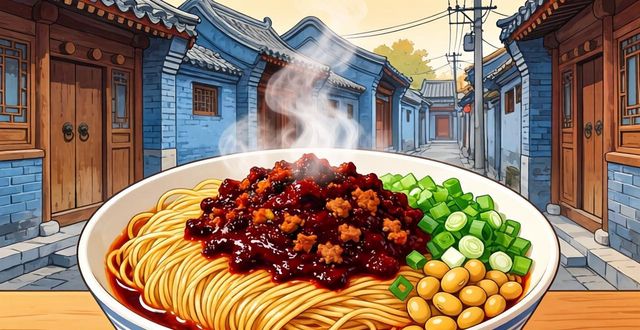
Zhajiangmian, or fried sauce noodles,looks simple but holds a unique place in Beijing’s food heart. The key is the sauce – fermented soybean paste fried with ground pork until dark, aromatic, and intensely savory. Unlike Korean versions, Beijing’s zhajiangmian uses a paste that is saltier and less sweet. Noodles are thick and hand-pulled, topped with thin shreds of cucumber, radish, and bean sprouts. The proper way to eat it is mixing vigorously until every noodle is coated, then slurping loudly – silence is considered rude.
What makes this dish truly unique is the addition of suan (raw garlic cloves). Locals will bite into a whole garlic clove between noodle slurps, crunching away happily. This practice shocks many foreigners, but the sharp kick of raw garlic perfectly cuts through the rich sauce. You can find zhajiangmian at countless hole-in-the-wall shops, especially on Wenjin Street near the old imperial city. Order it “guo er” (extra sauce) if you want the real deal.
These unique Beijing foods may challenge your comfort zone, but they represent the soul of this ancient capital. Which one are you brave enough to try first? Share your thoughts and food adventures in the comments below. Don’t forget to like and share this guide with fellow food explorers.