
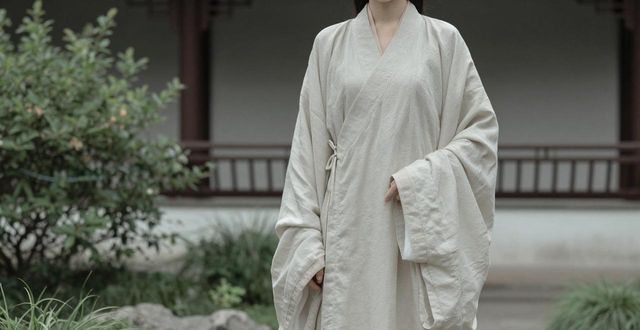
Hanfu, the traditional clothing of the Han Chinese, has a history spanning over four thousand years. Unlike costume drama outfits or modern reinterpretations, authentic Hanfu styles follow strict historical patterns, construction methods, and cultural meanings. This guide will walk you through the real characteristics of genuine Hanfu, helping you distinguish tradition from fantasy.
What defines authentic Hanfu construction

Authentic Hanfu is never one-size-fits-all or made from cheap synthetic fabrics. Traditional pieces use natural materials like silk, linen, cotton, and ramie. The cutting technique follows a unique flat-pattern system without darts or curved seams, creating a flowing, rectangular silhouette. Key features include the jiaoling youren (crossed collar wrapping to the right), wide sleeves, and a sash instead of buttons. These elements date back to the Shang and Zhou dynasties and remained consistent until the Qing dynasty. Modern replicas that use elastic bands, zippers, or left-sided collars are not considered authentic.
How to identify different dynastic Hanfu styles
Each Chinese dynasty developed distinct Hanfu variations. The Han dynasty favored the quju (curved hem robe) and zhiju (straight hem robe), both with layered wrapping. The Tang dynasty is famous for the qixiong ruqun (chest-high skirt and blouse), known for its bold colors and open neckline, reflecting a cosmopolitan era. The Song dynasty introduced more modest, narrow-sleeved beizi (jackets) and straight-cut skirts in muted tones. The Ming dynasty revived earlier forms and added the round-collar robe and the bijia (sleeveless vest). When shopping for authentic pieces, always check which dynasty a style belongs to and verify its period-appropriate collar, sleeve shape, and hem length.
Why fabric and color matter in authentic Hanfu
Authentic Hanfu uses strictly regulated colors based on historical dyeing techniques. Indigo, saffron, hematite, and plant-based greens were common, while bright neon or metallic shades are modern inventions. Silk was reserved for nobility, while commoners wore hemp or cotton. The number of layers also carried meaning—officials and scholars wore multiple overlapping robes, while laborers wore single-layer garments. Many so-called “Hanfu” sold online today use polyester and digital prints of dragons or phoenixes, which have no historical basis. Real patterns include geometric clouds, scattered flowers, or plain weaves. Always ask for close-up photos of fabric texture before buying.
Where to buy genuine Hanfu online
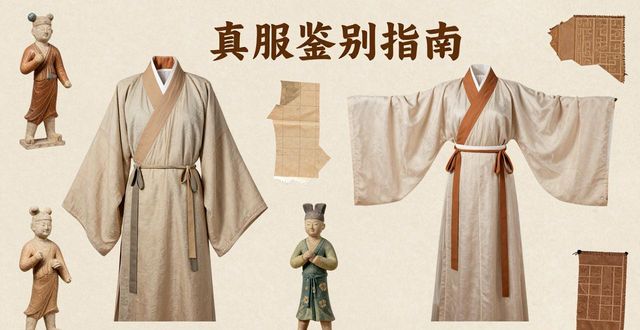
Most mainstream e-commerce platforms sell costume-quality Hanfu that fails authenticity tests. Look for specialty stores that provide detailed descriptions of dynasty, fabric source, and construction method. Reputable sellers often include references to historical artifacts or tomb excavations. Small workshops in Suzhou and Hangzhou, known for traditional silk weaving, produce the most accurate reproductions. Avoid items priced below $50, as authentic materials and hand-stitching cost much more. Also check for return policies and customer reviews with real photos. For beginners, start with a Song or Ming dynasty outfit,as these are better documented and easier to verify.
Have you ever tried on a real piece of Hanfu, or do you prefer modern adaptations? Share your thoughts and questions in the comments below—and don’t forget to like and share this guide with fellow history lovers.