
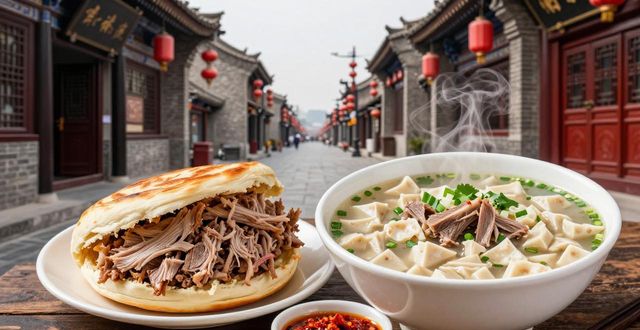
When people talk about Chinese cuisine, they often mention Beijing duck or Sichuan hotpot, but Xi’an, the ancient capital of thirteen dynasties, offers a food culture that is equally rich and deeply tied to the Silk Road. As a local who has grown up eating these dishes, I can tell you that Xi’an’s food specialties are a unique blend of Central Plains flavors and Muslim influences, creating a world of bold spices, hearty noodles, and savory meats. From tearing apart a crispy bread into a lamb soup to folding a “Chinese hamburger” stuffed with braised pork, every bite tells a story of history and tradition. In this guide, I’ll walk you through the must-try dishes and answer the questions most travelers ask before they arrive.
What Is Yangrou Paomo and How to Eat It
Yangrou Paomo is not just a soup; it’s an interactive dining ritual that has been enjoyed in Xi’an for over a thousand years. The name literally means “lamb soup with crumbled bread,” but the real magic happens when you get your hands on the unleavened flatbread. You are expected to tear the bread into tiny, pea-sized pieces by hand—this is not a rushed task, and locals believe the smaller you crumble, the better the soup absorbs into each morsel. Once your bowl is filled with bread bits, the kitchen pours a hot, rich lamb broth over it, adding tender slices of lamb, vermicelli noodles, and a sprinkle of cilantro.

The key to enjoying this dish is to mix in the accompanying condiments: pickled garlic, chili sauce, and a special fermented bean curd. Take a spoonful of the soup-soaked bread, and you’ll taste a deep, earthy lamb flavor balanced by the tangy pickles. Many first-timers make the mistake of eating it like a regular soup, but the correct way is to scoop from the edge of the bowl to keep it hot. Locals often have this for breakfast or lunch, especially on cold days. If you want an authentic experience, head to Laosunjia on Xidajie, where they have been perfecting this dish for over a century.
Why Biangbiang Noodles Are a Must-Try
Biangbiang noodles are famous for two things: their ridiculous, unpronounceable name and their incredible texture. The character “biang” has over 50 strokes and cannot be typed on a standard keyboard, but locals learn a rhyme to remember it. These noodles are hand-pulled into thick, wide ribbons—almost like belts—and each noodle can be up to two feet long. The name itself is onomatopoeic, mimicking the sound the dough makes when it slaps against the counter during preparation. You’ll see chefs rhythmically slapping and stretching the dough, a performance that draws crowds on the street.
The classic way to serve Biangbiang noodles is with a spicy oil dressing, garlic, vinegar, and chili flakes, often topped with braised pork, potatoes, carrots, and a handful of fresh greens. The noodles are chewy and slightly elastic, providing a satisfying resistance when you bite. Unlike thin noodles that become mushy, Biangbiang noodles hold their shape and soak up the sauce beautifully. A common variation is “youpo che mian,” where hot oil is poured over a mound of chili powder and scallions, creating a sizzling aroma. For the best bowl, visit a small hole-in-the-wall shop on the Muslim Street or try the famous Xi’an Noodle King chain. These noodles are a true representation of the bold, rustic flavors of Shaanxi province.
Is Roujiamo Really China’s Hamburger
If you have a craving for something portable and meaty, Roujiamo is your answer. Often called the “Chinese hamburger,” this street food consists of a flatbread bun stuffed generously with slow-braised meat, typically pork. However, because Xi’an has a large Muslim population, you’ll also find versions with beef or lamb. The bun, called “baijimo,” is made from wheat flour and baked in a clay oven until it develops a crispy, slightly charred exterior and a soft, fluffy interior. The meat is simmered for hours in a broth of soy sauce, star anise, ginger, and other spices, becoming so tender that it falls apart with a touch.
What sets Roujiamo apart from a Western burger is the lack of vegetables like lettuce or tomato—it’s pure meat and bread, sometimes with a sprinkle of ground cumin or chili oil. The bun is sliced open, and the meat is roughly chopped with a cleaver, then stuffed in with a drizzle of the braising liquid. The result is a juicy, savory, and incredibly satisfying snack that costs only about 1 to 2 dollars. Locals eat it for breakfast, lunch, or a late-night bite. For the best Roujiamo in Xi’an, skip the tourist spots and go to Fanji at the south gate of the city wall, where they’ve been making this sandwich for over a hundred years. One bite,and you’ll understand why it’s a favorite among taxi drivers and office workers alike.
What Snacks to Try on Muslim Street
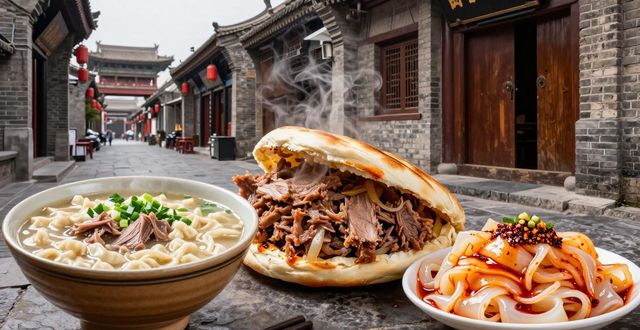
The Muslim Quarter, or Huimin Jie, is a bustling food paradise that comes alive in the evening with hundreds of stalls and sizzling woks. This is where you can taste the unique fusion of Han and Hui Muslim cuisines. Start with “Zenggao,” a sweet steamed rice cake made with red beans, dates, and a layer of glutinous rice, then topped with a rose-flavored honey sauce. It’s soft, sticky, and not too sweet—perfect for a light dessert. Next, try “Liangpi,” cold jelly noodles made from wheat or rice flour, served with a punchy mixture of vinegar, chili oil, cucumber strips, and gluten puffs. The noodles are slippery and refreshing, ideal for a hot day.
Another must-try is “Kao Yangrou,” skewers of lamb or beef rubbed with cumin, chili powder, and salt, then grilled over charcoal. The smell alone will draw you in. Vendors fan the flames as fat drips down, creating a smoky, irresistible aroma. For the adventurous, there are also “Yangrou Zhua” (steamed lamb with bread) and “Xiao Long Tangbao” (soup dumplings) adapted to Muslim halal standards. Don’t leave without trying the pomegranate juice, as Xi’an grows some of the best pomegranates in China. While walking, look for the hand-pulled candy and nut brittle shops. The key to enjoying the Muslim Street is to come hungry, share small portions with friends, and follow the crowds—if a line is long, the food is almost certainly amazing.
Now I’d love to hear from you: Have you tried any of these Xi’an specialties, or is there a local dish from your hometown that you think compares to these? Share your thoughts in the comments, give this article a thumbs-up if you found it helpful, and pass it along to anyone planning a food trip to Xi’an.