
Most travelers hitting the ground running in Shanghai or Chengdu learn one painful truth fast: your Google Maps and tabs won’t save you. After five years bouncing around Chinese cities, I’ve built a small stack of apps that genuinely makes navigating here feel local. Here’s what actually works.
Which travel apps work in China
Amap (Gaode) is the backbone. Every cab driver, every delivery guy, every grandmother strolling the park pulls it up for directions. It handles buses, walking routes, and bike-share stations in real time,and the interface is now decently bilingual.

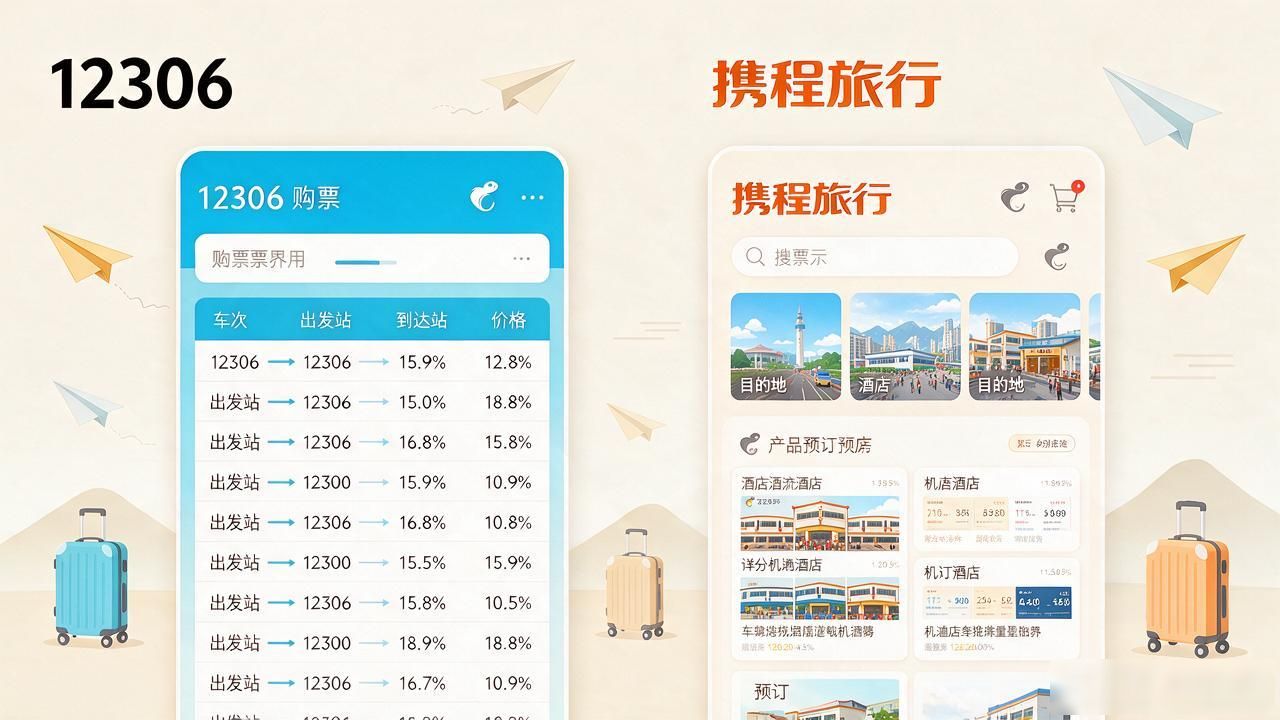
For flights and trains, 12306 remains the official rail booking portal—clunky, but the only one that sells real seats. I pair it with Ctrip, which bundles hotels, domestic flights, and those tiny local tours you’ll never find on western platforms.
Are travel apps in China English friendly
Short answer: mostly, and getting better. Alipay and WeChat Pay both carry full English UIs now, which is critical because cash has essentially vanished from daily life. You need to link a foreign card or load a virtual account before you even land.
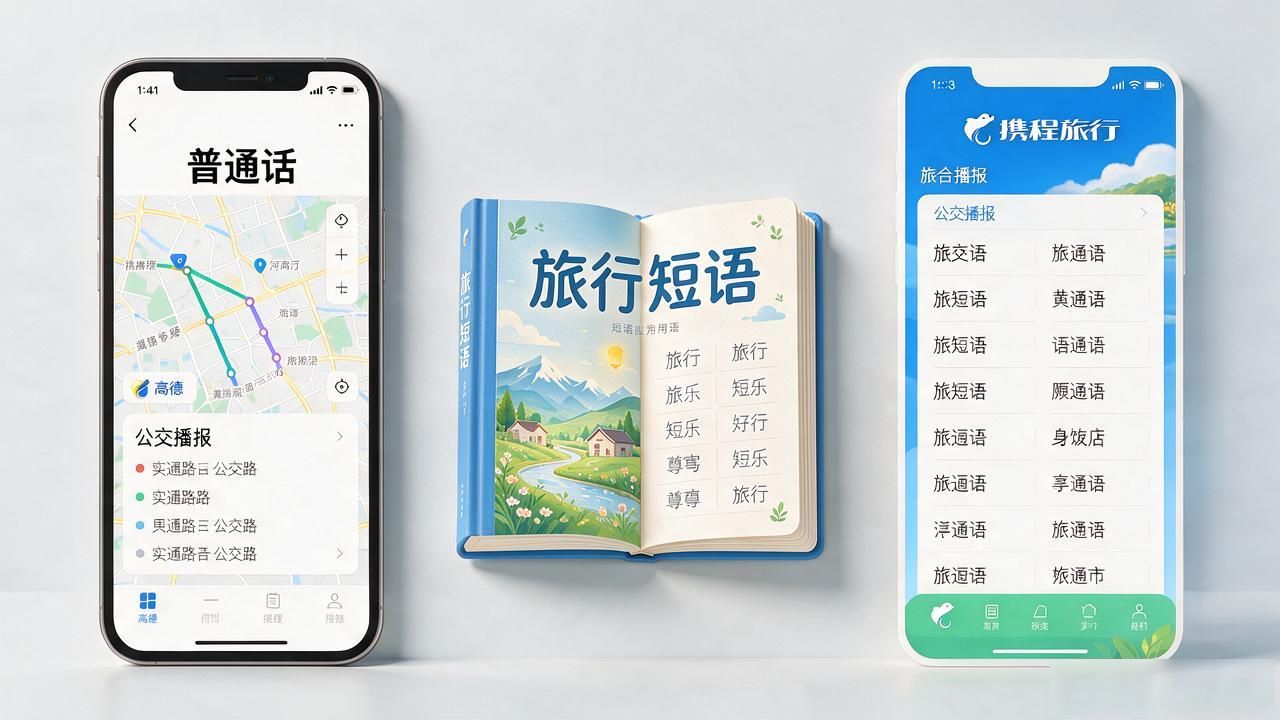
The gap shows up in hyperlocal content. Amap’s bus announcements still default to Mandarin, and smaller Ctrip listings often only have Chinese descriptions. A phrasebook app paired alongside them covers the blanks without issue.
What travel apps do Chinese locals use
Douban feels like a cross between Goodreads and a lifestyle forum—people rate restaurants, plan trips, debate which city to move to. Xiaohongshu (Little Red Book) is where actual trip itineraries live, full of day-by-day photo logs from regular travelers rather than polished influencer content.
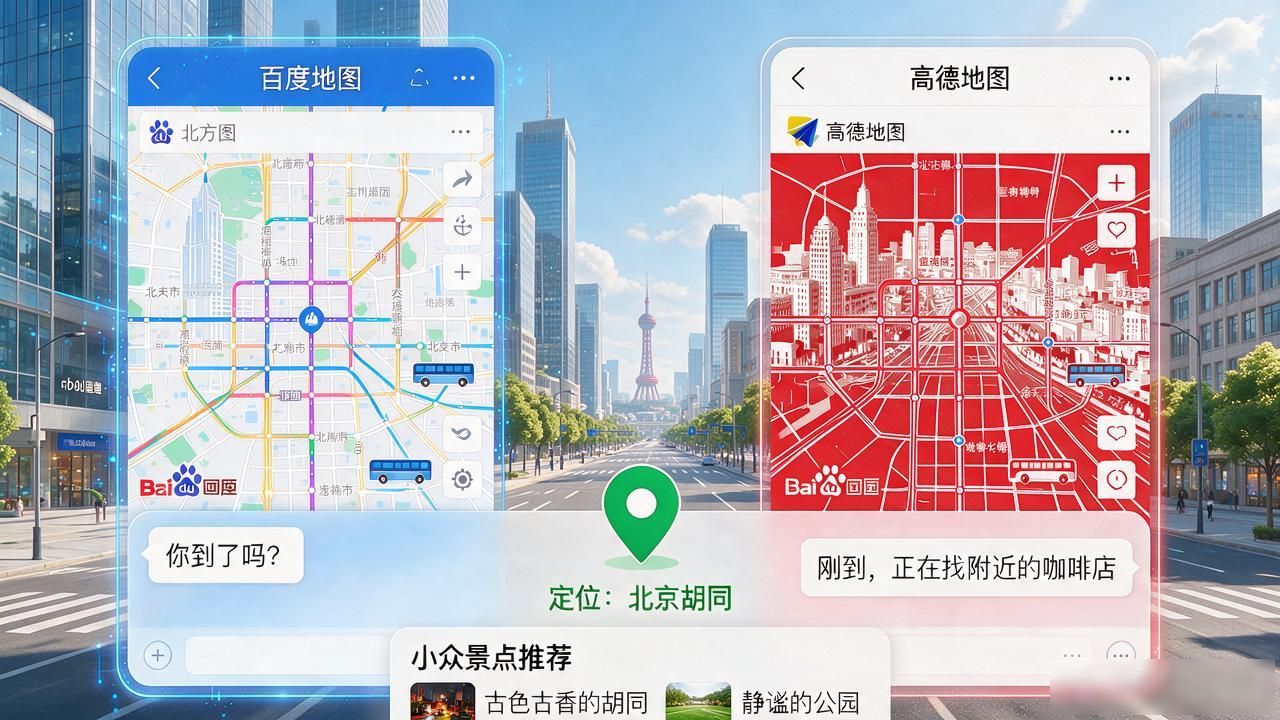
Baidu Maps still pulls heavy weight in northern cities where Amap’s coverage feels thinner. For getting to obscure rural spots, I’ve found WeChat groups where locals literally text you GPS pins and recommendations no mainstream app would surface.
You don’t need all of these on day one. Start with Amap, Alipay, and 12306. The rest fill in as you figure out your own rhythm on the street. By your third city, the apps stop feeling like tools and start feeling like the place itself.