
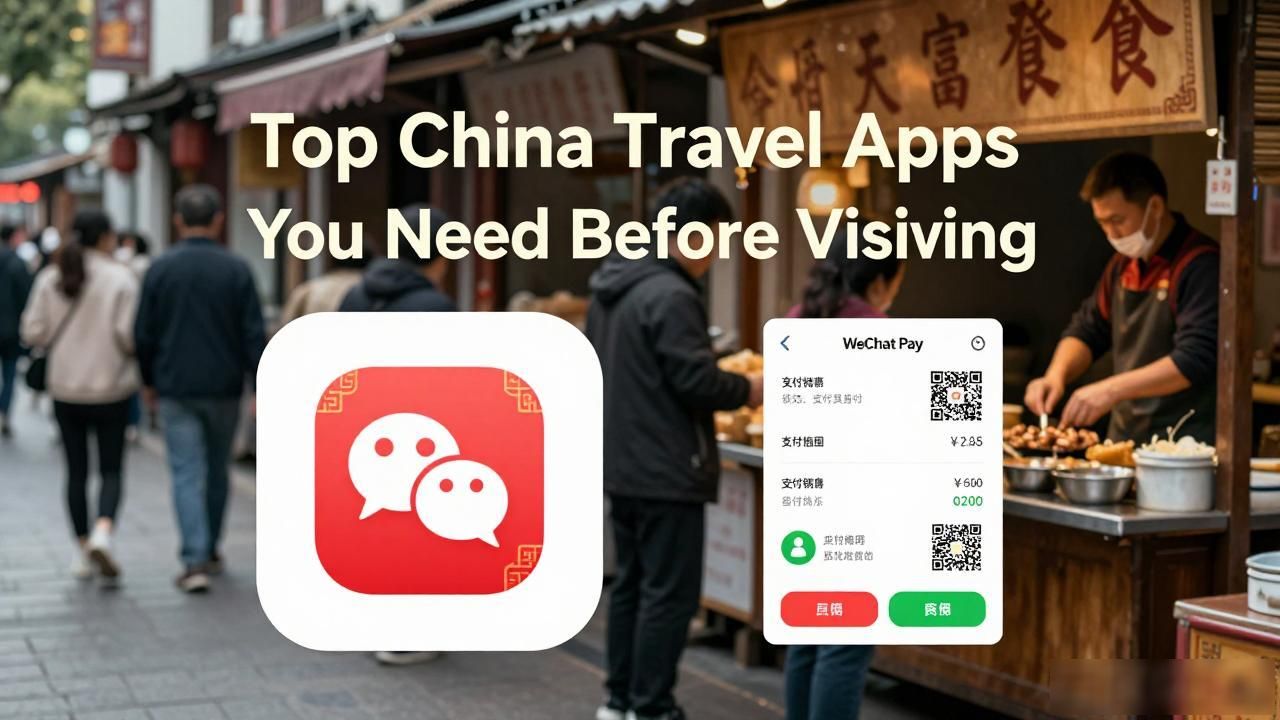
Planning a trip to China can feel overwhelming, especially when you realize that many Western platforms like Google Maps, Instagram, and WhatsApp simply don’t work there. The good news is that China has its own ecosystem of apps that are incredibly powerful, and once you get the hang of them,your trip becomes ten times smoother. These apps are not optional; they are essential for navigation, payment, and communication.
What apps do foreigners actually need for travel in China

The first thing you need to understand is that WeChat is not just a messaging app; it is your digital identity in China. You will use it to pay for almost everything, from street food to train tickets. Make sure you set up WeChat Pay before you arrive, and link your international credit card. It takes about ten minutes, but it saves you from the awkwardness of carrying large amounts of cash. Another app that is absolutely critical is Alipay, which works similarly and sometimes has better English translation for hotel bookings and ride-hailing services.
For navigation, forget Google Maps. You need to download Amap (Gaode Maps) or Baidu Maps. They are both in Chinese, but they are far more accurate for local addresses and public transit routes. A helpful trick is to use the app’s built-in translation feature or have your hotel concierge type your destination in Chinese characters. Once you do that, the map will guide you with walking directions, metro lines, and even bus arrival times. It feels a bit clunky at first, but after a day or two, you will wonder how you ever traveled without it.

How do you book trains and find food without speaking Chinese
Train travel is the backbone of getting around China, and the official app is called 12306. The catch is that it is entirely in Chinese and requires a Chinese ID for verification. But do not panic. You can use the English version of , which lets you book high-speed rail tickets with a small service fee. It is worth every penny because the trains are fast, clean, and incredibly punctual. Just remember to bring your passport to the station, because you will need it to collect your ticket or pass through the gates.
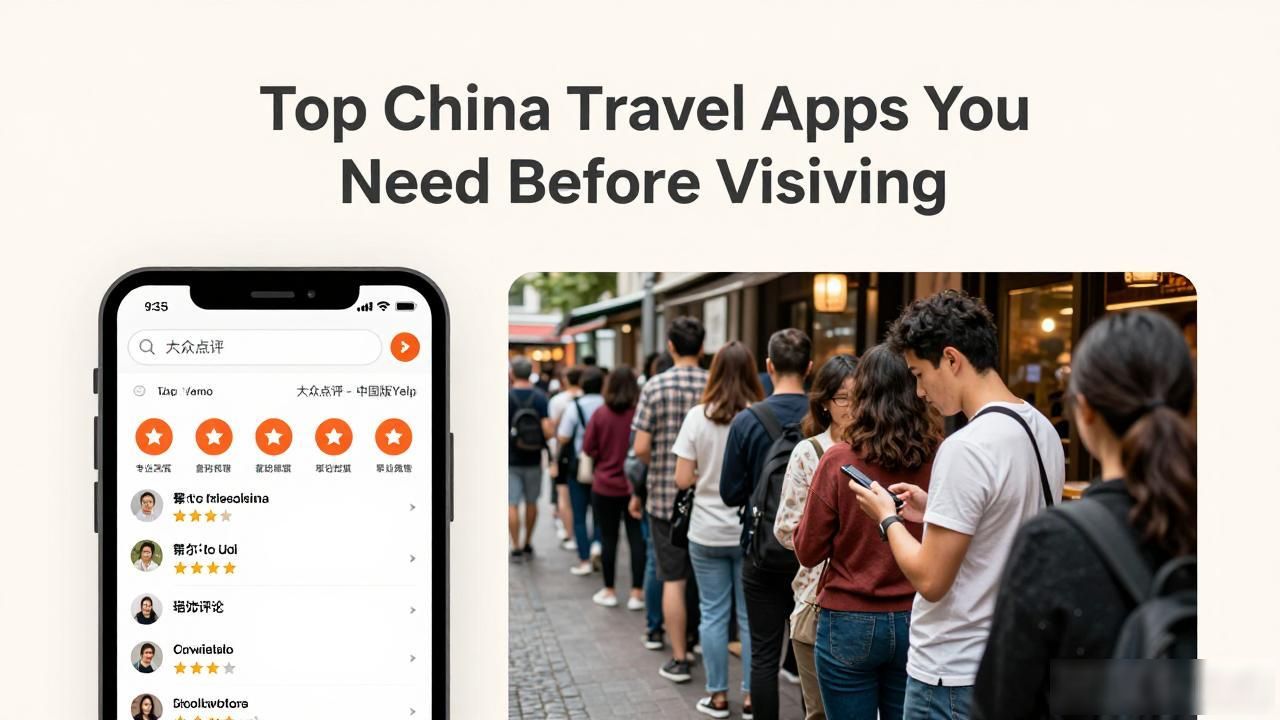
When it comes to food, Dianping is the Chinese equivalent of Yelp, and it is a goldmine for finding local restaurants. The interface is in Chinese, but you can use the photo search feature to find popular dishes near you. You can also look for restaurants that have long queues, because that is a universal sign of good food. For delivery, Meituan and Ele.me are the go-to apps, and they accept international cards if you link them properly. Ordering food delivery in your hotel room after a long day of sightseeing is honestly one of the greatest pleasures of traveling in China.
The one app that ties everything together is a good VPN. Without it, you cannot access Google, Gmail, or WhatsApp. Download and test your VPN before you land, because the Chinese firewall is strict and you will not be able to set it up easily after arrival. Once you have that in place, the rest of the apps will work seamlessly. Traveling in China is not difficult; it just requires a different set of tools. Spend an hour setting these up before your flight, and you will feel like a local within your first day.