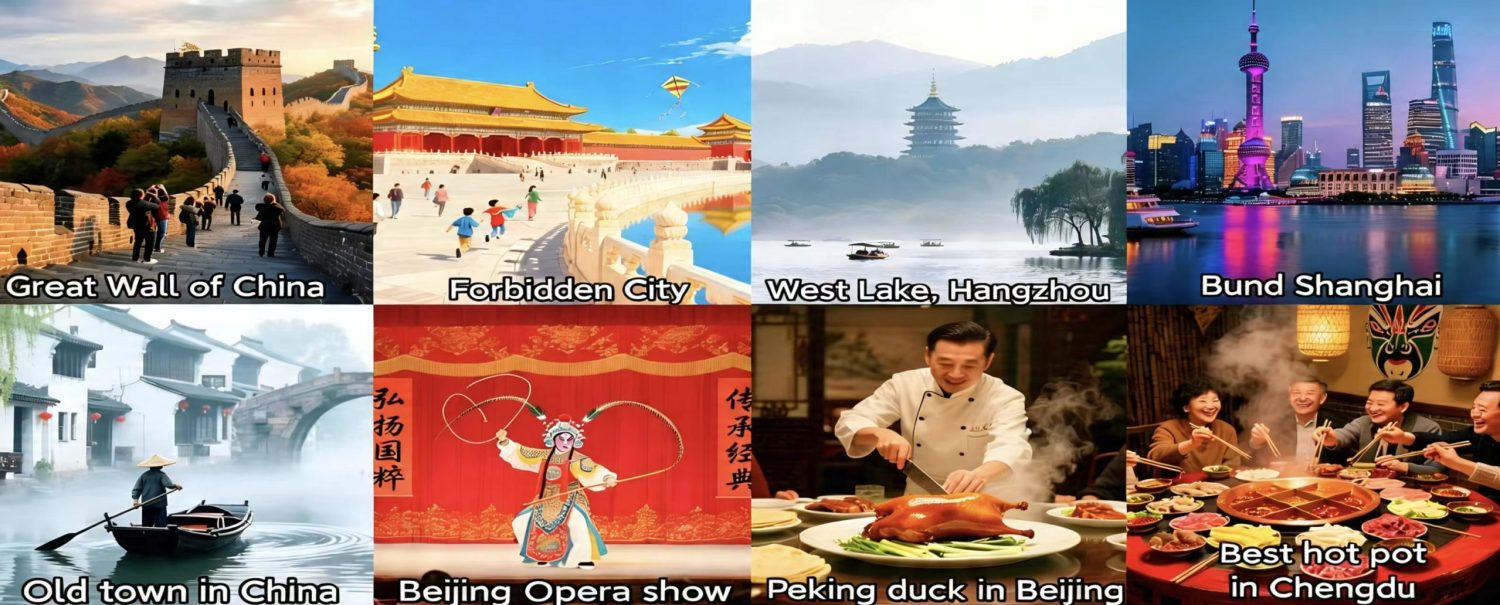
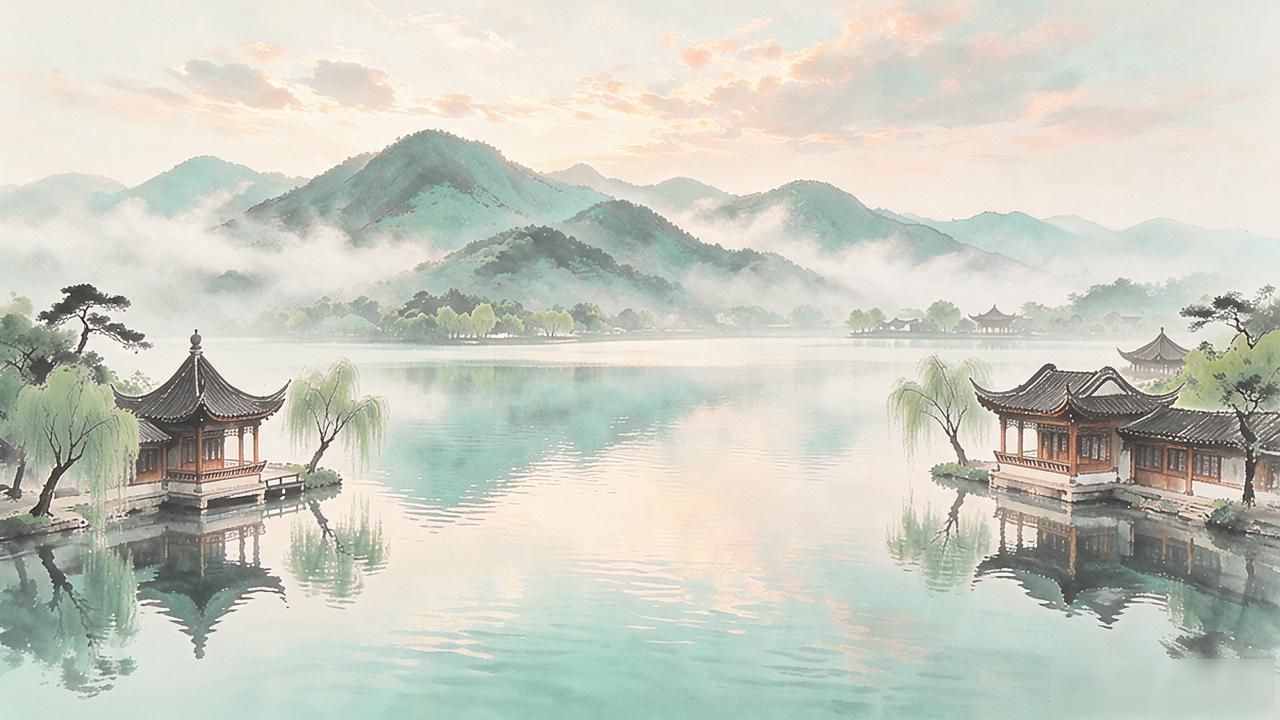
I grew up on the south bank of West Lake in Hangzhou, and to me the water has never been just scenery. It is a layered document of Chinese civilization—poems carved into roadside stone, Song-era bridges still carrying tourists, and the quiet ritual of tea houses where grandmothers still brew Longjing at first light. This is what “cultural heritage” truly means here: not a museum diorama, but a living place where history and daily life overlap without a seam.
Why Is West Lake Cultural Heritage Important

West Lake earned its UNESCO World Heritage status in 2011 not for a single landmark, but for the concept of a “cultural landscape”—a place where human creativity and natural form are inseparable. That distinction matters. It tells the world that the lake’s value is not the mountains or the water alone; it is two thousand years of people choosing to live, write, grieve, and build along its shore. Every willow on the Broken Bridge was planted with intent, not accident.
The literary layer is staggering on its own. Bai Juyi and Su Shi,two Tang-Song officials, personally oversaw dredging projects that gave the lake its modern shape. Their causeways still slice the water into manageable halves, and their names are stamped on stone markers any walker can stop and read at an unhurried pace. The poetry they inspired still fills school textbooks from Shanghai to Beijing, so the lake becomes almost a national memory you carry in your head before you ever visit.
How Did West Lake Cultural Heritage Evolve
The story is not a straight line. During the Ming and Qing dynasties the lake shrank as farmland crept inward. Qing emperors made annual visits and commissioned ornamental pavilions that some south-bank locals still half-jokingly call “the emperor’s toys.” The early 1900s brought railways, and eventually the hum of traffic at the eastern rim, which threatened the very stillness the culture depends on.
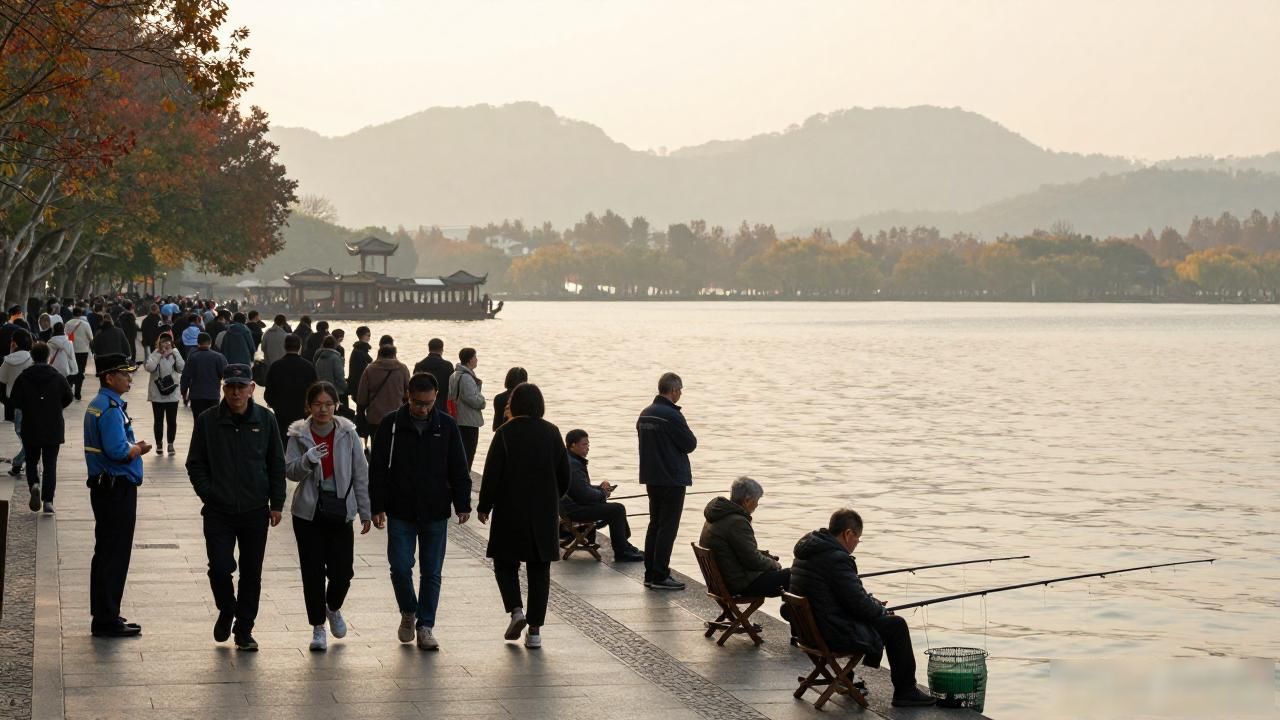
Today the main tension is tourism versus authenticity. Millions of visitors fill the lakeside paths each October, and the management authority has to balance crowd flow with the quiet that a poem about mist on the water actually requires. Residents on the south bank still fish at dawn, still argue over which tea house brews the better second-steep Longjing, and still consider themselves the lake’s keepers rather than its performers.
Walking the Su Causeway before the tour buses arrive, you can feel the weight of every dynasty that shuffled along this path. The heritage is not behind glass. It is the silence between two ripples.