
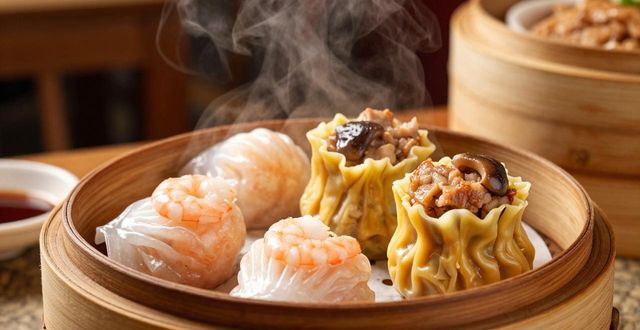
Dim sum is more than just a meal in Guangzhou—it is a centuries-old tradition, a social ritual, and a culinary art form. For visitors, navigating the world of bamboo steamers, rolling carts, and endless small plates can be both exciting and overwhelming. This guide breaks down everything you need to know, from must-try dishes to etiquette tips, so you can enjoy an authentic Cantonese yum cha experience like a local.
What is the best dim sum in Guangzhou for first-timers

If you have never tried dim sum before, start with the classics that define Cantonese cuisine. Har gao (shrimp dumplings) are the gold standard—translucent wrappers folded into pleats, filled with whole, juicy shrimp and a hint of bamboo shoots. Siu mai (pork and mushroom dumplings) come with a bright orange dot of crab roe on top, offering a rich, savory bite. Char siu bao (barbecue pork buns) can be steamed or baked; the steamed version is soft and fluffy, while the baked one has a sweet, crispy crust. These three dishes appear on every table and are a safe, delicious entry point for any newcomer.
Where can I find authentic dim sum in Guangzhou without tourist traps
Locals rarely eat at hotel chains or flashy malls. Instead, head to time-honored tea houses in Liwan and Yuexiu districts. Dian Dou De is a popular modern chain that maintains high quality, but for true authenticity, try Guangzhou Restaurant on Shangxiajiu Pedestrian Street, which has been serving dim sum since 1935. Another gem is Panxi Restaurant, set in a classical Lingnan garden—its shrimp dumplings and water chestnut cake are legendary. Avoid places that offer “all-you-can-eat” deals or have menus in five languages; these usually cater to tour groups and sacrifice freshness for convenience.
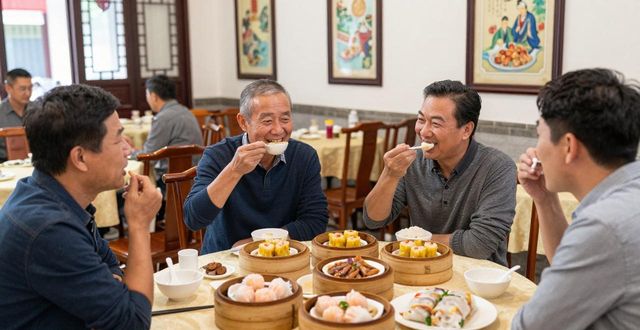
How do you eat dim sum like a local in Guangzhou
Yum cha (“drink tea”) is the proper term for the dim sum experience. Start by choosing a tea—oolong, pu’er, or jasmine are common. The first pot is used to rinse cups and utensils; pour it into the bowl provided, not the floor. When your tea pot runs dry, remove the lid and rest it on top; a server will see it and refill with boiling water. Do not knock on the table with two fingers unless you want to perform the old Cantonese gesture of thanks, which is optional. Use chopsticks for most items, but feel free to pick up small buns with your hands. Share everything family-style, and pace yourself—dim sum is about lingering, not rushing.
What are the must-know dim sum etiquette and tea customs
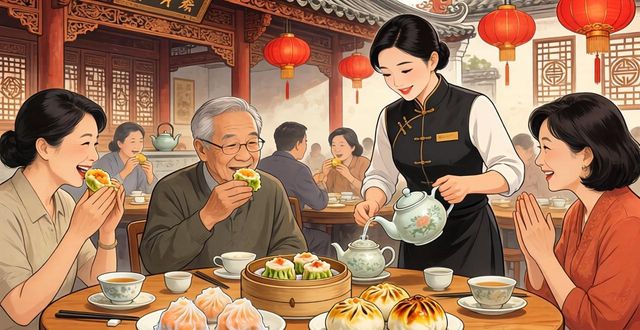
Several unspoken rules will help you fit in. Never flip the teapot lid upside down unless you are ready to leave, as that signals “finished.” When someone pours tea for you,lightly tap two fingers on the table twice—this mimics kneeling in thanks, a tradition from the Qing dynasty. If you want a dish from a passing cart, wait for the cart lady to stop, then point or say the name. Do not grab the steamer yourself. Pay attention to the bill: some places charge by the number of steamer lids left on your table, so stack them neatly for counting. Finally, avoid over-ordering; you can always add more, but leftover food is seen as wasteful and disrespectful to the chef.
Have you ever tried making your own siu mai at home, or do you prefer hunting down hidden dim sum joints when you travel? Share your story in the comments below, and don’t forget to save this guide for your next trip to Guangzhou.