
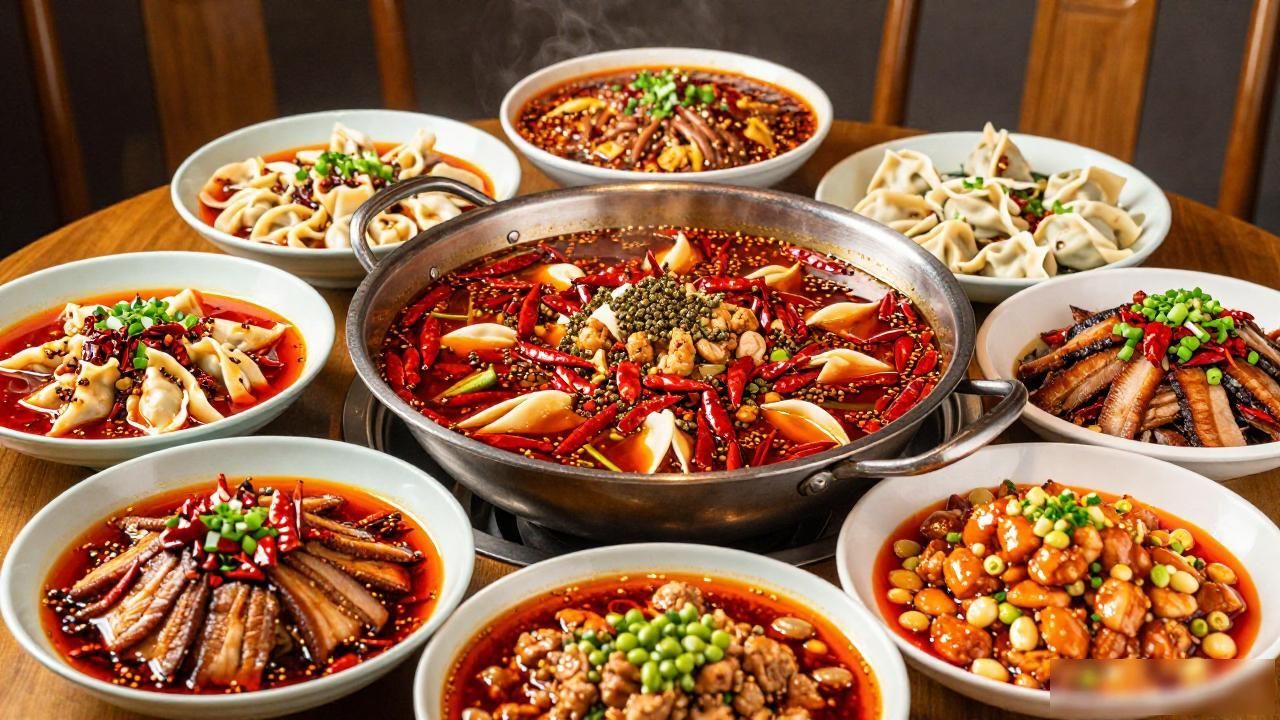
You’ve had a plate of sweet-and-sour pork from a local takeout joint. Maybe some chow mein. You think that’s Chinese food. It’s not. I grew up in a village in Sichuan where my grandmother could make a pot of dan dan noodles that would have your jaw hitting the kitchen floor. What most Westerners call “Chinese food” is a pale,sugar-sweetened shadow of what the cuisine actually is. The real thing is layers of heat, depth, and contradiction stacked on top of each other in ways that no menu description can do justice.
What Chinese food really tastes like
The word “Chinese food” lumps together eight major regional cuisines into one vague, undifferentiated category. Sichuan food burns. Cantonese food whispers. Shandong food builds on a foundation of hand-pulled wheat that most outsiders have never even encountered. Treating all of it as “the same thing with different noodles” is a bit like calling jazz, opera, and heavy metal all just “music.”

Walk into a proper Sichuan restaurant and you’ll taste numbing Sichuan peppercorn, the sharp bite of dried chilies, the slow release of fermented broad beans dissolved into the chili oil. It’s not one flavor. It’s a whole orchestra playing at once, and your tongue needs a good three seconds just to sort out what is actually happening on your palate.
Why Chinese food gets lost in translation
When Chinese restaurants first opened in Western cities through the 1970s and 80s, the cooks were working with whatever ingredients the local grocery stores carried. Ketchup ended up in the gravy. Sugar crept into the stir-fry. The menu became a survival strategy, not a menu at all. It kept the lights on.
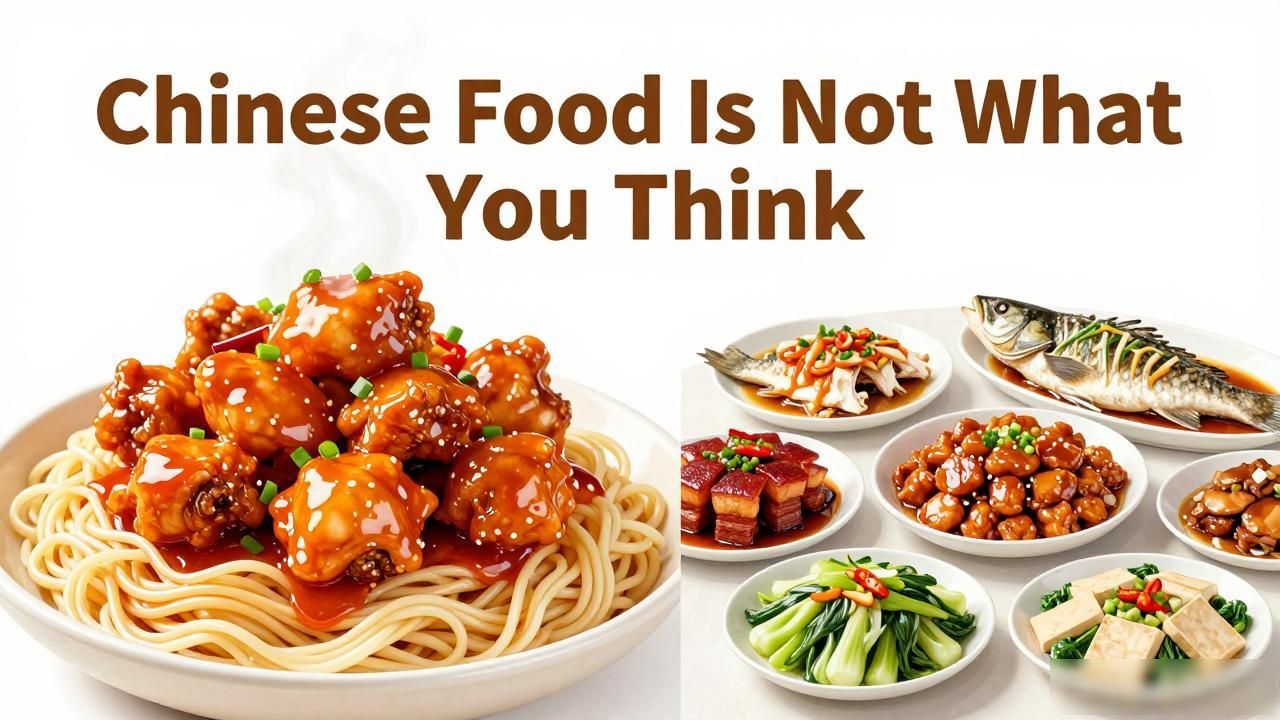
That compromised version stuck so deeply that two full generations of Western diners grew up believing “Chinese food” meant orange-glossy meat dumped on a bed of fried noodles. The actual cuisine never got a fair shot to introduce itself on its own terms, in its own dialect, with its own unforgiving logic of heat and balance.
How to order Chinese food like a local
Skip the “general Chinese” menu entirely. Find a place that says “Sichuan” or “Cantonese” or “Yunnan” on the front window. Order the spice level you think is one step below what you can handle, then go one higher. Trust the cook over the menu description every single time.
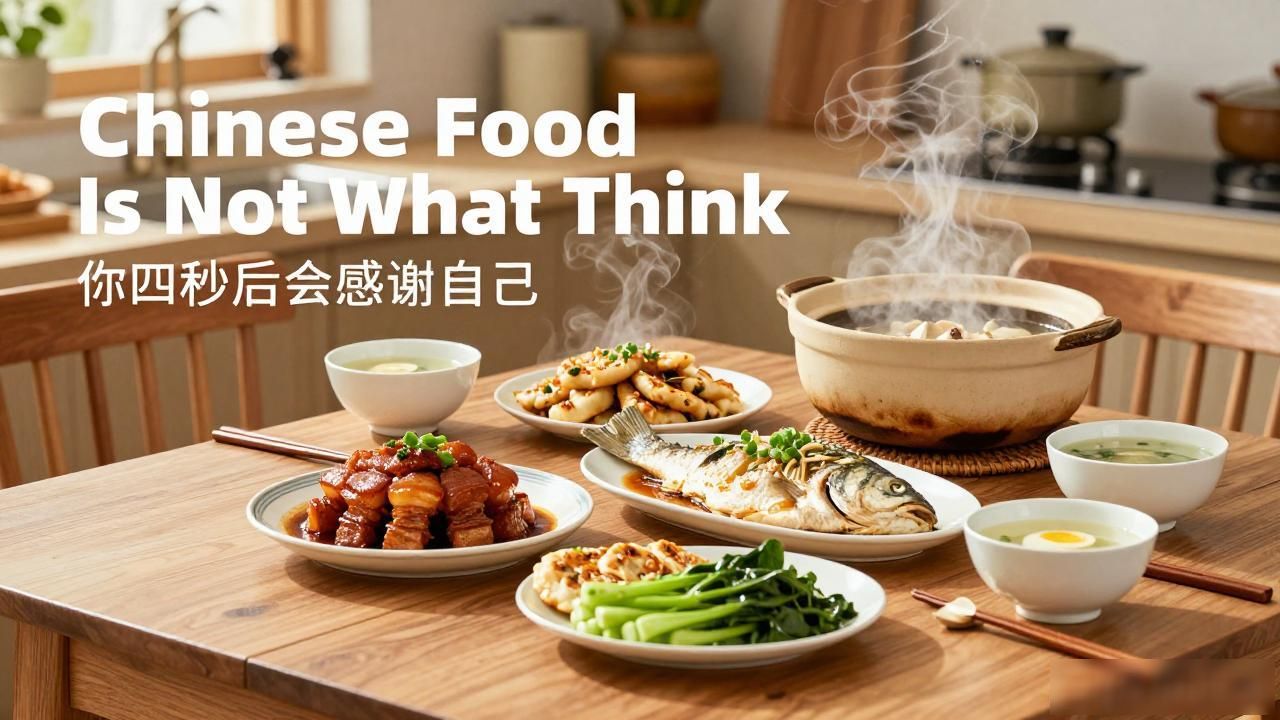
You’ll thank yourself in about four seconds.
The next time someone says they “don’t really like Chinese food,” I just smile. They’ve only met one version of it, a watered-down imitation that was never supposed to represent the whole. The real thing is still sitting on a table somewhere, steaming, loud, and completely different from whatever they remember from a highway exit in 2014.