
Growing up in Taiyuan, I watched generations of visitors pack the exact same things: dried shanrao mushrooms, hand-painted clay figurines, a crated bottle of local baijiu. But after two decades guiding friends and family through this city, I’ve learned the real treasures hide in small workshops and quiet market stalls you’d miss on a rushed day trip. Here’s what I’d actually send to someone back home.
Which Taiyuan travel souvenirs to buy
The most practical pick is Taiyuan dried mushrooms, specifically the local shanrao variety. You’ll find them vacuum-sealed at any supermarket near the Wutai Mountain entrance, priced at about 25 yuan for a 200-gram pack. They rehydrate in ten minutes, throw deep umami into any broth, and weigh almost nothing in your carry-on. One pack comfortably lasts three to four months in a kitchen pantry.

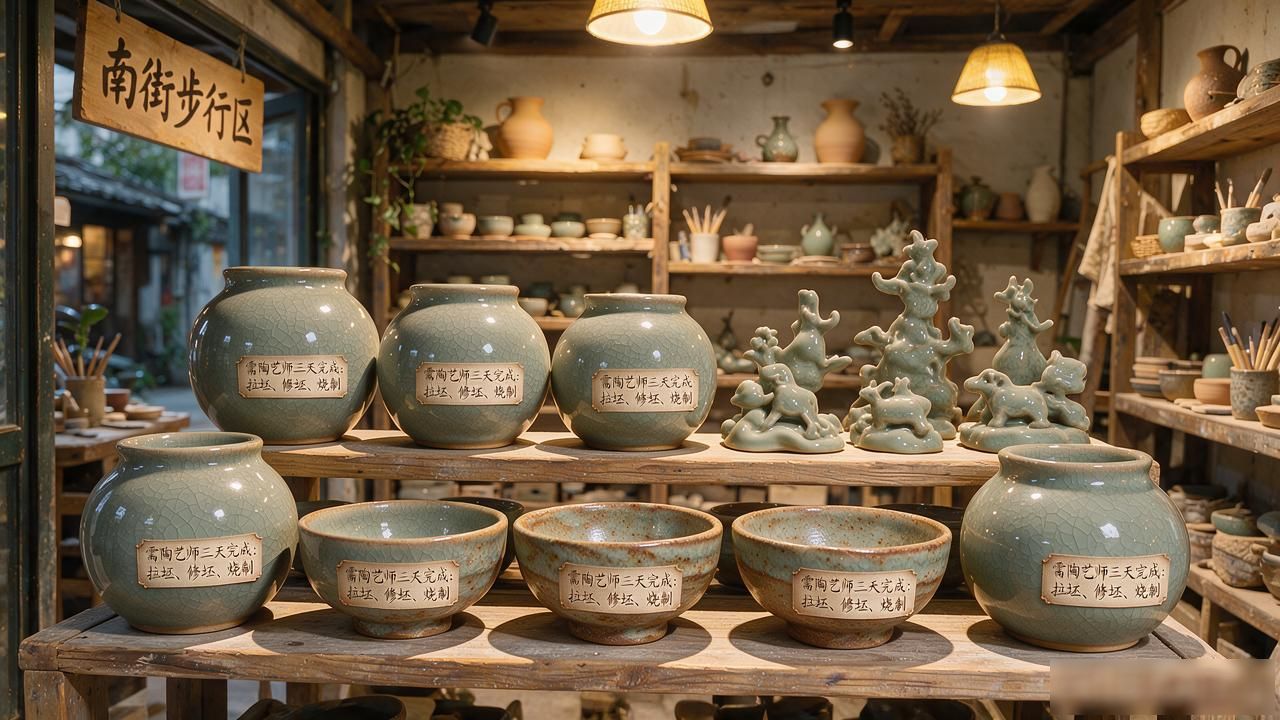
For something with more character, hunt the tiny shops along South Street’s pedestrian zone selling hand-thrown pottery. Each piece takes a potter a full three days to throw, trim, and fire. The glaze is a dusty celadon green you simply won’t find replicated anywhere else in China.
Where to find Taiyuan travel souvenirs
Skip the airport gift shops entirely. The best value lives in Fenhe Street’s small workshops, where third-generation makers still fire clay by hand over weekend kilns. Prices drop a good 30 percent if you just chat with the artisan for two minutes. Ask for the unglazed base coat if you want a blank canvas to paint yourself after the long flight home.
For food souvenirs, head to the older-district markets near Taiyuan Railway Station. They’re far less touristy and sell bulk dried chilis, honeyed walnut cakes, and the famous xiaomian vinegar still poured into glass bottles by hand.
Are Taiyuan travel souvenirs worth it
Honestly? The bottled baijiu looks impressive on a shelf but tastes harsh to most foreign palates. Save that budget for a proper evening at a Jiaoquan street-food stall,then take home a jar of their house-made soybean paste sealed in wax. That’s the real, unfiltered flavor of this city in a jar.
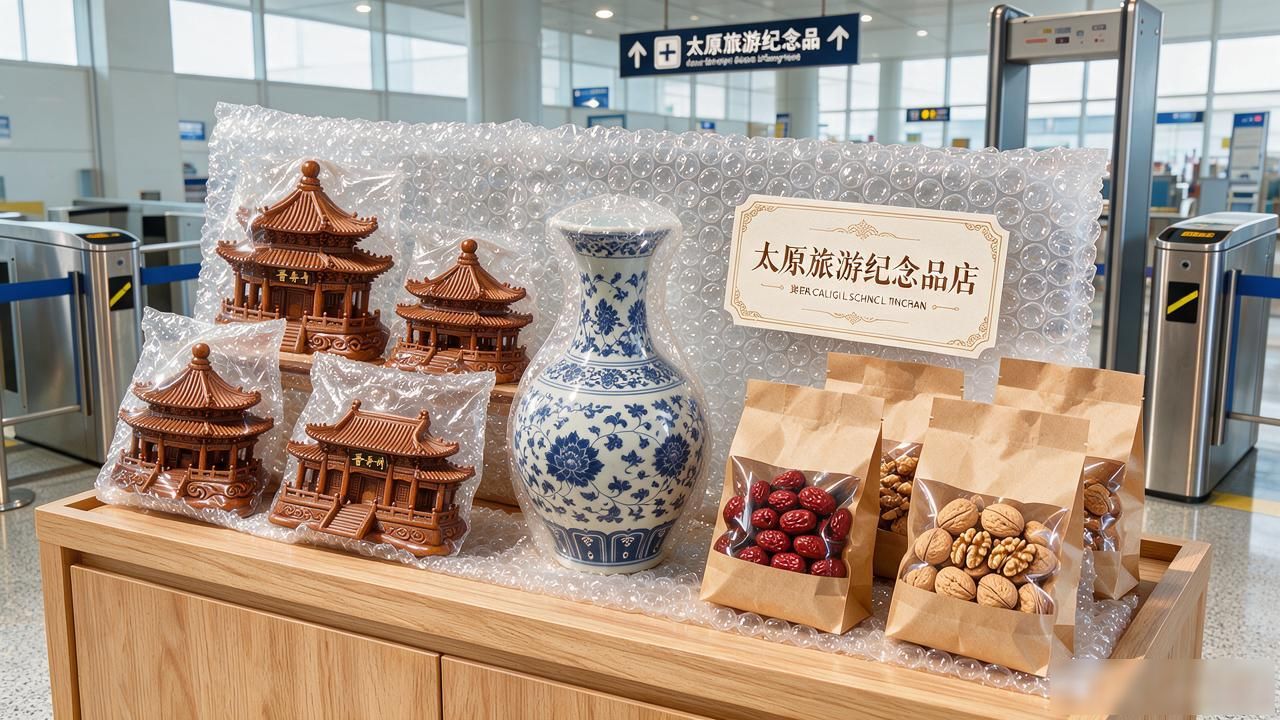
Ceramics and dried goods clear airport security without drama. Wrap glass in bubble wrap, tuck the shop’s card inside for labeling, and you’ll breeze through any secondary inspection.
I still keep a low shelf of these things at home. Twenty years later, the chipped little clay rabbit I grabbed on South Street is the one my daughter keeps touching every single morning. That’s how you know a souvenir actually did its job.