
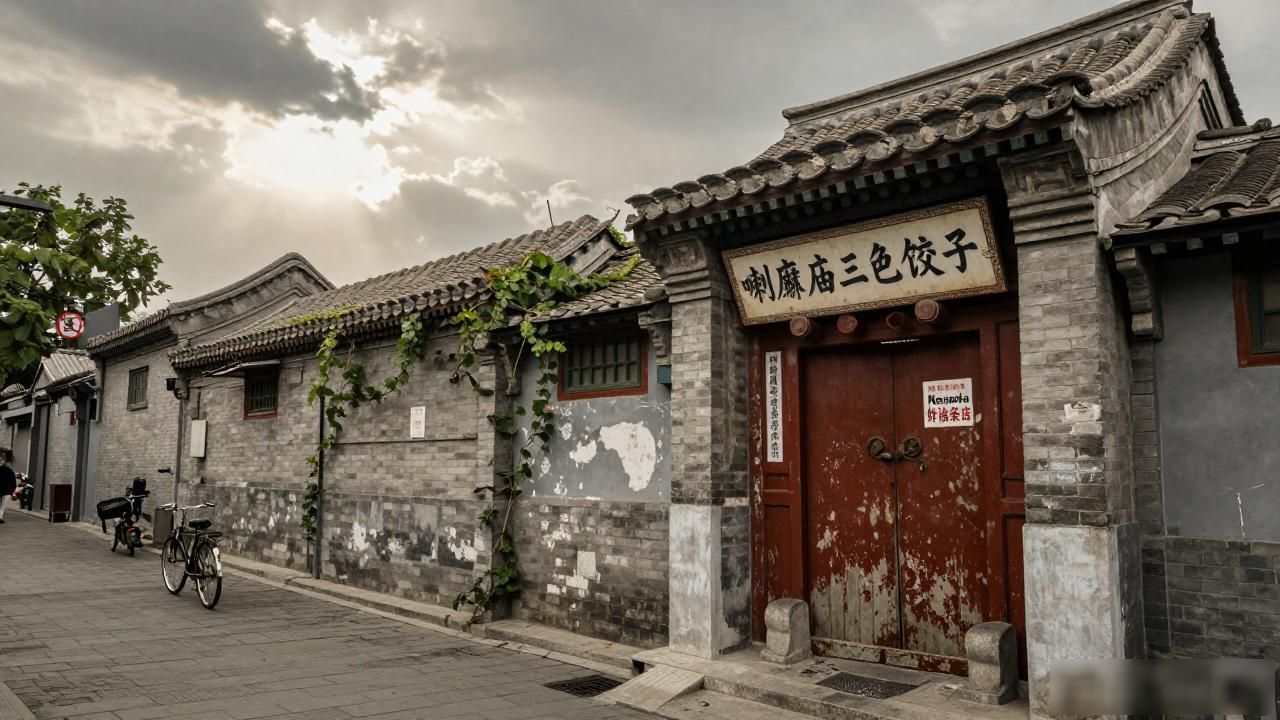
Beijing food heritage isn’t just about dumplings and Peking duck. It’s a living tradition built over four hundred years by imperial kitchens, street vendors, and neighborhood eateries that quietly shaped how an entire city eats and thinks about flavor. Most visitors reduce it to a handful of tourist menus,but the real depth runs far deeper than what you’ll find in any guidebook.
Is Beijing Food Heritage Dying Out

The old courtyard restaurants in Xicheng and Dongcheng are disappearing fast. Lama Temple’s three-color dumplings and the Narada fried dough shops still survive, but dozens of family-run spots that had operated for three generations shuttered during the renovation waves of the 2000s and beyond. The recipes didn’t actually vanish—they got absorbed into chains that standardize flavor and slash overhead costs.
What worries me more is the generational gap. Kids raised on delivery apps have no idea why a proper zhajiangmian needs its sauce stirred in slow circles for forty minutes over low heat. That craft knowledge sits in the hands of people in their sixties, and nobody’s formally writing it down or setting up a real apprenticeship to pass it forward.
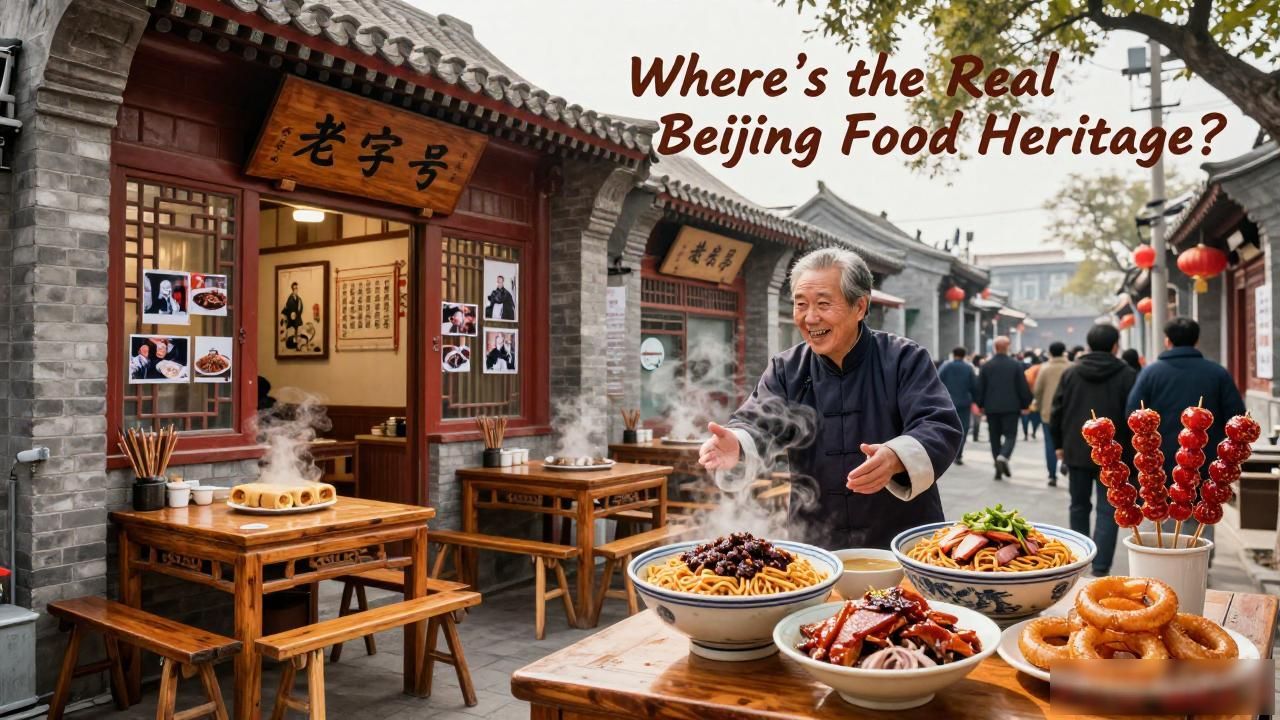
Where to Find Beijing Food Heritage
Walk the back alleys of Yong’anmen on a Sunday morning and you’ll find women making liangfen from mung beans the way their grandmothers did, steam curling off wooden racks in the thin winter air. No printed menu, no neon sign—just word of mouth that’s passed through the neighborhood for decades. The food is deceptively simple, but the fermentation technique stretches back centuries.
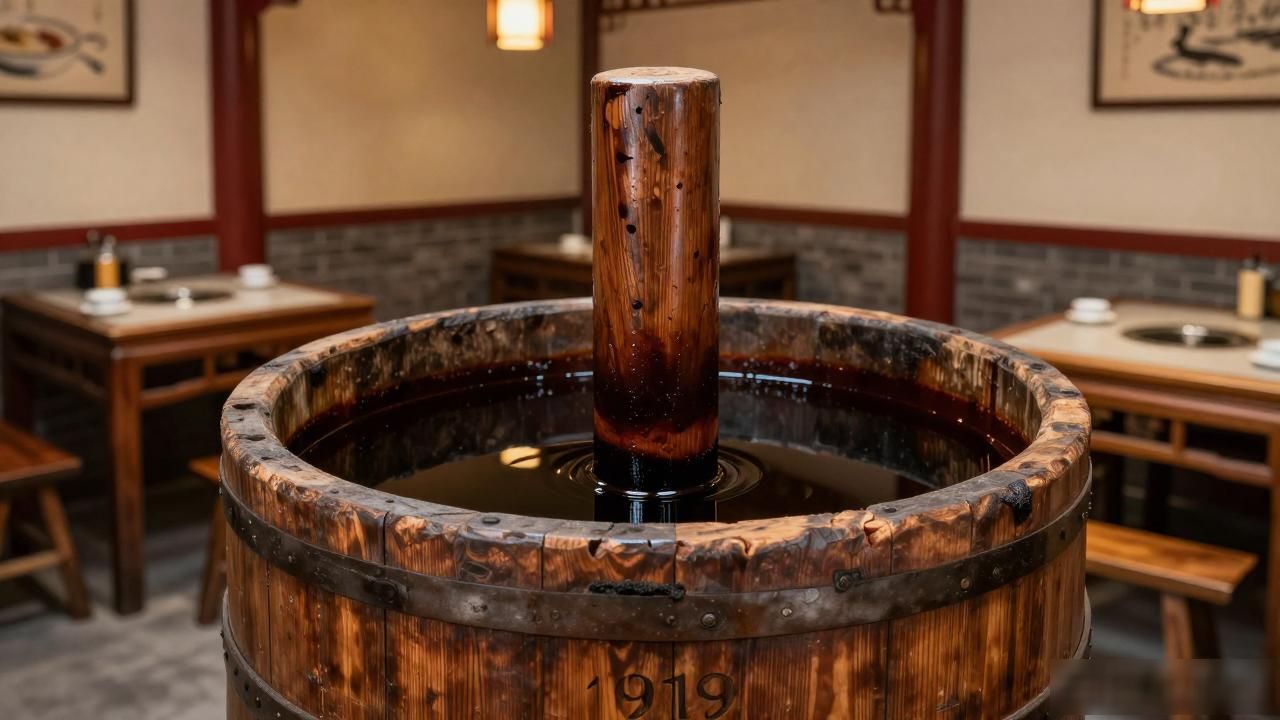
The Dongfanghong shop near the Forbidden City still pulls from the exact same soy sauce fermentation barrel it received in 1919. Tasting that sauce is like biting into a time capsule—thick, bitter, funky in a way no factory-bottled imitation can replicate. One spoonful and you understand why the preservation of these raw ingredients matters as much as the cooking itself.
You don’t need a Michelin guide to chase this down. You need a few quiet hours in an old district, a willingness to sit at a scratched plastic table, and the patience to let a dish be exactly what it is. The heritage is fragile, but it’s still breathing, one small bowl at a time.