
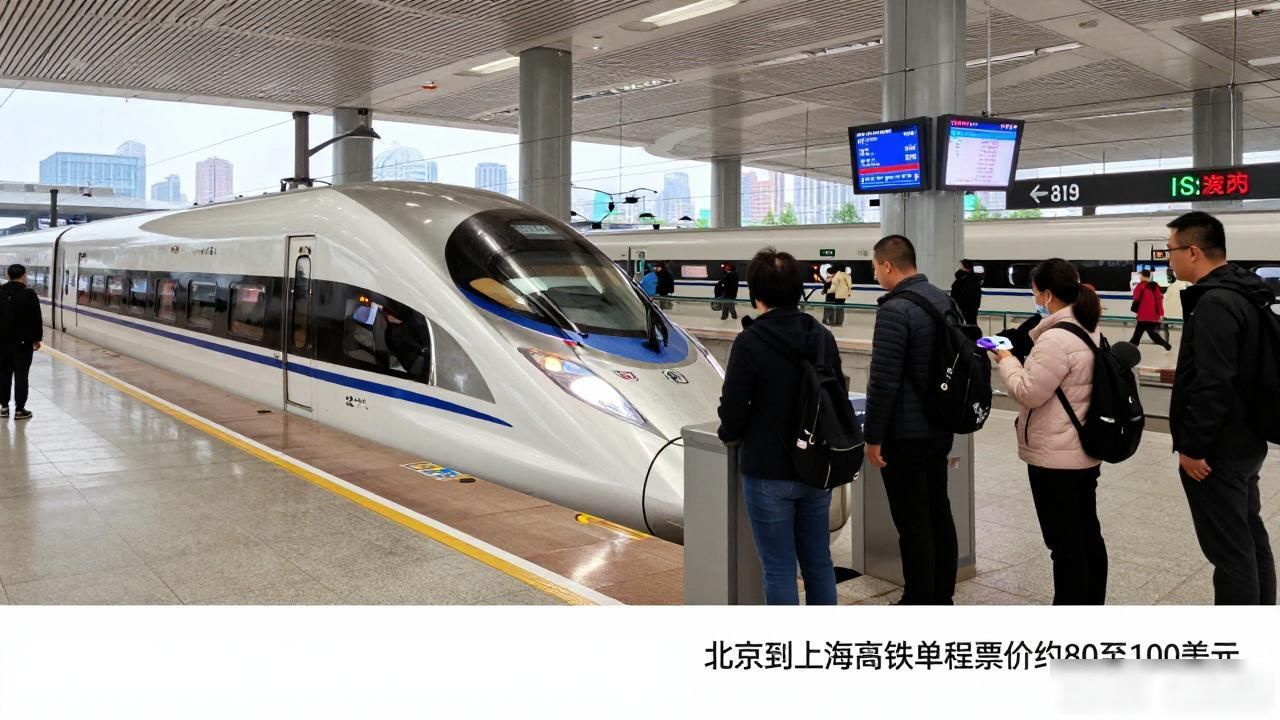
Many foreigners believe visiting China is cheap just because street food is low-priced, but the reality is quite different. I managed a trip to Shanghai and Beijing recently, and my expenses were surprisingly close to those in London or New York. The main cost drivers are transportation between cities, decent hotels, and dining at sit-down restaurants rather than street stalls. You have to plan carefully to keep the total under control without sacrificing comfort or safety.
Why Flights and Trains Cost So Much

Long-distance travel eats up a huge chunk of your budget fast. I took high-speed trains for most of my journey, which costs significantly more than domestic flights often advertised. A one-way ticket from Beijing to Shanghai takes about three hours and sets you back roughly $80 to $100 per person. Flights can be cheaper, around $60, but you add airport fees and security checks that eat up extra time and money. If you move around a lot, these expenses stack up quickly and surprise first-time visitors who expected cheap local transit.
Where To Find Cheap Spots
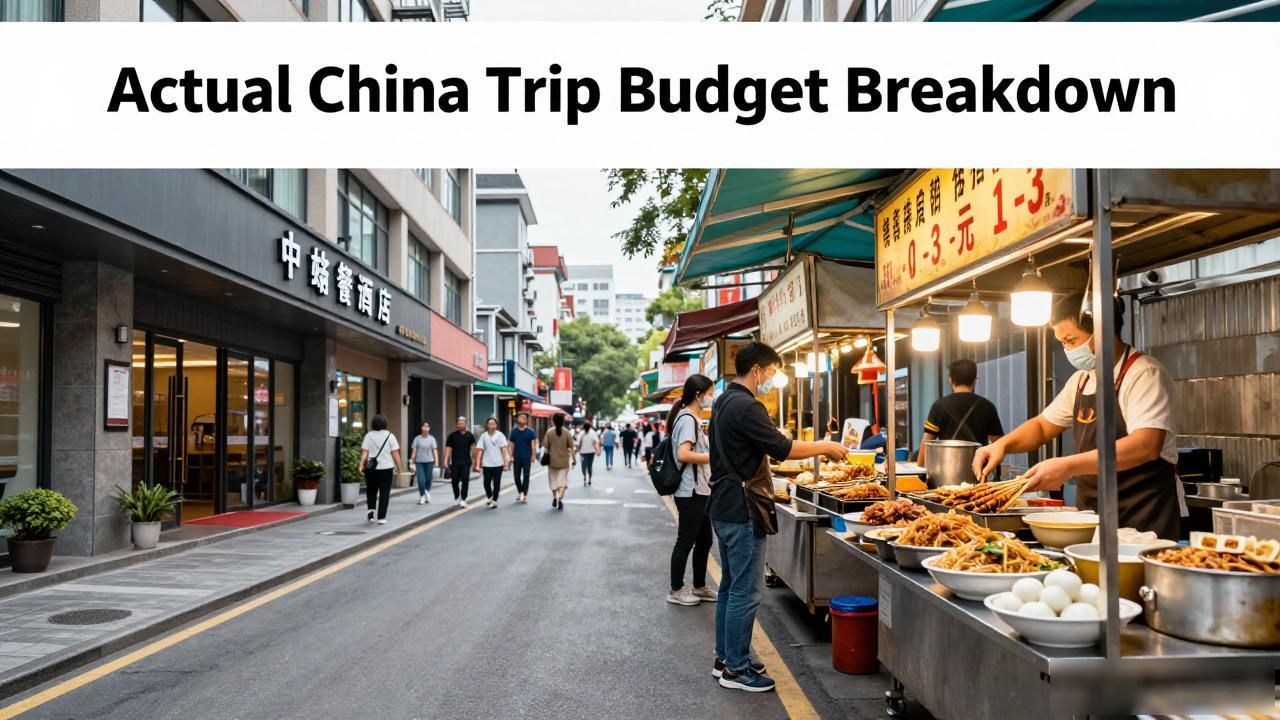
Booking hotels in advance saves a lot of money compared to walking in and negotiating. Mid-range chain hotels usually charge between $40 and $60 a night in major cities, while boutique options can double that price. Street food is genuinely affordable,with meals ranging from $1 to $3, but eating at local restaurants costs $10 to $15 for two. I found that mixing these two styles keeps the food budget reasonable while still letting you taste real regional cuisine without breaking the bank.
Hidden Fees That Catch You Off Guard
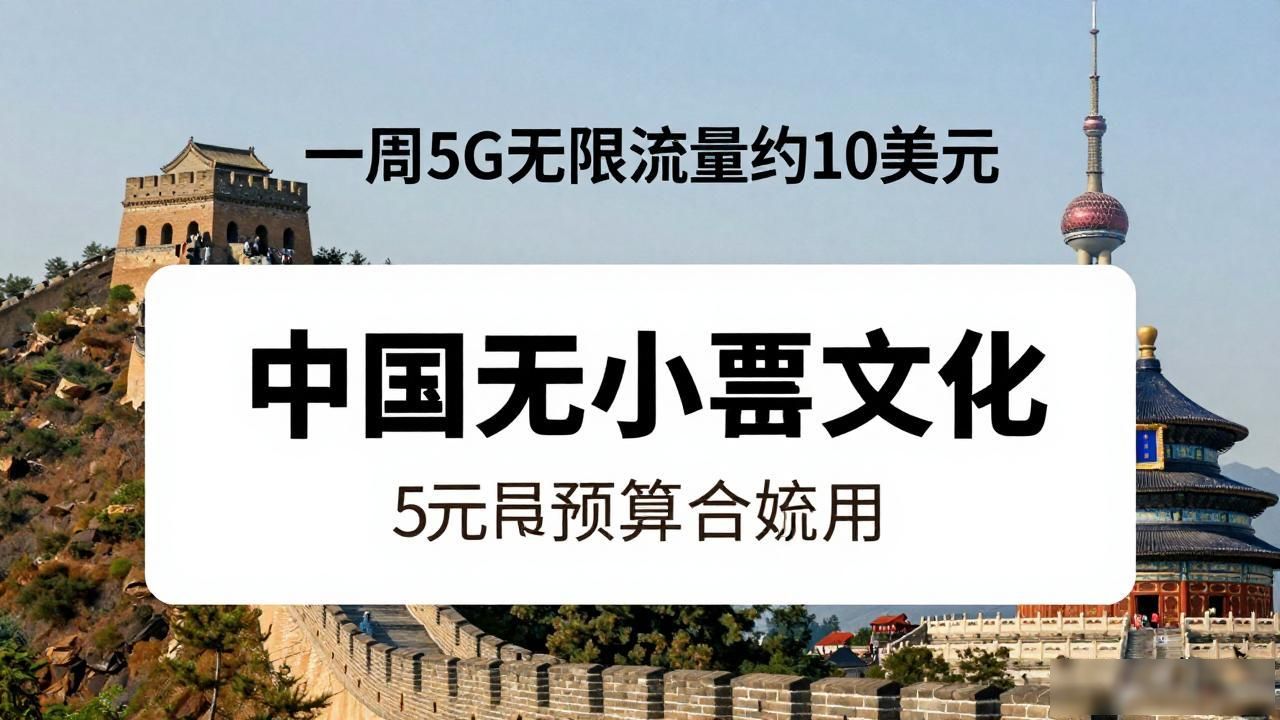
Data plans and connectivity are essential for navigation and booking, costing about $10 for a week of unlimited 5G. Tip culture does not exist in China, so you do not have to worry about adding 15 to 20 percent to your bill like in the US. However, tour tickets for major attractions like the Forbidden City or the Great Wall often include small service fees or guide charges that are not listed on the main admission price. Exchange rates also fluctuate, so paying in cash can sometimes save you a few dollars compared to credit cards which add processing fees.
Sticking to a realistic budget requires looking beyond just the ticket prices. The true cost of traveling in China depends heavily on your pace and choices. By balancing cheap food with comfortable stays and planning train schedules in advance, you can enjoy the trip without blowing your savings. Keep an eye on those small daily expenses, and your total trip cost will stay well within expected limits.