
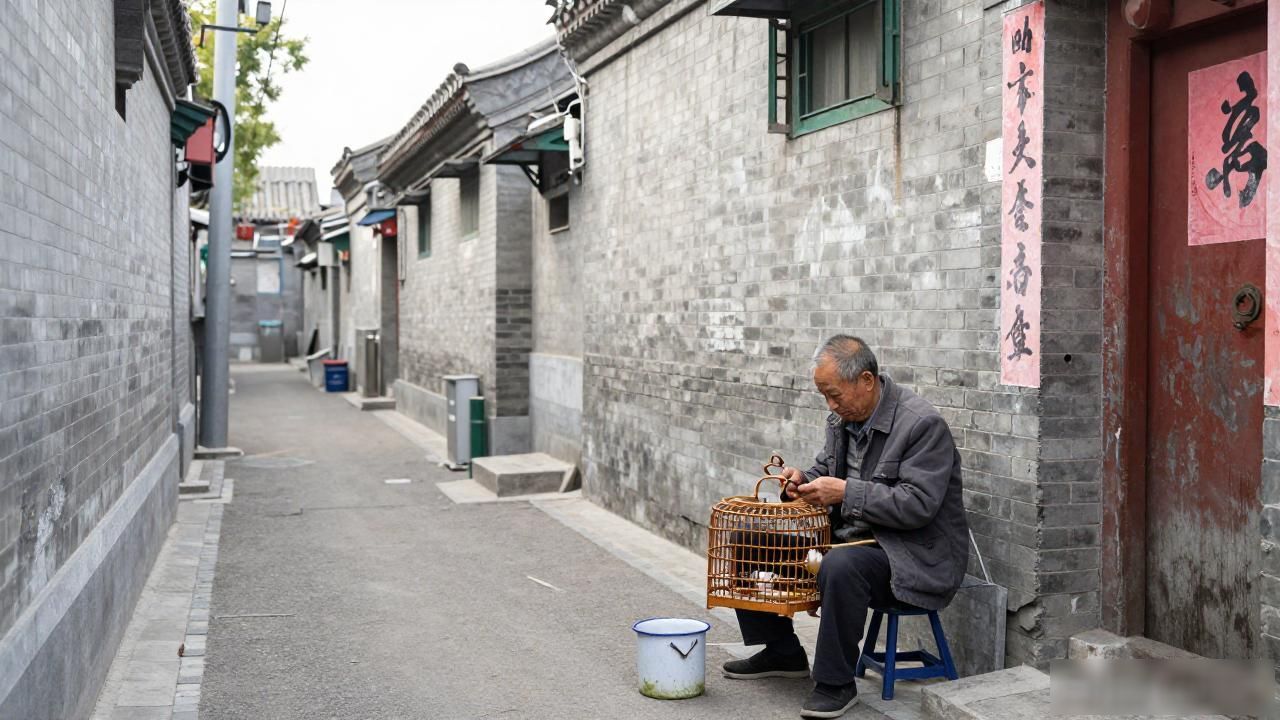
Beijing has always been the beating heart of Chinese culture, a city where ancient traditions intertwine seamlessly with modern life. As someone who has spent over a decade exploring its neighborhoods, I can tell you that understanding Chinese culture here goes far beyond visiting famous landmarks. It’s about experiencing the daily rhythms,local customs, and living heritage that make this city truly extraordinary.
Where to Find Authentic Chinese Culture in Beijing
The Forbidden City draws millions each year, but don’t miss the quieter corners of the surrounding area. Start your morning in Jingshan Park, right behind the palace complex. Local elders gather to practice tai chi, sing traditional opera, and play Chinese chess on stone tables.

This is where you’ll witness culture that hasn’t been packaged for tourists. It’s alive and happening right now.
Wander through the Hutongs and you’ll find another world entirely. These narrow alleyways have housed ordinary Beijing residents for centuries. Stop by a neighborhood tea house, watch an old man practicing calligraphy on a small concrete slab with water and a broom, or share a smile with a grandmother feeding her grandchildren.
These moments feel far more genuine than any performance designed for visitors. They reveal how Chinese culture survives in everyday interactions and simple routines.
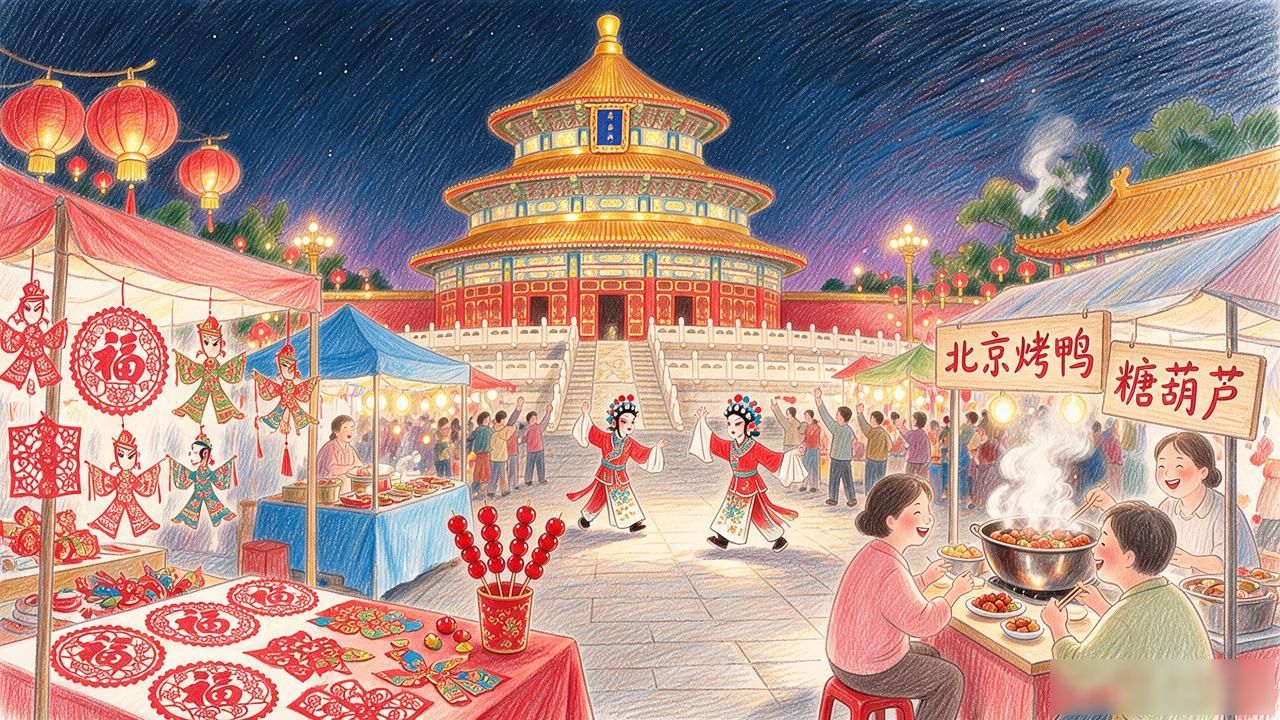
Temple Fairs during major festivals are another must-see experience. The Spring Festival Temple Fair at the Temple of Heaven becomes a vibrant marketplace of folk arts, street performances, and regional snacks that bring communities together in joyful celebration.
What Makes Beijing’s Traditional Culture Unique
The Summer Palace illustrates why Chinese garden design stands apart from Western landscaping traditions. Rather than imposing geometric order on nature, these imperial gardens work with the land, using natural hills, winding paths, and carefully positioned pavilions to create harmony between human presence and the environment. Walking through these spaces offers insight into a worldview that values balance and coexistence.
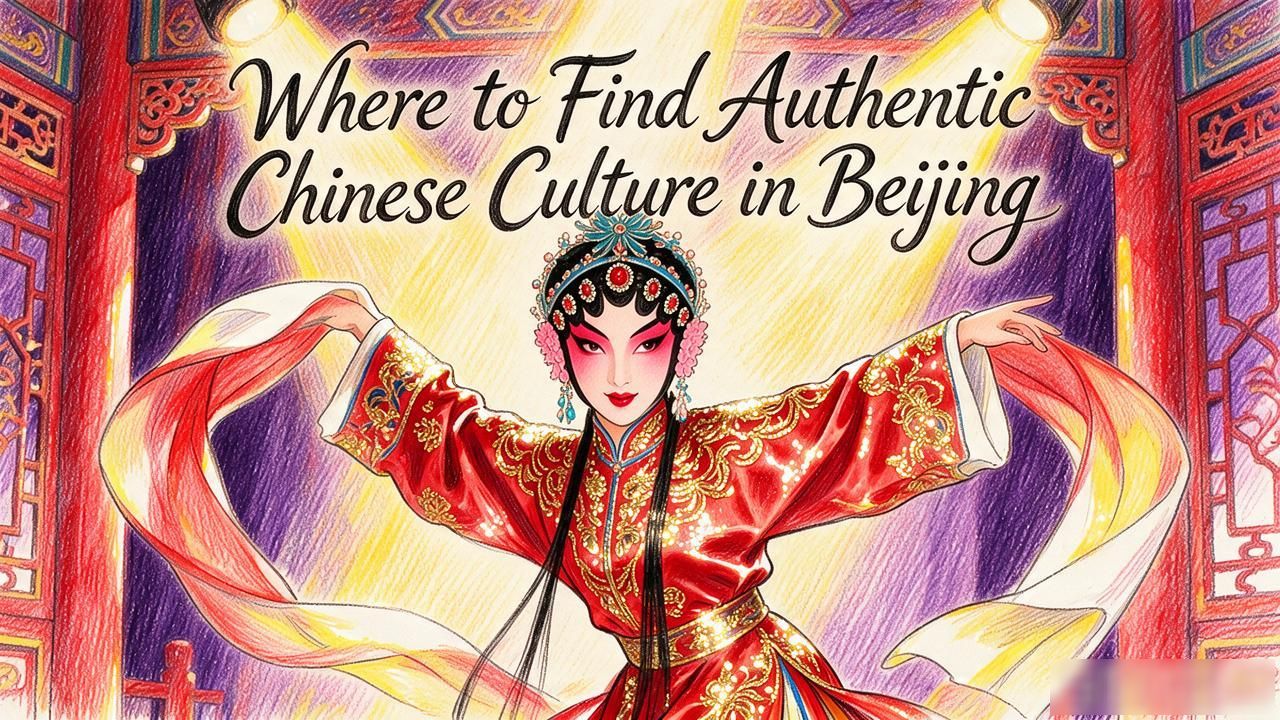
Peking Opera might seem intimidating at first glance, but once you understand its basic conventions, it becomes one of the most rewarding art forms you can experience. The elaborate costumes, stylized movements, and symbolic use of color tell stories that have been performed for over two centuries. Red makeup signifies bravery and loyalty, while white suggests cunning and deceit.
Food culture in Beijing runs just as deep. From the crisp skin of Peking duck to the comforting simplicity of zhajiangmian, each dish carries historical significance. Morning markets buzz with vendors selling jianbing, tangyou, and freshly made noodles. Older locals still gather in courtyards for tea and conversation, maintaining social bonds that have defined Beijing community life for generations.
Exploring Beijing this way reveals a culture that refuses to stay locked away in museums. It breathes through its people, their rituals, and their daily choices.