

The Great Wall is often described as the largest man-made structure on Earth, stretching over 13,000 miles across northern China. But if you are planning a trip, standing at a ticket booth with a map full of options, you will quickly realize that not all sections are created equal. Choosing the right section can make or break your experience. Some are convenient, restored, and busy with tour buses. Others reward determined hikers with dramatic landscapes and near-total solitude. Understanding what each section offers helps you match the Wall to your interests, energy level, and time in China.
How Easy Is It to Reach Different Sections
Beijing sits near several major sections, but distance from the city does not always mean convenience. Badaling is only about 40 miles from downtown Beijing, connected by the S2 suburban rail line and frequent tour shuttles. The station sits just steps from the entrance, which makes it the logical choice for first-time visitors with tight schedules or limited mobility.

Jinshanling requires roughly two hours of driving from Beijing. The road winds through mountain passes, and the final stretch leaves you at a parking lot followed by a short bus ride. Still, the extra travel time pays off in fewer crowds and more authentic atmosphere. Simatai, another popular option, falls somewhere between these two in terms of distance, though its night tours add a unique dimension that Badaling simply cannot offer.
Minghua Pass, located farther east near Chengde, attracts seasoned travelers who want raw, crumbling walls without the commercial infrastructure. Reaching it demands a private driver or a dedicated tour arrangement. For most visitors, the trade-off between accessibility and atmosphere is the key decision point when choosing where to go.
Which Section Offers the Best Hiking Experience
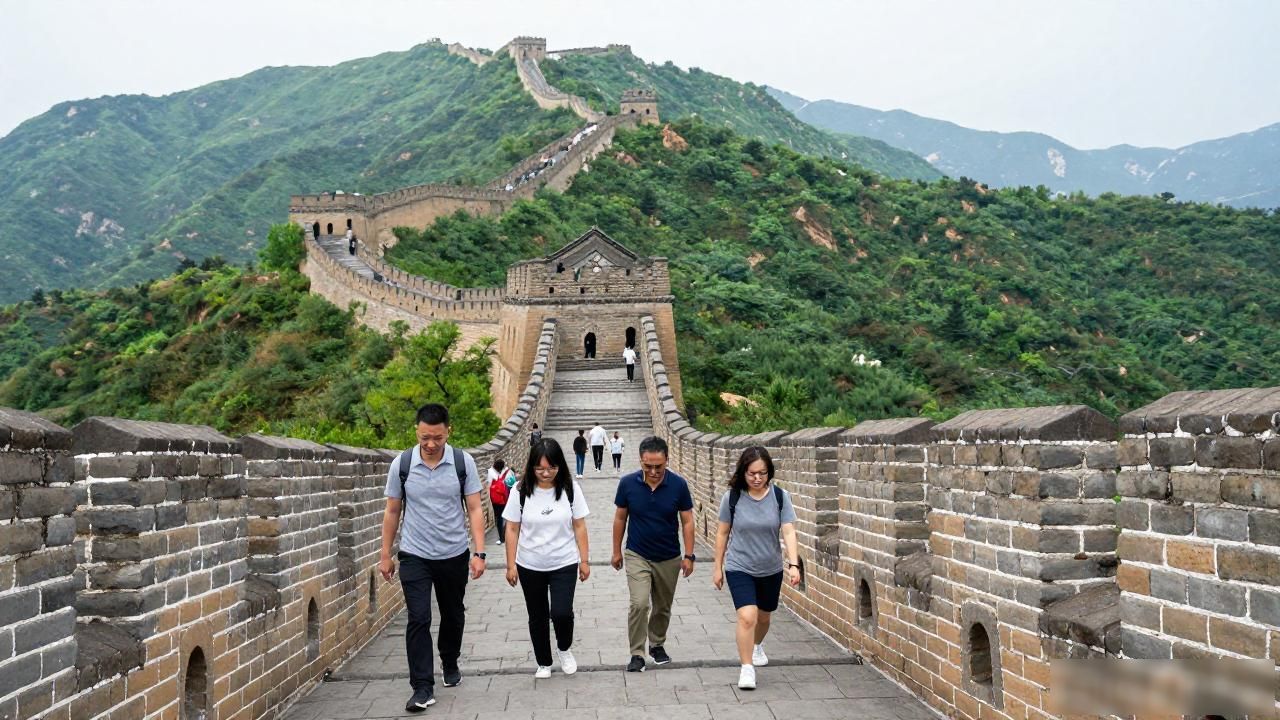
Hiking on the Great Wall ranges from a leisurely stroll to a serious mountain climb, depending entirely on which stretch you pick. Mutianyu stands out as a favorite among international travelers because its restored staircases balance accessibility with genuinely impressive scenery. The wall climbs steeply at times, but cable car and chairlift options make the route inclusive for families and casual walkers.
Jinshanling offers a longer hiking corridor spanning nearly five miles of varied terrain. The wall here alternates between wide,flat walkways and narrow ridgelines that cling to mountain peaks. Climbing from Jinshanling to Simatai, you pass watchtowers spaced unevenly along steep inclines. The journey takes four to six hours and demands solid stamina. Wild sections between restored stretches expose you to crumbling steps, uneven surfaces, and moments where a misstep could result in injury.
Gubeikou provides a quieter alternative for hikers seeking solitude. Unlike Mutianyu or Badaling, this area sees a fraction of the foot traffic. The walls remain largely unrestored, giving the site a haunting, atmospheric quality that draws photographers and history enthusiasts. The trade-off is clear: you gain solitude and authenticity, but you lose the safety nets of handrails, signage, and nearby facilities.
When Is the Best Time to Visit the Great Wall

Season dramatically affects your experience. Spring brings wildflowers and mild temperatures, but weekends draw domestic tourists eager for outdoor outings. Summer storms can make stone steps slippery and reduce visibility, sometimes closing sections without warning.
Autumn delivers crisp air and golden light filtering through red maple leaves. September and October represent the peak season, so expect larger crowds at popular sections. Winter transforms the Wall into a stark, almost alien landscape. Snow-covered ramparts and frozen watchtowers create scenes that appear in travel magazines worldwide. Cold temperatures test your gear and endurance, but the solitude makes up for the discomfort.
Summer holidays within China generate intense domestic travel surges. Midweek visits during peak months prove significantly quieter than weekend trips. Planning around school schedules and public holidays in both China and your home country helps avoid the heaviest congestion periods.