
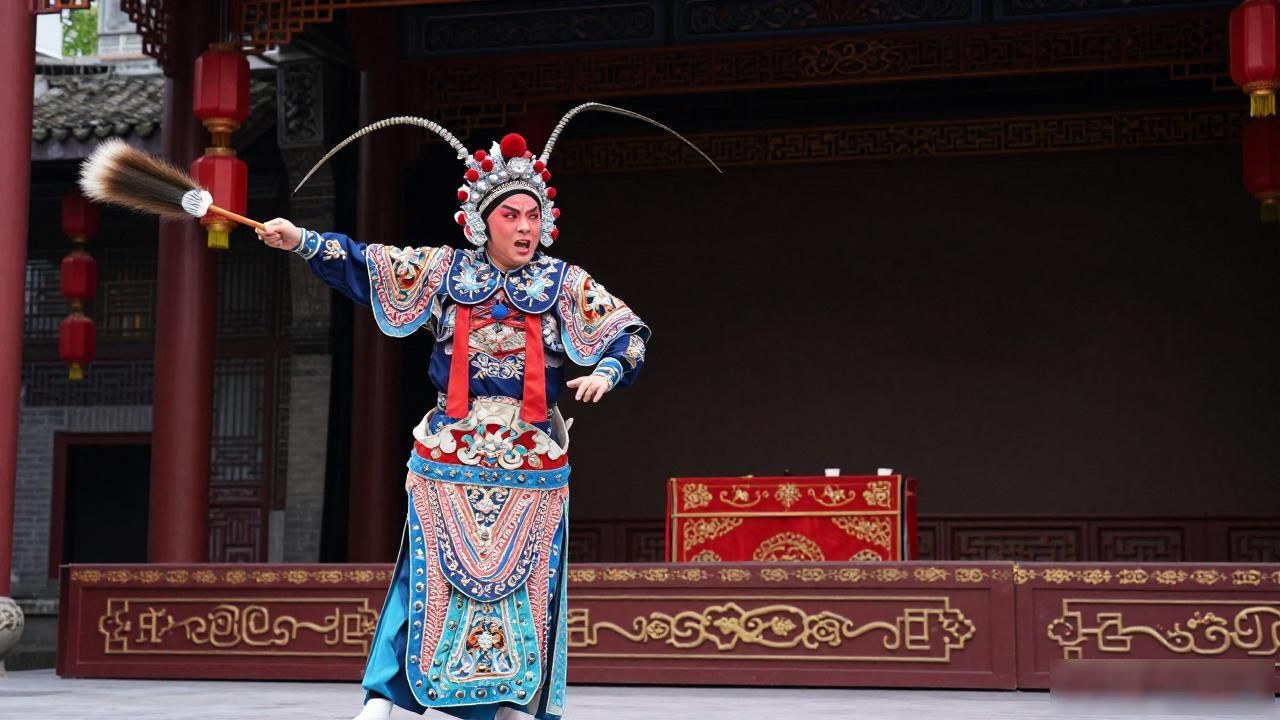
When you watch Sichuan Opera for the first time, the props take center stage more than the actors themselves. These aren’t simple accessories. They are living extensions of the performance, transforming a bare stage into mountains, rivers, and royal courts. The magic lies in how a single piece of fabric or a horsehair whisk can represent an army, a storm, or an entire kingdom. Understanding these props means understanding the soul of Sichuan Opera itself — a tradition built on imagination, craftsmanship, and bold theatricality.
Why Are Horsehair Whisks So Important in Sichuan Opera

The horsehair whisk, known as maoyi shu in Chinese, is perhaps the most iconic prop in this art form. It is not used as a mere decoration. Performers whip, spin, and flick it with such precision that it becomes an extension of their emotional expression. A flick to the left signals anger. A slow circular motion suggests sorrow. Master performers can make the whisk dance across the stage like a living creature, and audiences gasp at the display of skill.
These whisks are handcrafted from horsehair attached to wooden or bamboo handles. Each one takes weeks to make. The density of the hair determines how the whisk moves through the air. Too loose,and it falls flat. Too tight, and it loses its fluid grace. Some troupes pass down their whisks through generations, treating them almost like family heirlooms. When you see a performer brandish one during a climactic scene, you are witnessing both tradition and individual mastery in motion.
How Do Face Changing Props Relate to Sichuan Opera Magic
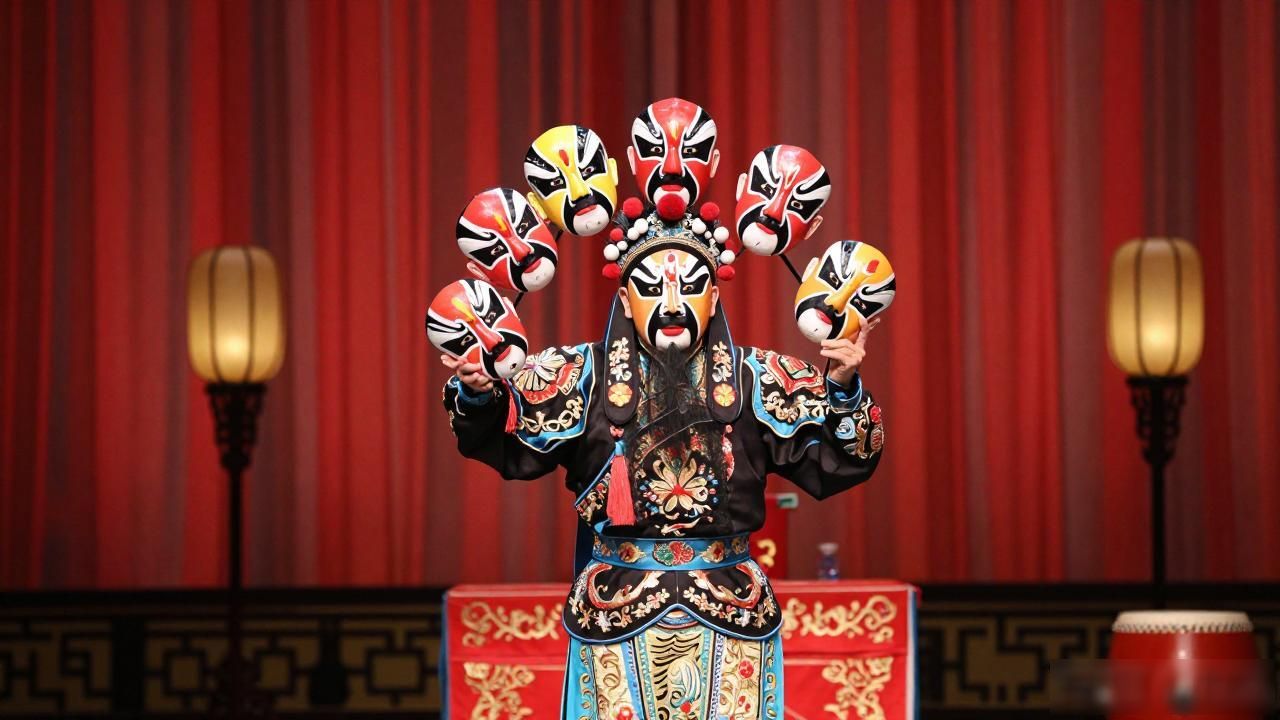
Face changing, or bian lian, is the most famous trick associated with Sichuan Opera. But few visitors realize that the masks and hidden costume layers are themselves elaborate props requiring immense technical skill. Traditional face changers use silk masks that can be flipped in under half a second. Advanced performers wear garments with multiple colored layers beneath their outer costumes, pulling threads to reveal new colors mid-performance.
These props are not mass-produced. Each mask is painted by hand with mineral pigments that must survive sweat and rapid movement. The fabrics underneath costumes are dyed in specific sequences that match the story’s emotional arc. A sudden red reveal signals betrayal. A flash of black indicates death or supernatural power. The props work silently behind the scenes, but their impact is immediate and visceral. Without these hidden mechanisms, the face-changing illusion would lose its thunderous effect.
What Everyday Objects Become Powerful Stage Props
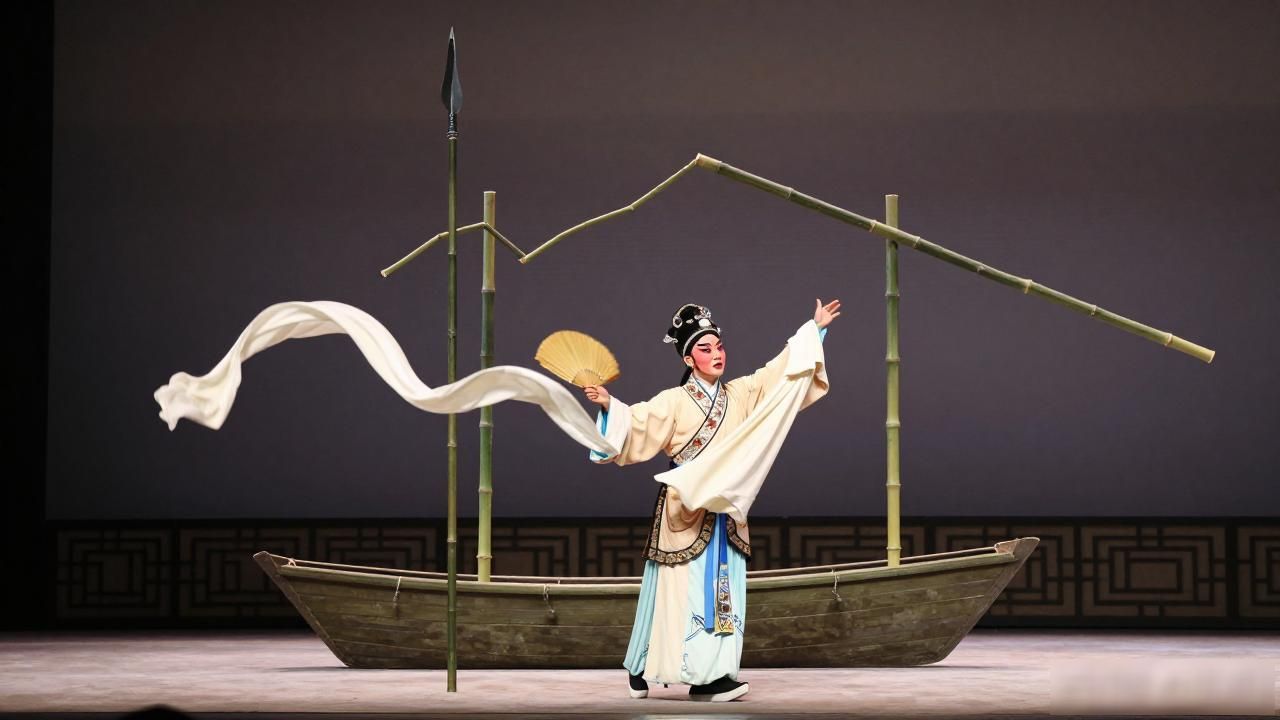
Beyond whisks and masks, Sichuan Opera transforms ordinary objects into theatrical gold. A long silk sleeve can become a river. A bamboo pole represents a spear, a boat, or a mountain path depending on how the actor carries it. Even fan movements follow coded systems that any trained performer understands. An open fan might mean joy. A snapped-shut fan signals finality or death.
This economy of props is deliberate. Traveling troupes in rural Sichuan could not carry heavy scenery. They built a visual language where five items on stage could suggest an entire world. The audience participates in this contract. You agree to imagine the dragon when the actor waves a tasselled flag. You accept the boat when two performers mimic rowing with coordinated steps. This shared imagination is what makes watching Sichuan Opera feel less like observation and more like collaboration between stage and audience.