
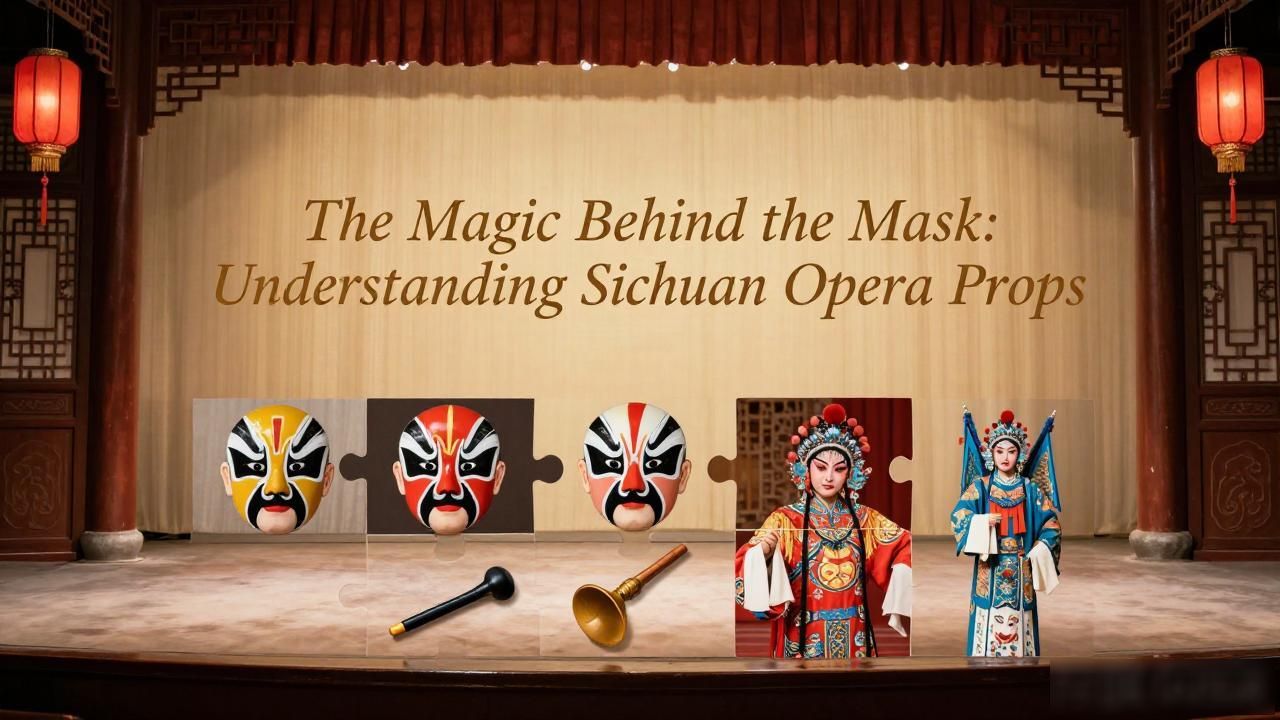
Sichuan Opera is not just about singing; it is a visual explosion of color, speed, and mystique. For many Westerners, the most captivating element is not the face-changing itself, but the objects that make it possible. These props are not mere accessories; they are extensions of the actor’s soul and tools of magical transformation. From flowing sleeves to spinning swords, every item serves a specific narrative function that bridges the gap between reality and fantasy.
What Are the Most Famous Sichuan Opera Props?

The white silk sleeves, known as Shuixiu, are perhaps the most iconic. They can extend several feet beyond the actor’s hands, allowing for expressive gestures that convey emotion without words. A flick of the wrist can signal anger, sorrow, or joy. These sleeves turn simple movements into poetic dance,making them essential for emotional storytelling in traditional performances.
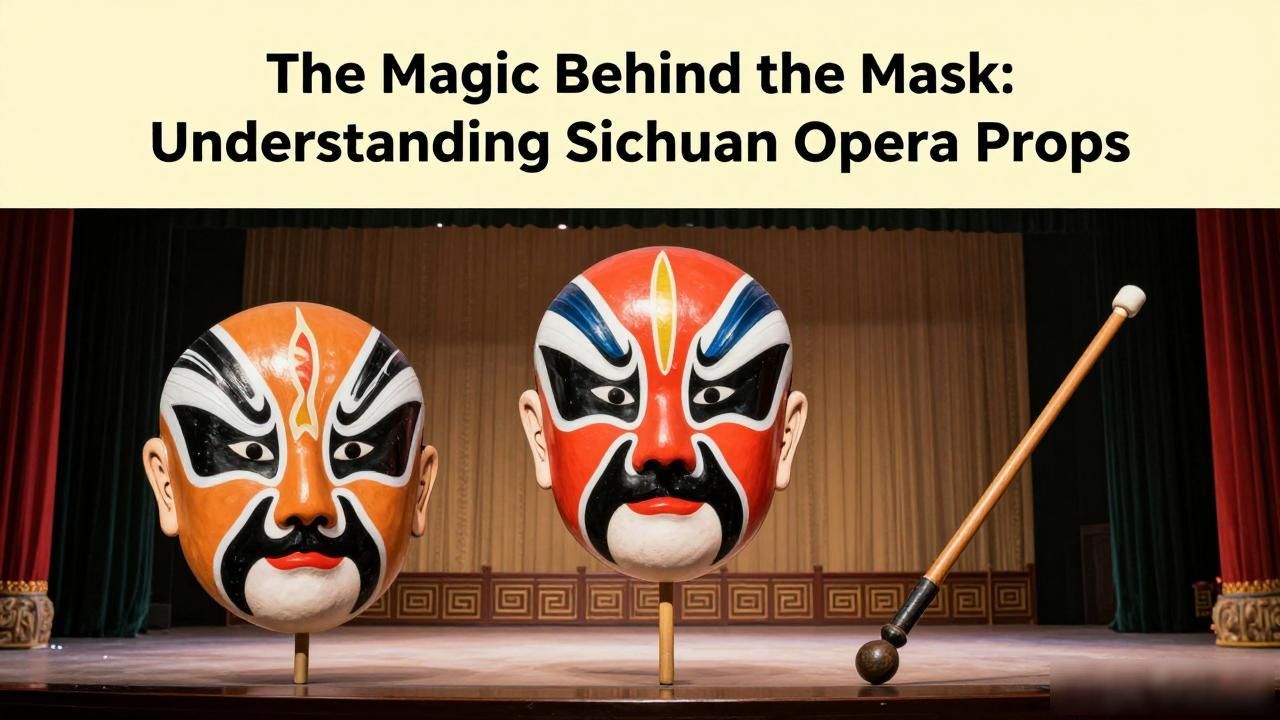
Face-changing masks, or Bian Lian, rely on intricate mechanisms hidden beneath elaborate headpieces. Actors use quick pulls, turns, and even breath control to swap masks in a split second. The props here are designed for speed and precision. Without these specialized heads and masks, the magic of instant transformation would be impossible to achieve on stage.
How Do Props Enhance the Storytelling?
Props in Sichuan Opera act as silent narrators. A butterfly net might represent innocence or entrapment, while a horse whip symbolizes riding without an actual horse. These symbols allow audiences to focus on the actor’s skill rather than realistic set designs. The simplicity of the props forces viewers to engage their imagination, creating a more immersive experience.
Fire-breathing and sword swallowing also depend on specially treated props. Safety is paramount, so these items are crafted with precise materials that allow for dramatic effects without danger. The audience sees fire and blades, but they trust the craftsmanship behind the scenes. This balance of danger and safety keeps spectators on the edge of their seats.
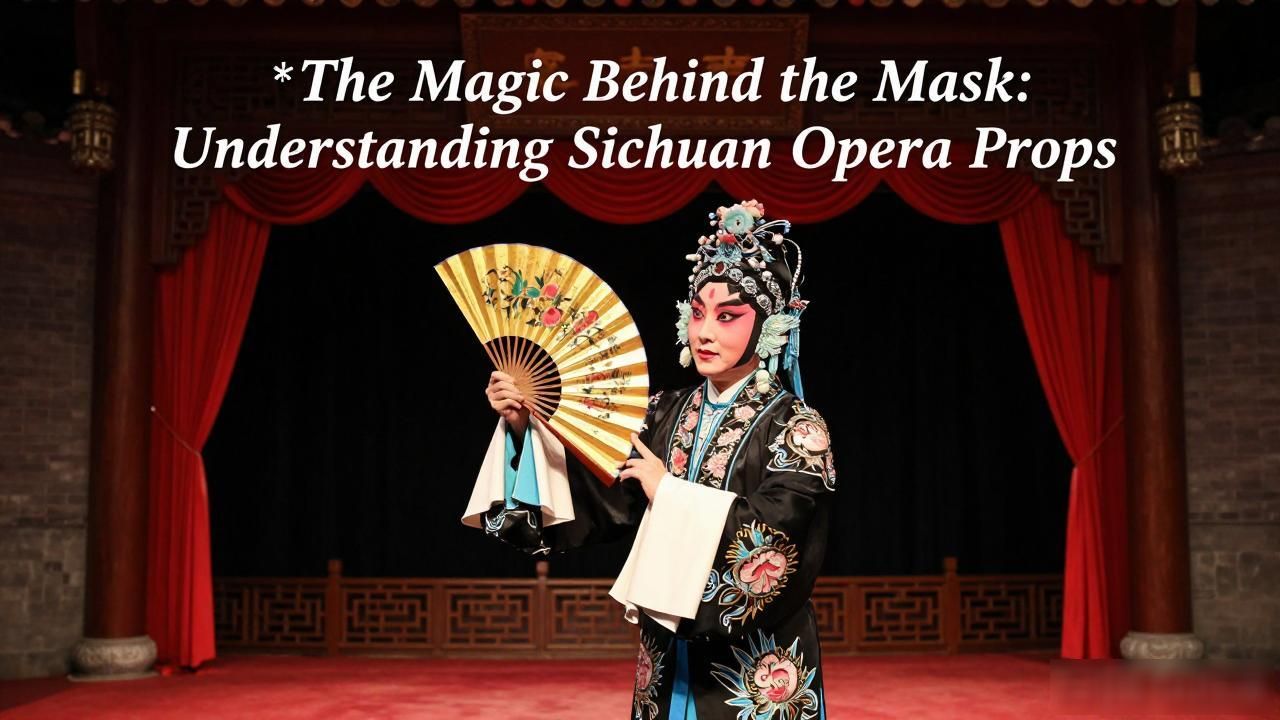
The interaction between actor and prop is a dialogue. When a performer spins a fan, it is not just decoration; it is part of the choreography that defines the character’s status and mood. Understanding these tools reveals the depth of the art form. It shows that Sichuan Opera is a highly disciplined craft where every object has been refined over centuries to maximize impact.
For those interested in Chinese culture, observing these props offers a unique window into historical aesthetics. They remind us that theater is not just about text, but about physical expression and symbolic language. The true magic lies in how ordinary objects become extraordinary through skill.