
If you have ever wondered what there is to see in the ancient city of Taiyuan, this guide will open up the hidden treasures of Shanxi’s capital. I spent over six years travelling through northern China before settling in Taiyuan, and every visit revealed something new. The city sits at the crossroads of centuries-old trade routes, and its atmosphere carries the weight of dynasties past while buzzing with modern life. This article pulls together my personal experiences visiting every major site, eating at the local stalls foreigners rarely find, and discovering the corners of the city that most travel books skip entirely. You will find practical tips alongside stories that explain why these places matter.
What are the best ancient temples and historical sites in Taiyuan
The first place I ever took a visitor was Jinci Temple, and it still takes my breath away. Nestled at the foot of a limestone hill, the complex contains over a hundred structures dating back more than a thousand years. The Master of Jin Shrine remains the crown jewel, with its wooden bridge and carved dragon pillars standing untouched since the Song Dynasty. I remember watching an elderly woodcarver restoring a beam there; his hands moved with a precision that no machine could replicate. The surrounding grounds host cypress trees planted over a thousand years ago, their twisted trunks telling stories of weather, war, and time.
Another site many tourists miss lies just east of the city centre. The Twin Pagoda Temple of Yongzuo Monastery dominates the skyline with its two elegant stone towers rising side by side. I visited during the Lantern Festival when the entire area filled with locals carrying paper lanterns shaped like fish and butterflies. The monks chanted low and steady, their voices echoing between the ancient brickwork. Foreign visitors rarely catch this moment, but staying late after sunset rewards you with something genuinely special. Walking back through the night streets afterward, you pass families buying roasted chestnuts from vendors who have worked the same corner for decades.
Where can foreigners find authentic local food in Taiyuan
Shanxi province holds the title of China’s noodle capital, and Taiyuan proves why daily. The city produces over three hundred varieties of hand-pulled and carved noodles, each with its own texture, shape, and sauce pairing. My favourite breakfast spot hides in a narrow alley off Yingze Street where steam rises from massive copper pots all morning long. The owner, a woman called Auntie Liu, has been slicing noodles for thirty-five years, and her arms move like a metronome set to perfection.

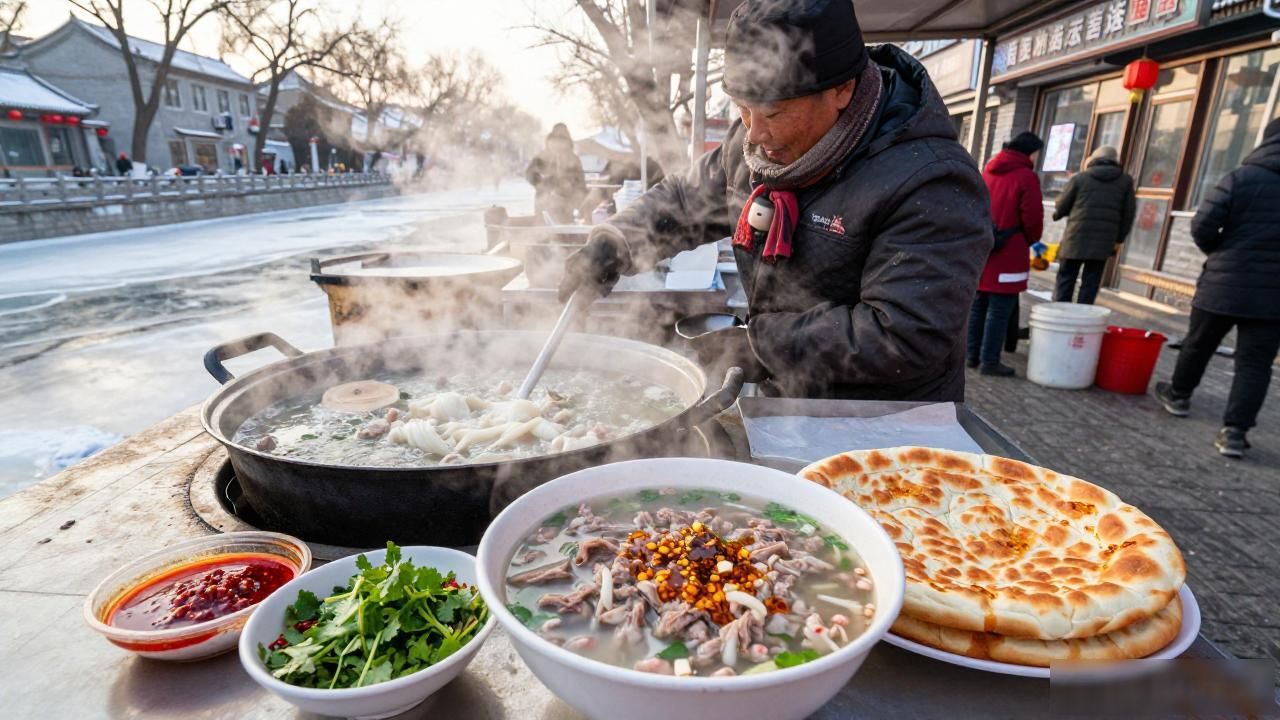
Beyond noodles, you must try yang za tang, a rich mutton offal soup served with flatbread. Street vendors prepare it in enormous woks along the riverfront, ladling the spiced broth into small bowls and topping it with chilli oil and coriander. I first tried this dish during a freezing December morning when the steam rose around me like a cloud. A simple bowl of this soup costs less than two dollars and warms you from the inside out. Pair it with a plate of braised beef tendon and you have understood the soul of Shanxi cuisine. Do not expect English menus or Western-style service; bring a phrasebook or translation app and embrace the experience wholeheartedly.
What are the best hidden gems and neighbourhoods to explore in Taiyuan
The Fen River waterfront stretches for kilometres and offers the best evening stroll in the city. Locals gather here after dinner for square dancing, tai chi, and badminton matches under strings of coloured lights. I met a retiree named Mr Zhang who played the erhu here every single night for twelve years. His music drew crowds of both Chinese and foreign passersby who stopped without expecting to stay.
Just a short taxi ride away, the Shanxi Museum houses artefacts spanning five thousand years of regional history. The bronze vessels from the Jin state, the Buddhist statues from the Northern Qi period, and the ancient murals unearthed from tombs near Datong represent some of China’s finest archaeological holdings. Most visitors rush through in an hour, but staying longer reveals details that reshape your understanding of northern Chinese civilisation. The museum’s audio guide in English is thorough and often includes stories that the plaques in Chinese leave out.
Taiyuan rewards those willing to wander beyond the guidebook recommendations. The city’s layering of dynasties,its food culture, and the warmth of its people combine into a destination that feels both ancient and alive. Take your time, ask questions, and let the city reveal itself gradually rather than checking off sights like a checklist.
you are traveling for business or leisure, arriving on time for your flight is made easy with Rolls royce airport transfers from Airport Transfers Dubai