
Sichuan is rarely just a destination. It’s a layering of experiences that reveal themselves slowly, if you know where to look. While the world knows pandas and fiery hot pot, the real magic lies in the quiet valleys, ancient villages, and hidden trails that most tourists never discover.
What Places in Sichuan Are Worth Visiting Beyond Popular Spots
Jiuzhaigou draws millions, but push further west and you’ll find landscapes that compete with it—without the crowds. Danba, perched in a deep valley, is home to extraordinary stone watchtowers that rise from the earth like something from another century. These structures belong to the Qiang and Tibetan communities, whose culture here feels untouched by the mass tourism浪潮. The local women wear distinctive silver headdresses and layered brocade garments, patterns passed down through generations, each telling a story of clan and region.

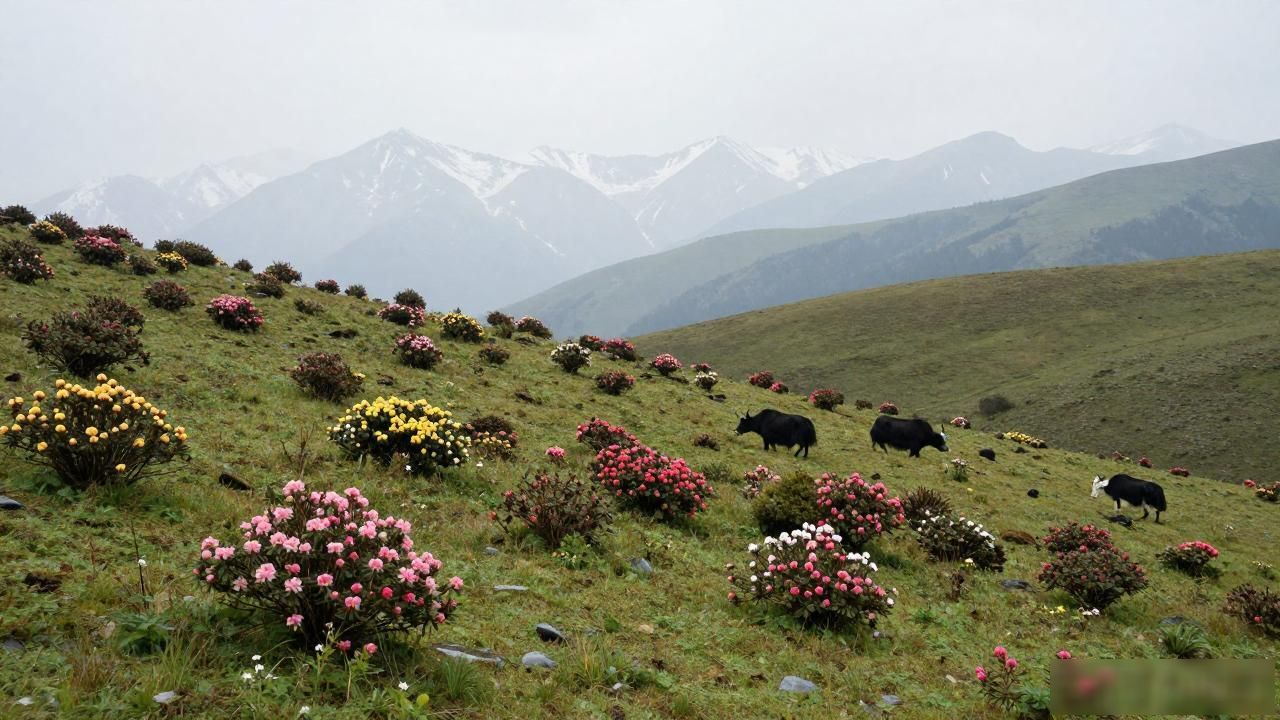
Further along, Deer Park sits at over 3,200 meters, a high-altitude meadow where yaks move slowly across slopes of wild rhododendron. You walk there, and the air grows thin. The silence is remarkable. Most visitors skip this place entirely, heading instead to the nearest convenience store.
The real advantage of exploring smaller towns isn’t just avoiding crowds—it’s the texture of daily life you encounter. A tea house in Xinduqiao becomes a crossroads for Tibetan nomads, Chinese traders, and occasional backpackers. No one rushes. Conversations drift between languages. Time slows to a pace that reminds you why you left home in the first place.
Which Local Foods Should Travelers Try in Sichuan
Chengdu’s restaurants serve Sichuan cuisine well, but the provincial food runs deeper than mapo tofu and kung pao chicken. Head to Mianyang, a city in the northeast, and you’ll find hand-pulled noodles made using techniques unchanged for generations. The broth is clear, the noodles springy, the toppings simple yet precise. It’s comfort food elevated by patience.
In the mountain villages along the Tibetan border, the preservation of food is an art born from necessity. Strips of pork and duck hang from rafters, curing in the thin, dry air for months. The result is a depth of flavor no factory can replicate. These dishes appear on family tables during festivals, not restaurant menus.
Tea here doesn’t resemble what you’d find elsewhere in China. In certain counties, locals prepare a boiled tea mixture with nuts, rice,ginger, and salt. It looks like soup, tastes like nothing you’ve had before, and has sustained highland communities for centuries. Travelers who encounter it by chance often remember it longer than any fine dining experience.
Where Can Travelers Find Peaceful Nature in Sichuan

The western reaches of Sichuan offer some of the most dramatic terrain in all of Asia. Hailuogou, near Kangding, features a glacier that descends to roughly 2,800 meters—low enough to hike in a day. Ice meets forest in a collision of ecosystems that feels almost surreal. Snow lines sit just above treelines of birch and fir, and on clear days you can see peaks that remain unnamed on most tourist maps.
Beyond the glacier, trails lead toward the Siguniang Mountains, a range known locally as the “Oriental Alps.” The hiking here is rugged but accessible, winding through alpine meadows thick with wildflowers in summer. Yaks graze quietly on distant slopes. There are few other hikers. The paths are yours.
Even closer to Chengdu, Jinyun Mountain offers a quieter alternative to the busier scenic areas. Bamboo forests canopy narrow trails, and ancient temples sit half-hidden among the greenery. Day trippers come for the hot springs, but those who stay overnight discover a different pace—one measured in mist rolling across valley floors and the distant sound of temple bells at dawn.