
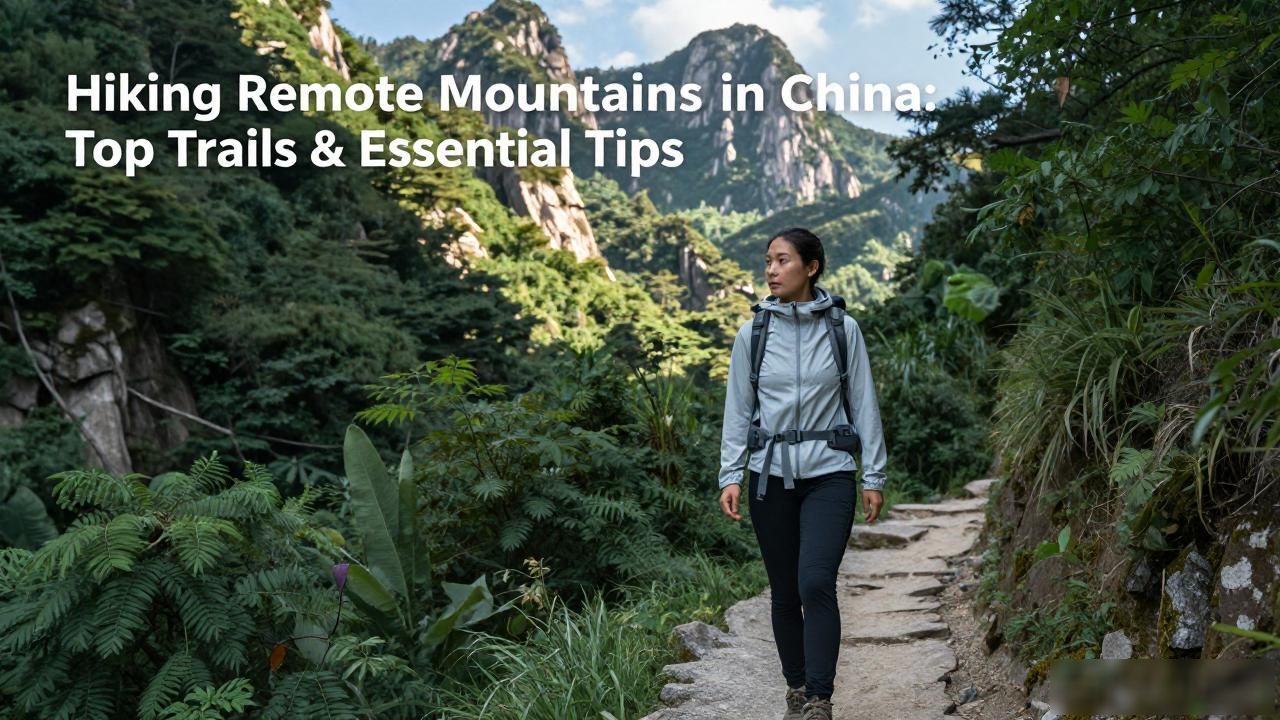
Hiking in remote China is unlike anything you will experience in Europe or North America. The landscapes are raw, the trails are barely marked, and the silence between peaks is so deep it feels like the world has paused. For travelers who have already summited the Alps or trekked the Dolomites, China’s wilderness offers a completely different rhythm. Mountains here do not ask for your fitness; they ask for your patience. What follows is a guide built for the curious hiker who wants to wander beyond the postcard views.
Best Remote Trails in China
The Yunnan-Guangxi border hides a series of limestone towers that rise straight out of mist. Hikers who brave the Guangnan trails report seeing monkeys, waterfalls, and villages where internet access means a walk uphill to catch signal. The terrain is sharp. The crowds are almost nonexistent. This is the kind of place where a morning starts without an alarm and ends when the sun dips below the ridge.

Sichuan’s Minya Konka region rewards those willing to trade comfort for altitude. Trails wind through rhododendron forests and cross glacial streams that run cold enough to steal your breath. Local Tibetans guide small groups, and the path itself is more prayer flag than pavement. Carry cash in small bills. Credit cards do not exist here, and tea houses accept nothing but yuan notes folded into worn corners.
Xinjiang’s Tien Shan range stretches like a spine across the sky. Trails lead past alpine meadows thick with wildflowers in June and through passes where the wind carries the smell of pine resin and distant snow. The remoteness is absolute. Mobile phones lose signal long before you reach the high camps, which means the hike becomes about looking up, not scrolling down.
What You Need Before You Go
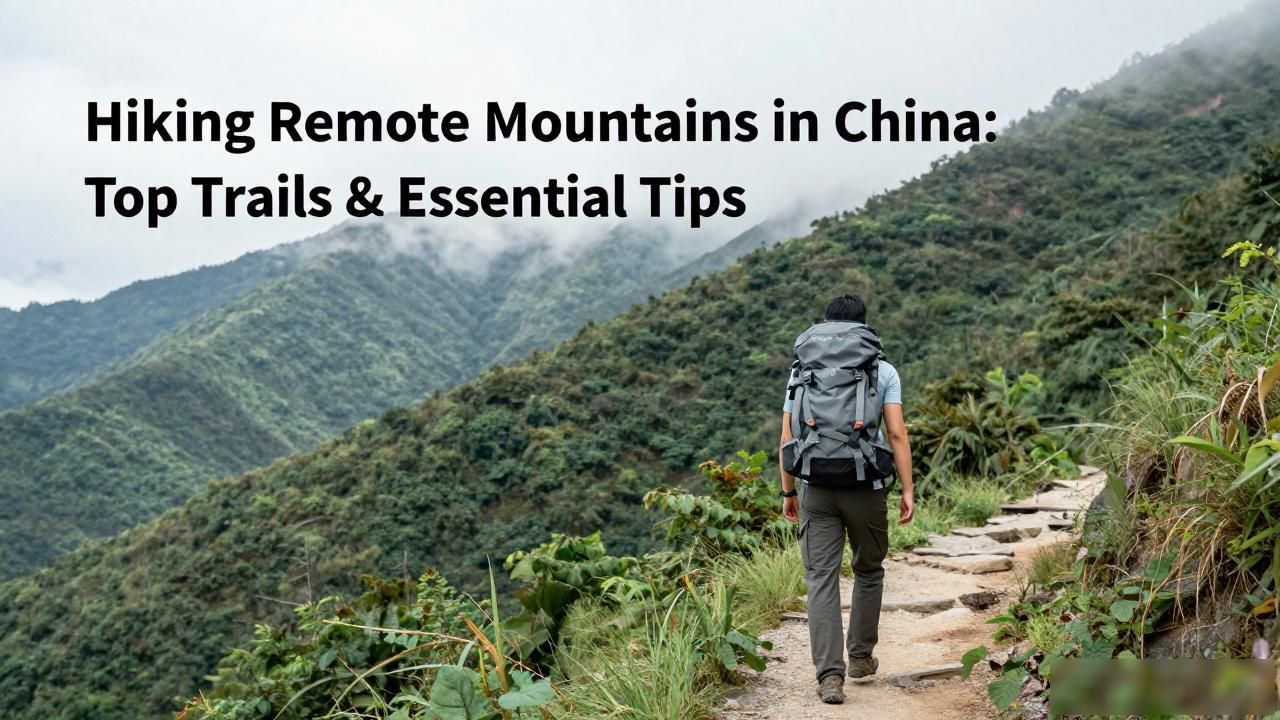
Remote China requires preparation that goes beyond packing a backpack. Permits are mandatory for border regions, and they are not optional. The Xinjiang and Yunnan permits arrive through local travel agencies, and the process takes at least a week. Start paperwork early. Border towns do not issue these on a whim, and a missed permit can shut down a route entirely.
Gear should be serious but not heavy. Rain protection is essential in June and July, and a lightweight stove saves time when trails offer no shops. Bring a power bank. Emergency phones are rare, and a dead battery near a high pass means missing a ride back to town. Water filtration tablets are smart; mountain streams look clean but often carry taint from livestock upstream.
Cultural sensitivity matters more than fitness. Many remote trails pass through Tibetan, Naxi, or Kazakh villages where the pace of life has never been rushed for tourists. A smile, a nod,and a question in broken Mandarin goes further than any guidebook. Locals are generous but reserved. They will share tea if you show respect, and they will ignore you if you do not.
The Best Seasons to Hike
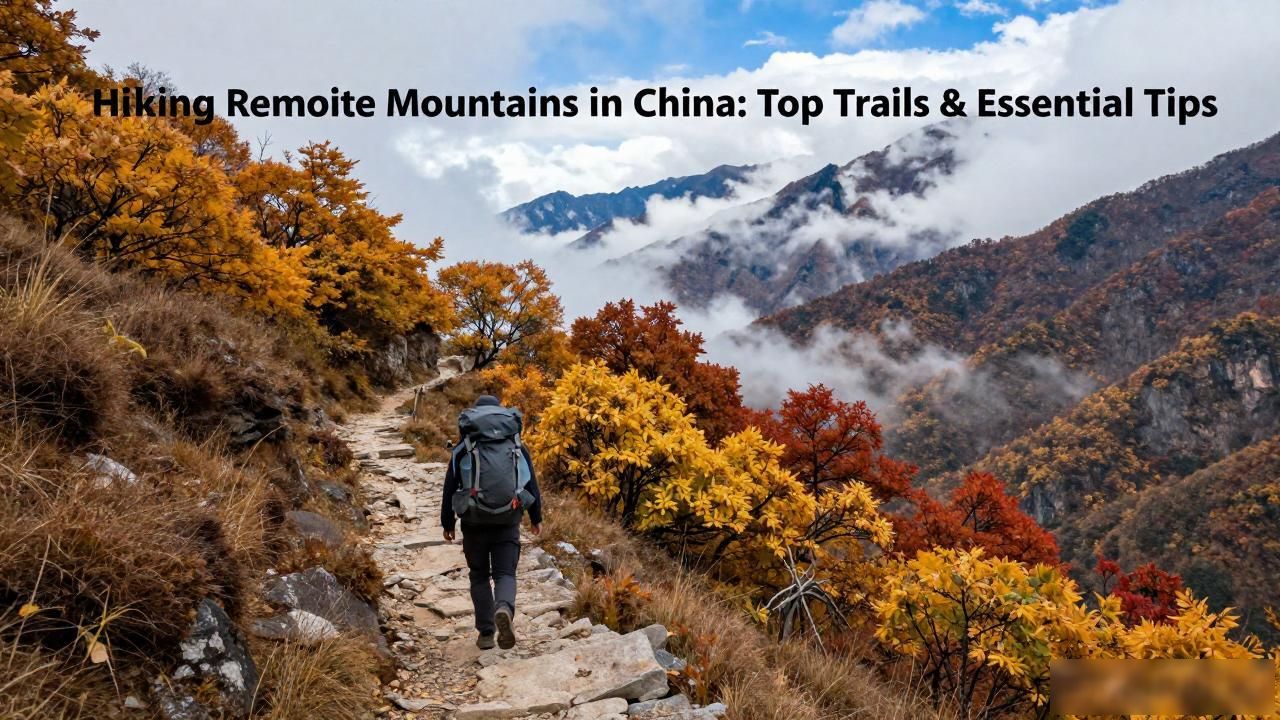
Spring in April and May offers mild temperatures and blooming valleys. Summer brings monsoon rain that turns trails into rivers and clouds low enough to swallow ridgelines. Autumn, especially September and October, delivers crisp air and golden larch forests that glow against gray stone. Winter is brutal in most ranges, though some high passes stay clear for experienced ice-hikers.
The window is narrow. A single storm can close a trail for days, and mountain roads wash out without warning. Plan with flexibility. Leave buffer days before your flight home, because weather delays are real and common. A canceled bus ride means waiting, not panic. The mountains will still be there tomorrow.