
If you’re planning a trip to China, one of the most exciting experiences waiting for you is the food. Chinese cuisine is not just about dumplings and sweet and sour pork like many people believe. It’s a vast, complex culinary world that varies dramatically from region to region. In this guide, I’ll share what I’ve learned about navigating Chinese restaurants as a foreign visitor, so you can enjoy every meal without confusion or anxiety.
What Chinese Food Should You Try as a First-Timer
Walking into any Chinese restaurant in China, you might feel overwhelmed by the sheer number of dishes on the menu. Most menus are entirely in Chinese characters, and many don’t even have pictures. But don’t let that stop you. The best strategy is to look at what other tables are eating. If you see a dish causing excitement or empty plates being returned to the kitchen, that’s your signal.

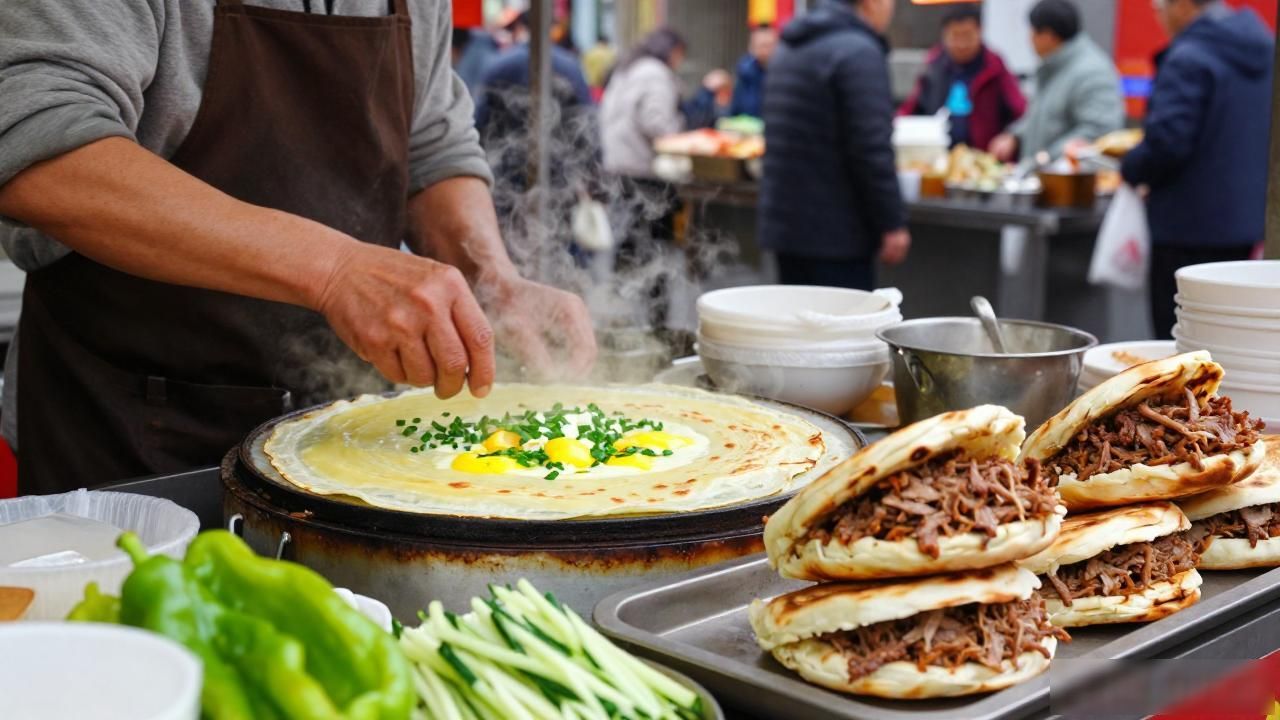
Street food is another excellent entry point. Start with simple, universally loved items like jianbing, which is a savory crepe filled with egg, crispy crackers, and sauce. It’s cheap,delicious, and found on almost every street corner. For something heartier, try roujiamo, often called the Chinese hamburger. These humble snacks introduced me to the incredible depth of Chinese flavor profiles long before I ever sat down at a fancy restaurant.
Another must-try for beginners is hot pot. It sounds intimidating, but it’s actually one of the most social and fun dining experiences you can have. You bring raw ingredients to the table and cook them yourself in a simmering pot of broth. The experience alone is memorable, and you’ll discover ingredients you never knew you loved.
How Do You Actually Order Food in China Without Getting Lost
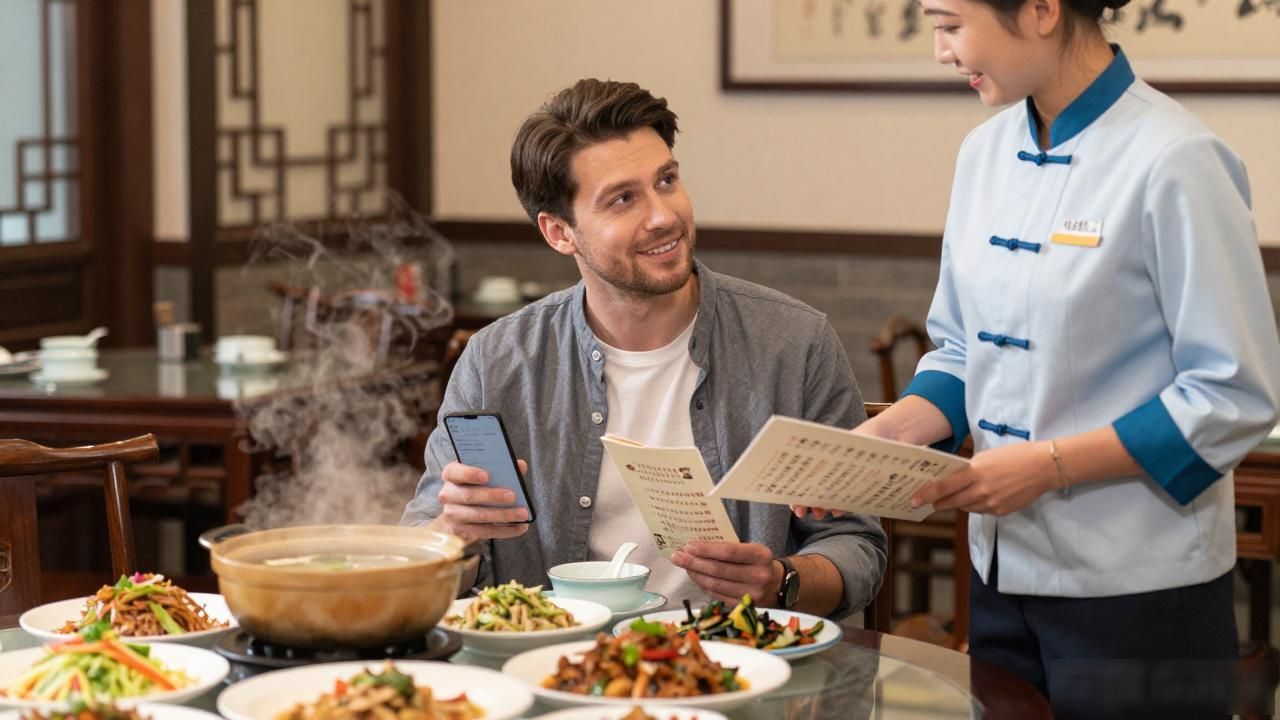
Ordering food in China can feel like a puzzle, especially when you don’t speak the language. One trick I discovered early on was downloading a translation app before the trip. Having a phrasebook of common food items saved me countless times. I learned to point and ask, “What do you recommend?” which usually resulted in the server bringing out three or four dishes from the kitchen. This method of ordering by recommendation worked better than any guesswork on my part ever could.
Regional menus are a game changer too. China is huge, and each region has its own signature style. Sichuan food is famously spicy, while Cantonese cuisine focuses on fresh, light flavors. If you’re visiting a specific city, seek out local specialties. In Chengdu, no meal is complete without mapo tofu or dan dan noodles. In Xi’an, you’ll find lamb baozi that will change how you think about dumplings forever.
For budget travelers, looking for xiaochifadian, or small eateries, is the way to go. These places serve authentic regional food at prices that international chains never match. You’ll find locals eating there, which is always a good sign. The food comes fast, the portions are generous, and the atmosphere feels genuine rather than staged for tourists.
What Etiquette Should You Know Before Eating Chinese Food
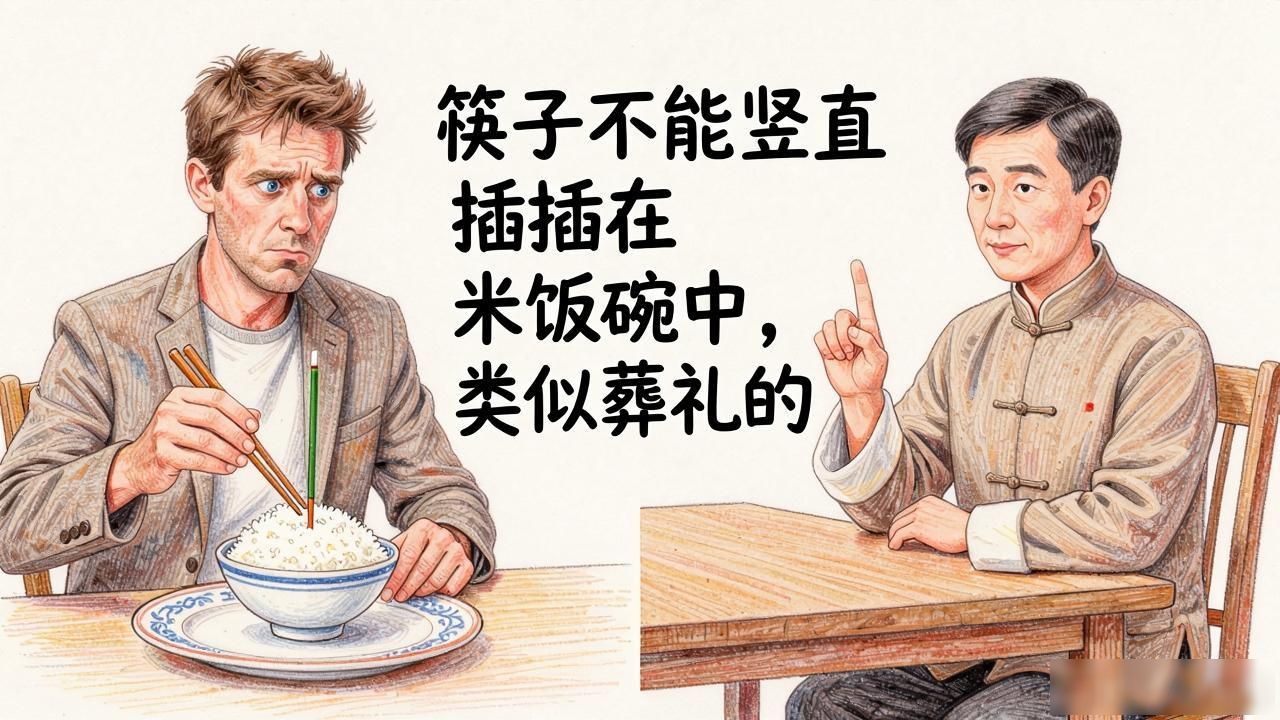
Table manners in China differ significantly from Western customs, and knowing a few basics will go a long way toward showing respect. One important detail is chopstick etiquette. Never stick your chopsticks upright in a bowl of rice. This gesture resembles incense burned at funerals and is considered deeply unlucky. Lay them across the top of your bowl or on the provided rest instead.
Sharing is central to Chinese dining culture. Unlike Western meals where everyone orders their own plate, Chinese meals typically feature multiple shared dishes placed in the center. Using serving chopsticks provided by the restaurant, take modest portions onto your own plate. Don’t dig through the shared platters with your personal utensils. This practice shows consideration for fellow diners and keeps the communal experience pleasant for everyone involved.
Tipping is not expected or customary in China. Leaving money on the table might actually confuse or embarrass your server. If you want to show appreciation, a sincere thank you goes much further than any cash ever would.