
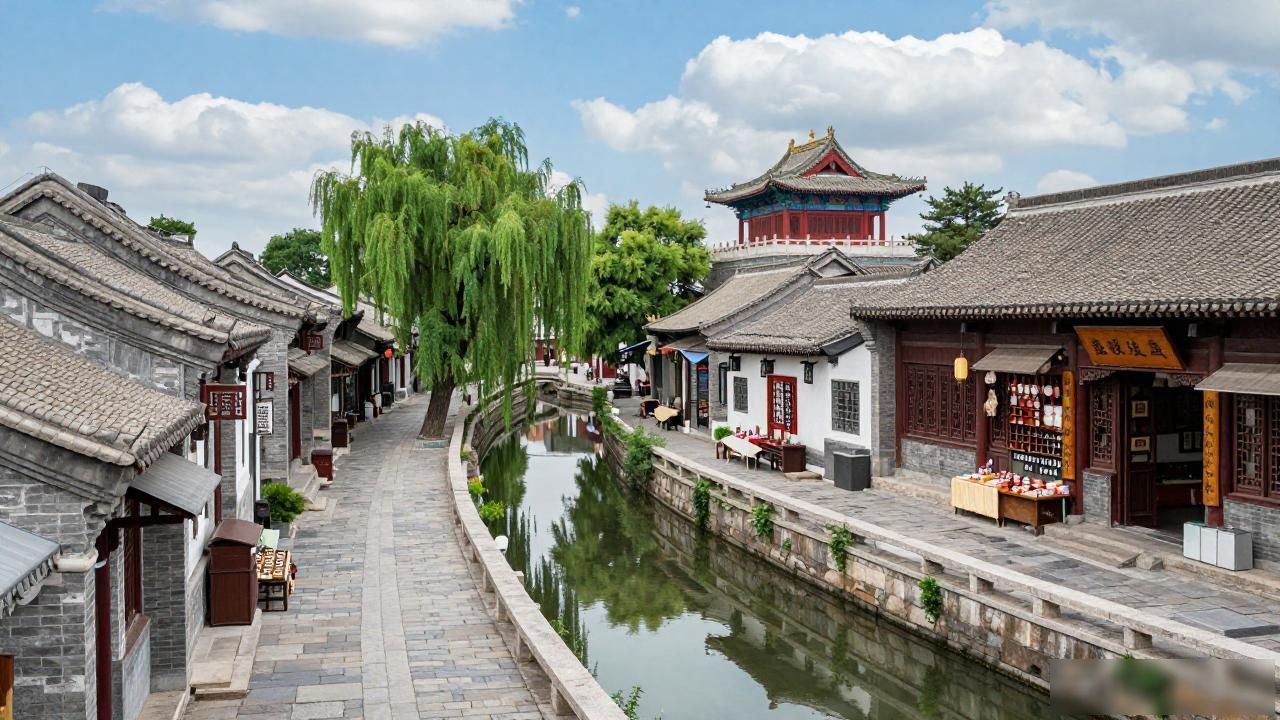
China‘s old town alleys — those narrow, winding lanes carved through centuries of history — offer something no modern city square can match. I’ve walked them from Hangzhou to Xi’an, from Suzhou’s water-town grids to Yunnan’s ancient trade routes, and each one tells a story that guidebooks rarely capture. If you’re planning a trip to China and want to experience the real pulse of its historic quarters, let me share what I’ve learned about these labyrinthine passages that connect temples to teahouses, merchants’ homes to fishermen’s docks.
What Makes China’s Old Alleys Worth Discovering

China’s oldest neighborhoods were built before cars, before wide boulevades, even before formal city planning in many regions. The alleys developed organically — following paths between homes, connecting to rivers and markets, curving around temples and ancestral halls. In places like Pingyao, Zhouzhuang, and the hutongs of Beijing, you’re walking on the same stones that silk merchants, scholars, and soldiers trod hundreds of years ago.
These lanes are not just pretty backdrops. They remain living neighborhoods where elderly residents still hang laundry across brick archways, where grandmothers sit on stools mending fishnets or sorting vegetables, where the smell of braised pork and scallion pancakes drifts from doorway kitchens. Walking here feels less like tourism and more like stepping into someone’s daily life.
Which Alley Districts Should You Prioritize
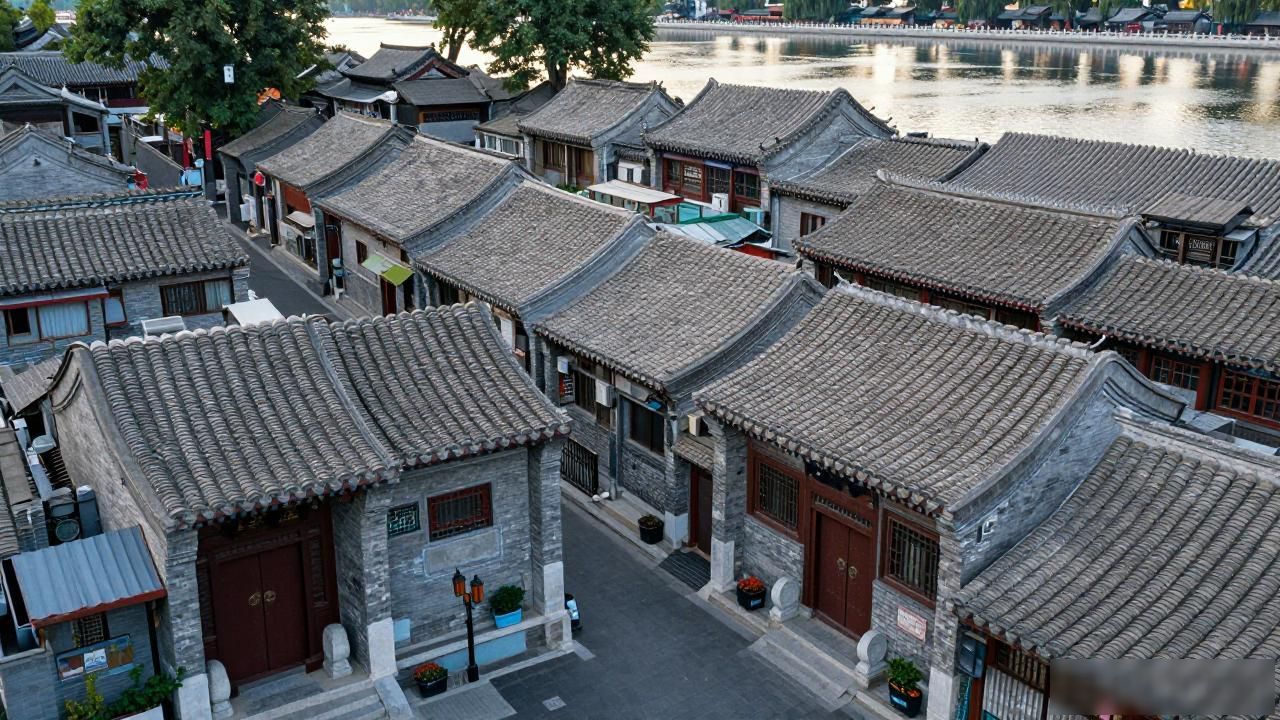
If you have limited time, focus on destinations where the old street networks survived modern development largely intact. Beijing’s hutong quarters around Shichahai and Nanluoguxiang still hold their grid-like charm, though some sections feel more curated than authentic. I’d recommend venturing further north toward Yandai Xiejie or east toward Dongsi to find neighborhoods where life moves at the same unhurried pace it did a century ago.
In southern China, Suzhou and Hangzhou offer water-town alleys that wind between canals and silk-weaving families’ old courtyards. The labyrinth around Pingjiang Road in Suzhou rewards patient exploration — you’ll stumble upon hidden gardens, century-old tea houses, and streets so narrow you’ll brush against whitewashed walls. These lanes connect directly to the Grand Canal system, and on clear mornings you can watch locals washing rice in the water itself.
Travel Tips That Actually Help in the Alleys
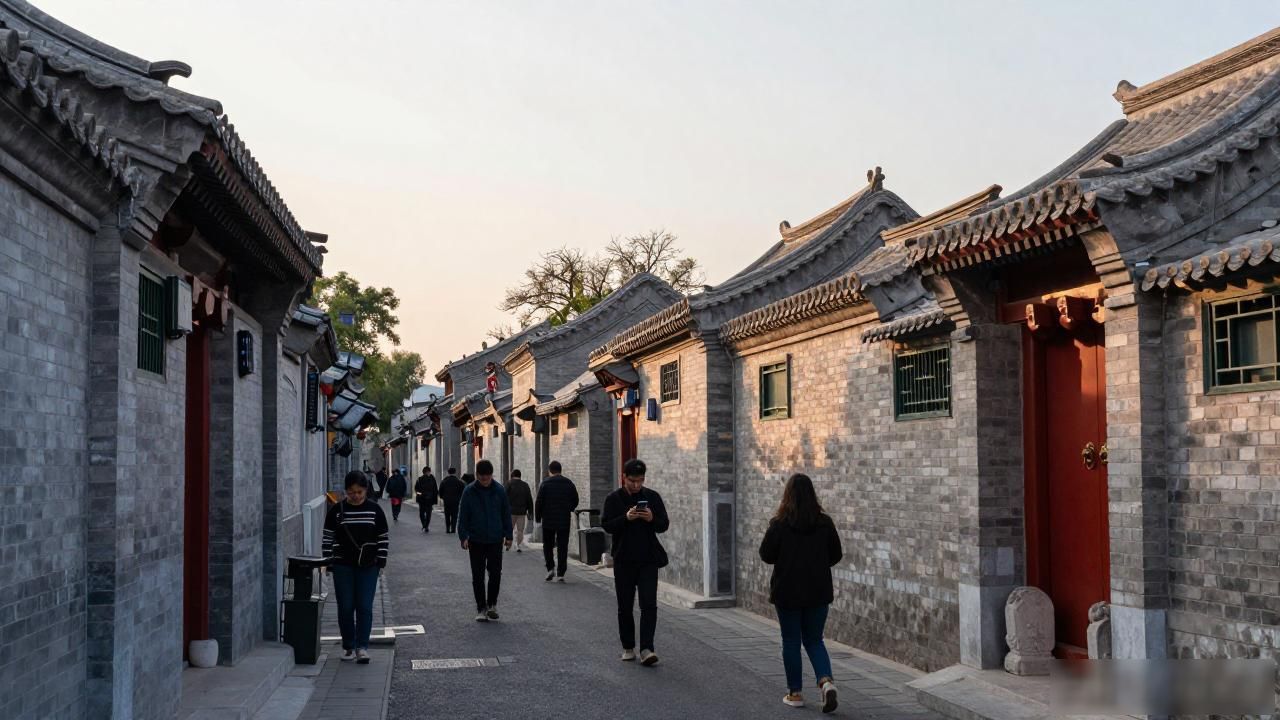
The best time to explore is early morning,before tour groups arrive. Most alleys open into main streets at random intervals, so don’t expect a logical map — bring patience and a willingness to get turned around. Translation apps help less than you’d think in these narrow corridors where phone signal drops between high walls. Learn a few essential Chinese phrases: “nali” (where), “duoshao qian” (how much), “hao chi” (delicious). The elderly shopkeepers will light up at any attempt.
Watch your step. Many older alleys have uneven stone surfaces, exposed drains, and overhanging wires that frame the sky in geometric patterns. Dress modestly if you’re entering residential sections — you’re in people’s homes, not a museum. And always ask before photographing residents; a smile and a gentle gesture goes further than any app translation.