
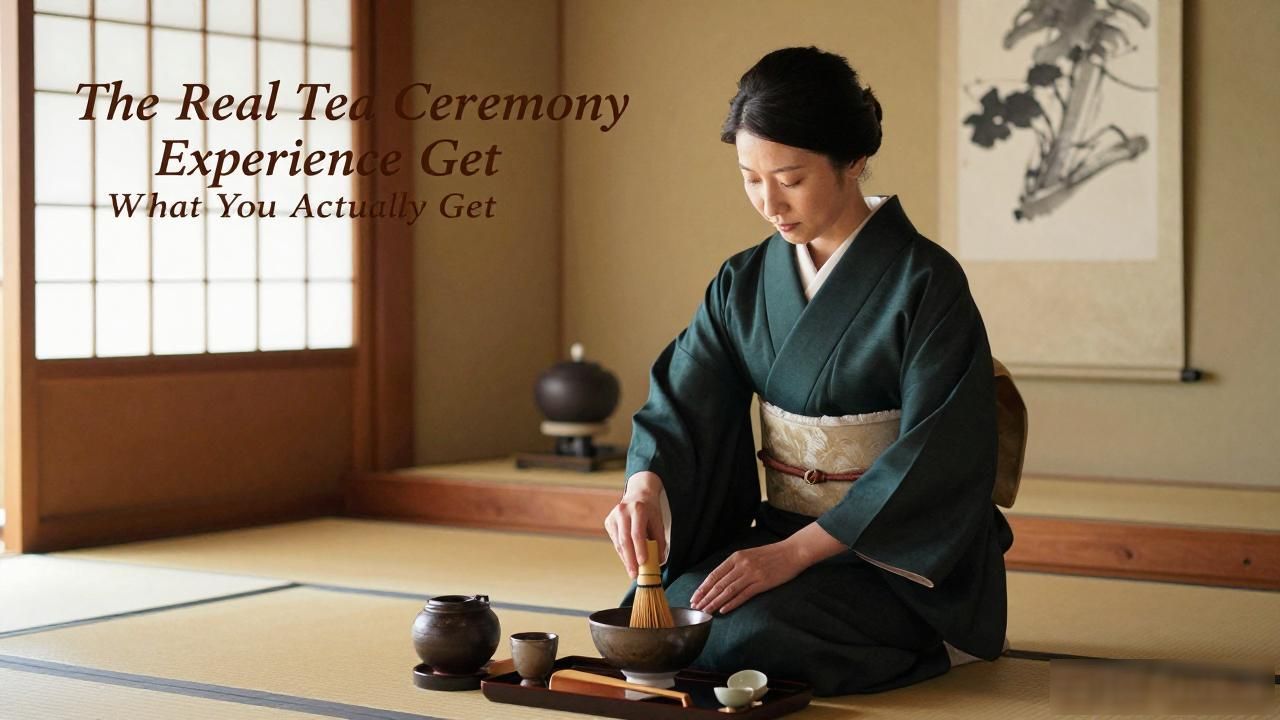
Tea ceremony experience what is it really about
When you book a tea ceremony experience, most people imagine a stiff, silent ritual behind glass barriers. The truth is far warmer and more human than that. The ceremony is less about perfection and more about presence. You sit on tatami, breathe in the smell of matcha and incense, and suddenly the noise of the world drops away. I attended my first ceremony in a small tea house in Uji and realized something important: this isn’t performance art. It is hospitality at its most refined.
The host prepares matcha in front of you. Every movement has been practiced for decades, sometimes centuries. Yet there is no pressure to pretend you understand everything. You simply receive the bowl, rotate it gently, sip, and say thank you. That exchange carries more meaning than any guided tour audio ever could.

What makes this experience genuinely special is how accessible it has become. You no longer need to travel to Kyoto to participate. Major cities across Europe, North America, and Southeast Asia now offer tea ceremony workshops led by certified practitioners. The barriers have crumbled, and the spirit of the ceremony remains untouched.
How to find a real tea ceremony experience nearby
Let me be straightforward: not all tea ceremonies labeled for tourists are worth your time. Many are rushed, superficial, and designed purely for Instagram photos. The difference between a hollow experience and a meaningful one usually comes down to three factors.
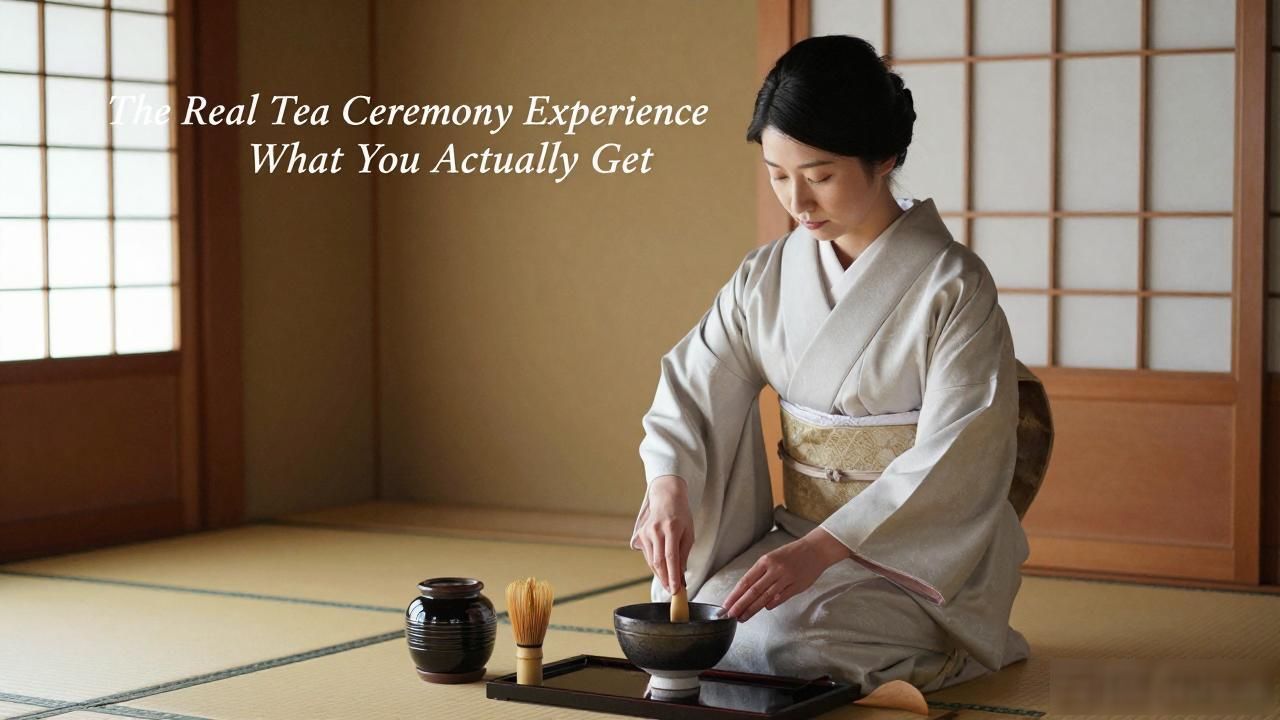
First, check the credentials of the instructor. Are they trained under a recognized school? Do they speak about the philosophy behind the practice,not just the steps? Second, look for smaller groups. A ceremony with six or fewer participants feels intimate. One with forty people in matching kimono feels like a factory line. Third, read reviews from actual participants, not travel sites that pay for placement. People will tell you whether they felt welcomed and whether the tea actually tasted good.
I once attended what I thought was a premium experience in London and spent most of the session watching a performer pour water with zero interaction. A proper tea ceremony invites you into the moment rather than keeping you at arm’s length. When you find the right host, something clicks. You stop being a tourist and become a guest.
What to expect during your first tea ceremony
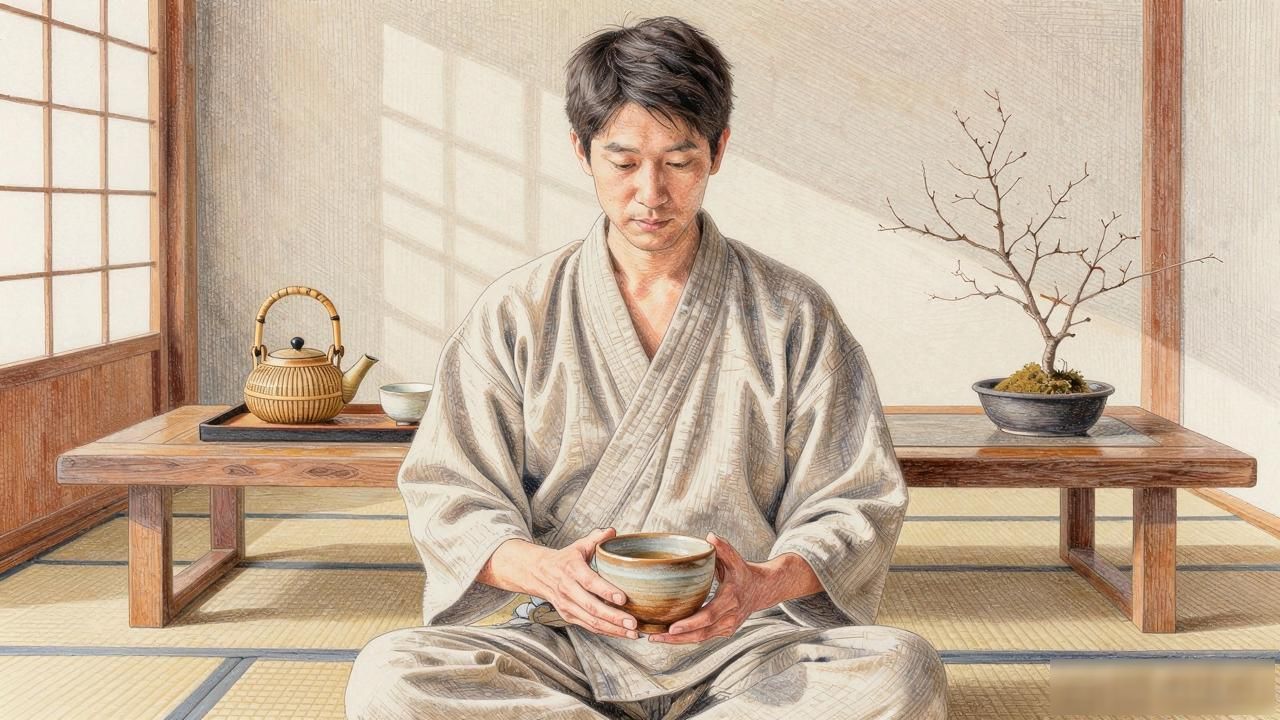
Arrive ten minutes early. Wear comfortable clothes without strong perfumes. Leave your expectations at the door and show up with curiosity instead. You will be shown how to sit, how to hold the bowl, and the quiet etiquette that surrounds the entire process. This takes only a few minutes. What follows is perhaps fifteen minutes of pure attention to detail.
The tea itself may taste bitter at first. Matcha is not sweetened and it is not meant to be. The bitterness is supposed to linger. It creates a moment of pause, a space where your mind stops racing and simply exists in the room. Most people describe this feeling afterward as surprisingly refreshing, almost meditative.
After the tea, you might receive a small wagashi sweet. The slight sweetness balances the matcha and gives you something to savor before the final bow. There is no script to memorize, no test to pass. You went, you sat, you drank, you left. But you carry something with you that you cannot easily name.